Ownership · The Stable
How to Ride a Motorcycle in Florida Heat and Summer Storms Without Hating It
The season here is twelve months long. Four of them are a test, and almost all of the failures are preventable with gear choices and a watch.
By The Outpost CrewUpdated 7 min read
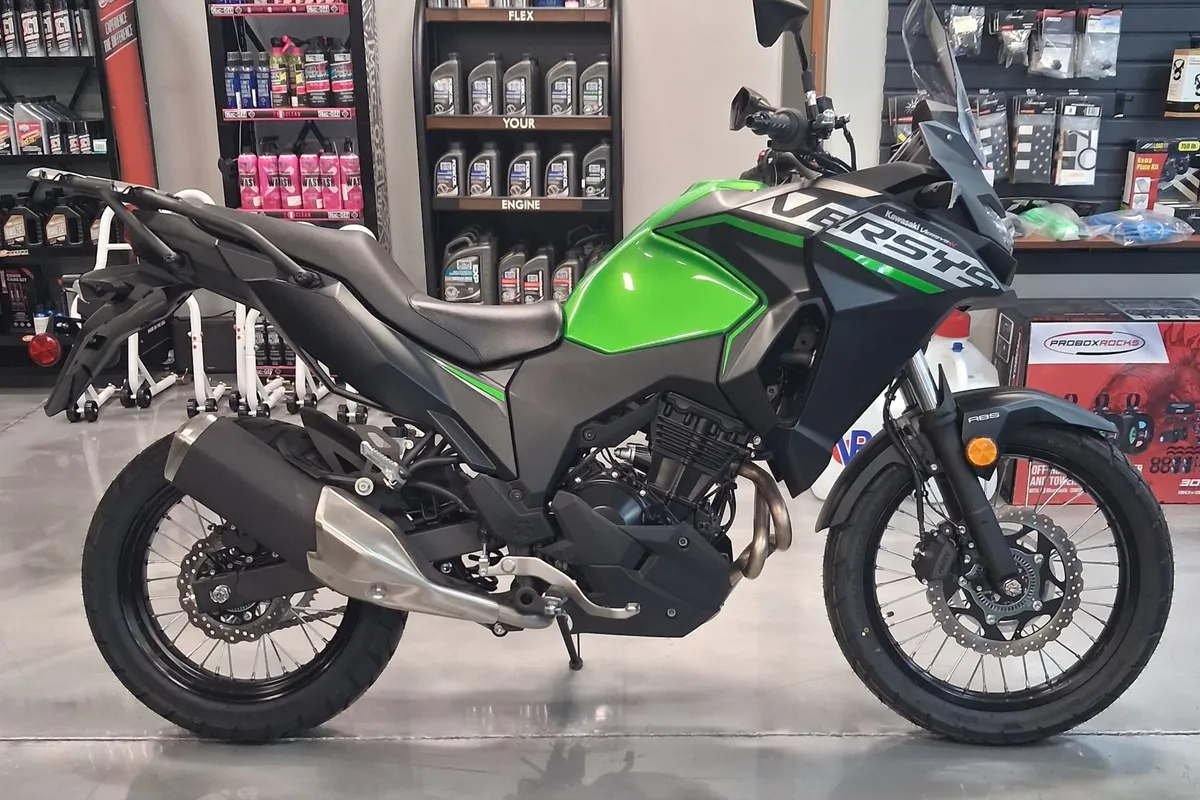
Riding through a Southwest Florida summer comes down to three habits: wear full mesh over a wicking base layer, drink before you are thirsty, and treat thunder as a hard stop rather than a suggestion. Do those and June through September is a season. Skip them and it is an ordeal that ends with you selling the bike.
The good news is the trade. There is no winter here. The four difficult months buy you eight easy ones, and January riding in Bonita Springs is the reason half the people at the dealership moved here in the first place.
The pattern you are riding in
From roughly June through September, the sea breeze pushes inland during the day and puts up a thunderstorm somewhere between the coast and Immokalee most afternoons. It is heavy, it is localized, and it usually does not last long. Mornings are clear, humid, and hot; late afternoons are a gamble.
Hurricane season runs June 1 to November 30, with the statistical peak in September according to NOAA’s National Hurricane Center climatology. That is a planning fact more than a riding fact, but it is the reason nobody here schedules a long September ride without checking a forecast first.
November through April is the payoff: low humidity, cool mornings, and almost no storm risk. The rides worth doing in that window are all in the best motorcycle rides in Southwest Florida.
Gear: mesh beats bare skin, and it is not close
The single most common mistake here is riding in a T-shirt because a jacket sounds hot. At 45 mph in mesh, moving air evaporates sweat off you continuously. On bare skin, that same air is a hair dryer set to 95 degrees, and you are also getting a sunburn through it.
What works:
- Full mesh jacket and pants. Not a summer-weight textile — actual mesh, the kind you can see through. Armor at shoulders, elbows, back, hips, and knees.
- A wicking base layer underneath. Counterintuitive, effective. A thin synthetic or merino layer moves sweat to the outside where the airflow can take it, and it stops the jacket lining from sticking to you.
- Ventilated gloves. Bare hands on a hot bike is how people end up with a grip they cannot hold and a burn from a hot tank.
- A helmet with real vents, and light colors everywhere. A black helmet in a Publix parking lot in July is a genuinely unpleasant object.
- Boots, still. The temptation to ride in sneakers peaks in August. Ankles do not care what month it is.
At a stop, the whole system stops working. That is why the strategy in this state is to keep moving — plan routes with fewer signals, and time the ride so you are not sitting at the US-41 lights at 3 p.m.
Water: get ahead of it, because you will not notice
Dehydration in this climate arrives before the symptoms do. Drink on a schedule rather than on thirst, and start before you leave. A hydration bladder in a small backpack is the setup that actually gets used, because a bottle in a tail bag requires stopping and you will not stop.
The riding-specific version: confusion and poor decision-making are heat symptoms, and they arrive on a motorcycle before you have any reason to suspect them. If you find yourself taking a corner badly that you have taken a hundred times, that is data. Pull into air conditioning.
Lightning is the part that is not negotiable
Everything else on this page is about comfort. This one is not.
The National Weather Service reports that lightning “strikes the United States about 25 million times a year” and kills “about 20 people in the United States each year.” Florida gets a disproportionate share of that activity, and a motorcycle offers exactly none of the protection that a car does.
Practically, that means a gas station convenience store, a restaurant, or a parking garage — not the canopy over the pumps, and not under a tree. It also means the long empty stretches are the ones to plan around: east of Naples, the Trail offers no real shelter for a very long way, which is why the local summer habit is a morning ride with an early turnaround.
Riding in rain you could not avoid
If you are caught out, the storm is usually brief and the technique is boring, which is the point.
Smooth everything. Throttle, brakes, steering. Traction is a budget and abrupt inputs spend it all at once. Standard rider training puts the same emphasis on progressive braking in the wet for exactly this reason.
Widen the gap. Following distance is the cheapest safety equipment you own and it costs nothing to double it.
The first minutes are the worst. Oil and rubber that have been baking into the asphalt lift when the rain starts, and the surface is at its slickest before the water has flushed it. If you can wait fifteen minutes before setting off, do.
Avoid standing water and painted lines. Florida’s flat drainage means water pools on shoulders, at intersections, and in the low spot before a bridge approach. Painted lines, metal expansion joints, and manhole covers are all more slippery than the asphalt around them.
Turn the rider aids on and leave them on. ABS and traction control are worth more in twenty minutes of Florida rain than in a year of dry riding.
Engine heat and the clutch hand
Every motorcycle gets hot in stop-and-go traffic and no accessory fixes it. What you can change is how much time you spend stationary and how hard your left hand is working while you do.
Route selection does most of the work: fewer signals, fewer left-turn queues, and an earlier departure. Beyond that, an automated clutch is a real answer for a genuinely traffic-heavy commute. Honda’s E-Clutch works an ordinary clutch with motors so you never touch the lever in traffic, and DCT removes the shifting as well. Both are on the floor, and both change what a 4 p.m. crawl on US-41 feels like — the mechanics of it are in Honda E-Clutch explained.
Eye protection, helmets, and keeping the gear from turning on you
Two summer-specific gear notes. Sweat and humidity will turn a helmet liner sour faster here than anywhere else you have lived, so pull it, wash it, and dry it completely rather than letting it live damp. And a fogged visor is a Florida problem in both seasons — an anti-fog insert or treatment is worth more than an expensive helmet without one.
Sunscreen on the back of the neck, the ears, and the strip of wrist between glove and cuff. Those three spots account for most of the sun damage riders here collect, and all three are covered by a habit rather than a purchase.
When to call the service department
Some heat and rain symptoms are the machine rather than you.
- The cooling fan runs constantly or the temperature gauge climbs at idle. Coolant level, a clogged radiator, or a failing fan — worth checking before August, not during.
- The bike gets harder to start after sitting through a wet week. Moisture in the electrics and a battery that is quietly on its way out.
- Brakes feel different after a soaked ride. Water and grit in the caliper is normal; a lever that stays soft is not.
- Chain or drive noise after a summer of storms. Rain washes lubricant off faster than the manual’s mileage intervals assume.
- Tread depth. If you are looking at your tires wondering whether they will do another wet season, they will not.
Bring it in before the ride you were planning, not after the one that went wrong. The dealership is at 28470 S Tamiami Trail in Bonita Springs, and the rest of the street coverage lives in The Stable.
28470 S Tamiami Trail, Bonita Springs — (239) 799-2229.
Quick answers
- What should I wear to ride a motorcycle in Florida heat?
- Full mesh — jacket, pants, gloves, and a well-vented helmet — over a moisture-wicking base layer. Mesh at speed is cooler than a T-shirt because the airflow evaporates sweat instead of baking skin. Light colors help. Nothing about this is optional at 95 degrees.
- How long should you wait after lightning to ride again?
- Thirty minutes. The National Weather Service is specific: "Wait 30 minutes after the last rumble of thunder before resuming" outdoor activity. A motorcycle is not shelter, and neither is a gas-station canopy or a picnic pavilion.
- Is it safe to ride a motorcycle in Florida rain?
- Rain itself is manageable with tread, ABS, and smooth inputs. The parts that are not manageable are lightning and standing water. Most Southwest Florida summer storms are heavy and brief, so waiting one out under a real roof is usually a 40-minute problem rather than a ruined day.
- How do you deal with engine heat on a motorcycle in traffic?
- Change the ride, not the bike. Go early, pick routes with fewer signals, and stop moving as little as possible. If your commute is unavoidably stop-and-go, an automated clutch — Honda E-Clutch or DCT — removes the clutch-hand fatigue that makes the heat worse.
- When is the best time of day to ride in a Florida summer?
- Before 10 a.m. Temperatures are lowest, the storms have not built yet, and traffic on US-41 has not thickened. Evening rides work too, but the pavement is still radiating heat it absorbed all afternoon and the storm risk is less predictable.