Florida Rules · The Boathouse
Manatee Zones and No-Wake Rules in Southwest Florida: What PWC Riders Need to Know
Two phrases do most of the work on Southwest Florida water. Learn what they mean, learn where they start, and the rest of the ride gets a lot less nervous.
By The Outpost CrewUpdated 6 min read
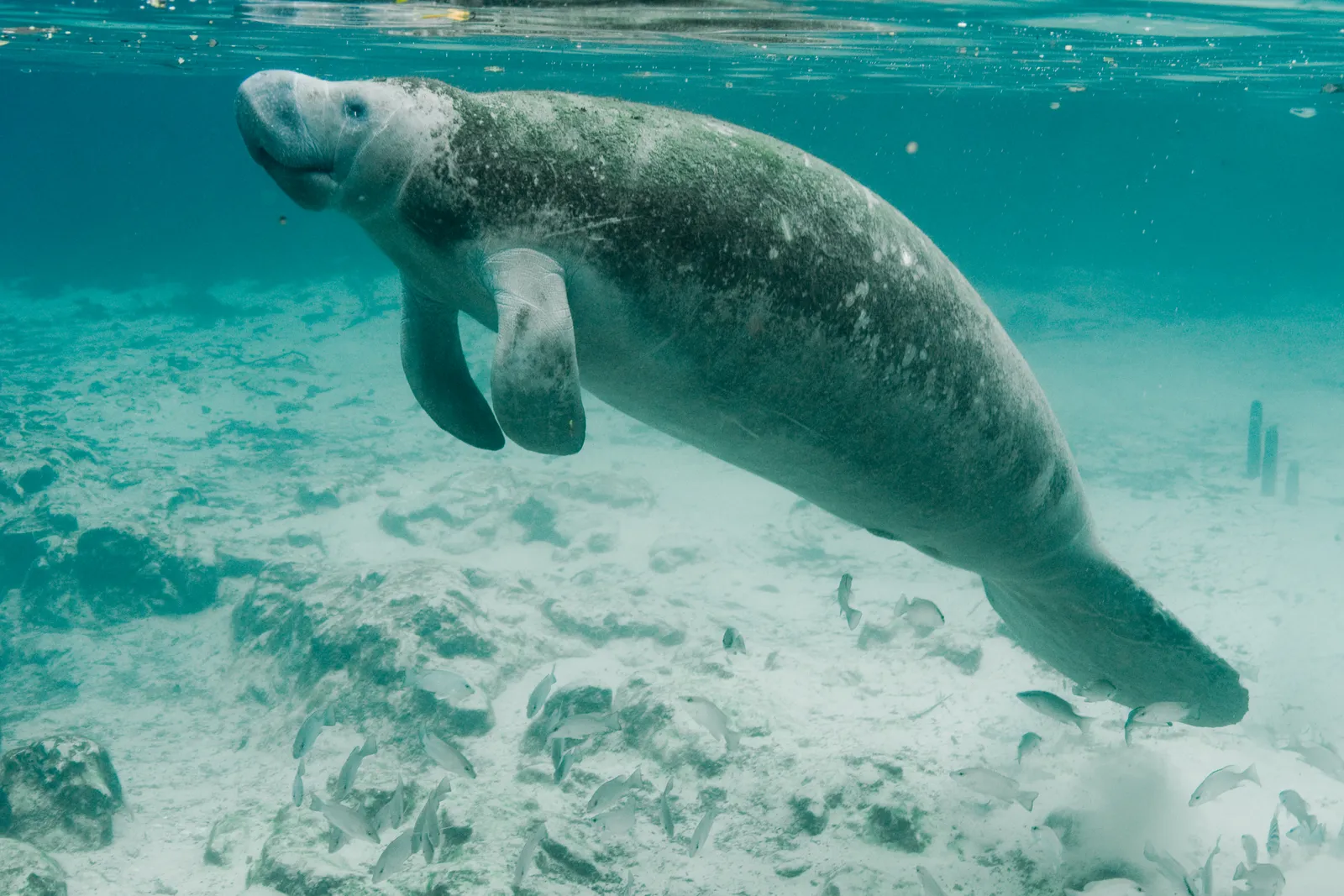
Two phrases cover most of the restricted water in Southwest Florida: “idle speed, no wake” and “slow speed, minimum wake.” Both are boating-restricted area designations named in § 327.46, Fla. Stat. (2026). Idle speed means the slowest speed that still gives you steerage, leaving no wake behind you. Slow speed means off plane and settled — the hull down in the water, not perched on it.
Manatee protection zones are the reason a lot of that water is posted. They are state rules under the Manatee Sanctuary Act, mapped county by county, and some of them switch on seasonally: FWC’s own manatee page shows a zone sign reading Slow Speed, Manatee Area, November 15th to March 31st (FWC, Florida Manatee, accessed September 2026).
For a personal watercraft (PWC) rider out of Bonita Springs, this is not a footnote. Zones govern the first and last mile of nearly every ride here, and in 2025, 188 of Florida’s 694 reportable boating accidents happened inside speed-restricted zones.
What the signs mean
Idle speed, no wake. The slowest speed at which the vessel still answers the helm — FWC’s regulations page puts it as “the minimum speed that allows the vessel to maintain headway and steerageway” (FWC, Boating Regulations, accessed September 2026). On a PWC that is bare thrust — enough to steer, nothing more. If you are leaving a rolling wake behind you, you are over it.
Slow speed, minimum wake. Off plane, fully settled, the stern down and the bow not climbing — FWC’s wording is “fully off plane and completely settled in the water” (same page). This is the one people get wrong: a PWC at the bottom of a plane, half up and pushing a shoulder of water, is throwing the biggest wake it is capable of. Slower is genuinely slower.
Numerical limits. Local ordinances may set a slow speed, minimum wake, or a numbered speed limit under § 327.46(1)(c). Where you see a posted number, that is the rule for that stretch.
Vessel exclusion. Some areas keep boats out altogether — public beaches, marked swim areas, and waters limited to canoes or vessels under oars or sail. On a PWC, the beach exclusions matter most; the swimming area at the end of a public beach is not a place to idle through looking for a spot to land.
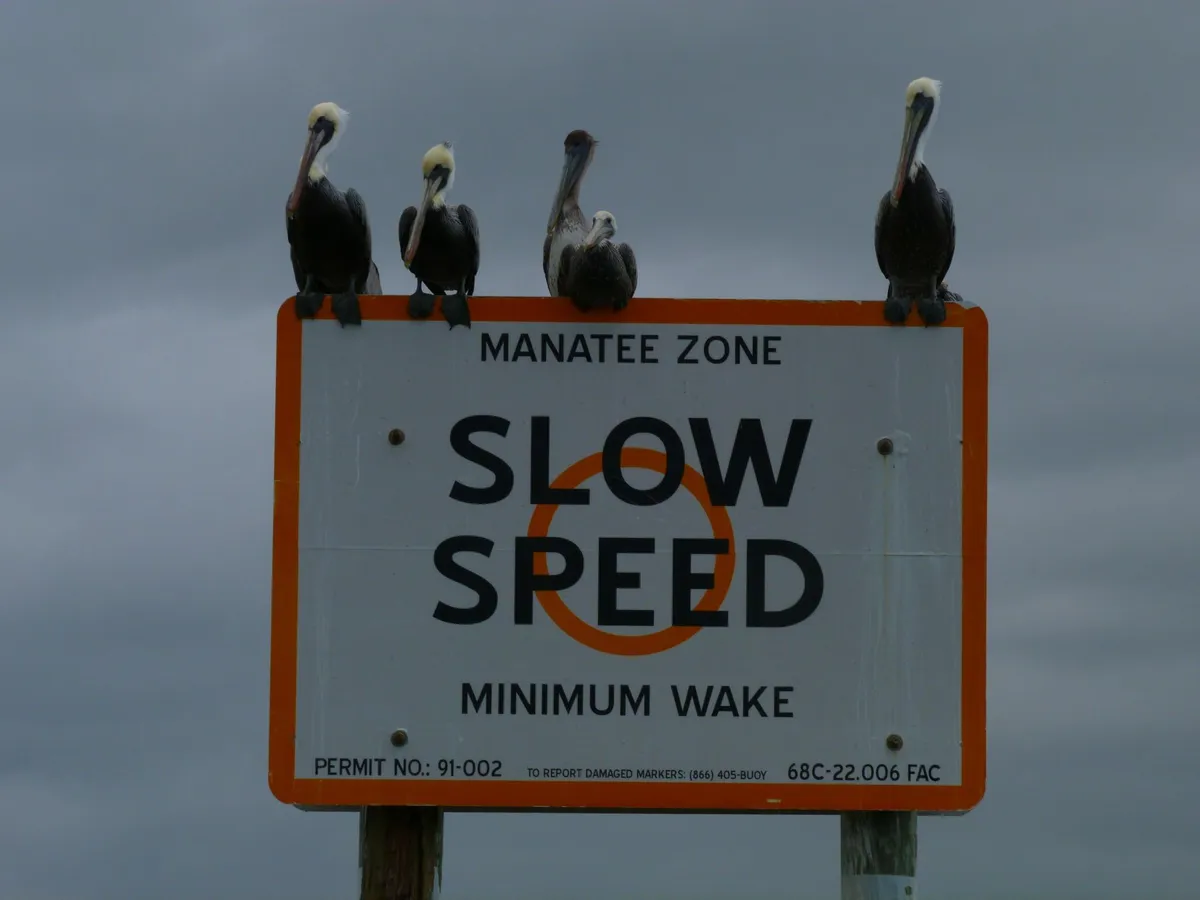
Who sets the zones, and why do they change at a line on the map?
Three authorities are stacked on the same water. FWC sets state manatee protection zones by rule and other restricted areas by rule under chapter 120. Counties and municipalities set their own by ordinance. Federal manatee protection areas exist as well, and FWC’s manatee data and maps page (accessed September 2026) points to all three sets of rules.
The practical consequence: zones can change where a county or city boundary crosses the water, and the posted sign is the thing that binds you. Ride the same route often enough here and you learn where the transitions are — but the first time through anywhere new, assume you do not know.
Reading the Lee and Collier maps before you launch
FWC publishes county manatee protection zone maps as PDFs. The two that matter for anyone launching between Estero and Marco:
- Lee County manatee protection zones: leempz-maps.pdf
- Collier County manatee protection zones: colliermpz-maps.pdf
The same FWC page also publishes cold-weather and warm-weather manatee migration changes to speed zones — the areas that become more protective when the water temperature moves the animals around.
Download the PDF for the county you are launching in, find your ramp, and trace the route out and back before you put the trailer in the water. Five minutes on a phone screen at the kitchen table beats guessing at 30 mph.
When is manatee season, really?
Seasonal zones are real, and the dates are posted rather than universal. FWC’s manatee page shows the seasonal sign wording Slow Speed, Manatee Area, November 15th to March 31st, which is the window most Southwest Florida riders will encounter, and the migration PDFs describe where zones tighten in cold weather.
Two honest caveats. The dates on your particular stretch come from the rule and the sign that applies to it, not from a blanket statewide season — so read the sign. And the animals do not read the calendar either: manatees move with water temperature, and a warm November or a January cold snap changes where they are, not whether they are protected.
What this means on a PWC specifically
A PWC is a vessel. There is no separate speed allowance for one inside a restricted area, and the machine’s ability to stop quickly is legally irrelevant.
What is worth knowing is how the machine behaves at these speeds. A PWC steers with thrust: no throttle, no steering. At idle speed you have very little authority to correct a line, so pick the line before you enter the zone, leave room to the mangroves, and account for the current in a pass or a river mouth. Riders who have only run their machine at speed are often surprised by how vague it feels at a crawl.
The wake rule cuts both ways too. Inside a no-wake zone you are responsible for the wake you make, and around here that usually means seawalls, docked boats, kayakers, and paddleboarders in the same narrow water.
Watching for manatees
Look for the round, glassy swirl on the surface — the print a tail leaves when an animal moves below. Polarized sunglasses turn that from invisible to obvious, which is why they are on the crew’s gear list in what to carry aboard.
When you see one, the best move is the boring one: off plane, straight line, steady speed, no swerving. Sudden direction changes are harder for an animal to predict than a boat holding a course. Give groups a wide berth, especially in winter when they raft up in warm water.
Enforcement, and a number we are not going to print
Under § 327.46(3), operating in a prohibited manner inside a clearly marked restricted area is unlawful. Penalty amounts depend on the citation written and on the local ordinance, and we could not confirm a single figure at a primary source today, so we are not publishing one. If you want the number before you need it, ask FWC.
Worth knowing alongside it: the 2025 Boater Freedom Act ended vessel stops made solely to conduct a safety inspection without probable cause. Running a posted zone at speed in front of an officer is probable cause. The new law did not make speed zones a suggestion.
And the stat that should land hardest for anyone riding here: FWC’s 2025 Boating Accident Statistical Report recorded 694 reportable accidents statewide with 51 deaths, of which 188 occurred inside speed-restricted zones. Lee County accounted for 44 accidents and seven deaths, third-highest of any Florida county (FWC, Boating Accident Statistical Reports, accessed September 2026). Restricted water is not empty water. It is where everybody else is too.
The crew’s take
Treat the zones as the price of admission for riding somewhere genuinely worth riding. The mangrove edges, the passes, and the back bays are posted precisely because they are the productive, alive parts of this coast.
Learn the two phrases, download the two PDFs, and put the throttle down where the map says you can. Then go read where to ride around here, make sure your operator paperwork is in order, and see the rest of the water content in The Boathouse.
Laws current as of September 2026; verify with FWC/FLHSMV before you ride or launch. General information, not legal advice.
Live inventory and today's price at Power Lodge Florida.
Quick answers
- What is the difference between idle speed no wake and slow speed minimum wake?
- Both are boating-restricted areas named in section 327.46. Idle speed, no wake means the slowest speed at which you can still maintain steerage and leave no wake. Slow speed, minimum wake means off plane and fully settled in the water, throwing the smallest wake the hull will make.
- When is manatee season in Florida?
- Seasonal manatee zones are posted on the water. FWC shows a seasonal sign reading Slow Speed, Manatee Area, November 15th to March 31st, and publishes cold-weather and warm-weather zone changes. The dates that bind you are the ones on the sign in front of you and on your county map.
- Are jet skis allowed in manatee zones?
- Yes, unless the zone is a vessel-exclusion area. A personal watercraft is a vessel and obeys the posted speed the same as any boat. There is no separate PWC speed allowance inside a restricted area.
- Who sets no-wake zones in Florida?
- FWC establishes boating-restricted areas by rule, and counties and municipalities may establish them by ordinance under section 327.46. That is why zones change at a county or city line and why the posted sign is the authority on your particular stretch of water.
- Where can I find the manatee zone maps for Lee and Collier County?
- FWC publishes county manatee protection zone maps as PDFs on its manatee data and maps page, including Lee County and Collier County. Download the one for your county and trace your route before you launch.
- What happens if you speed through a no-wake zone?
- It is unlawful to operate a vessel in a prohibited manner within a clearly marked boating-restricted area under section 327.46. Penalty amounts vary by the citation and the ordinance, so confirm with FWC rather than trusting a number you read on a forum.
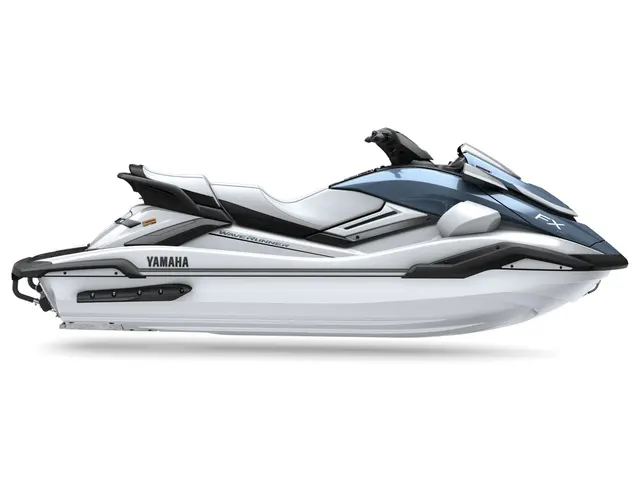
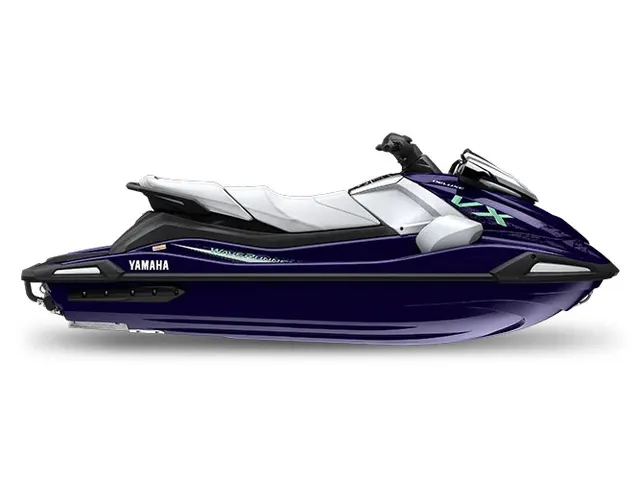

.jpg)