SWFL Local · The Boathouse
Where to Ride a Jet Ski in Southwest Florida: Estero Bay, Pine Island Sound, and Beyond
Seven stretches of water, from the mangrove crawl behind Fort Myers Beach to the run south into the Ten Thousand Islands — and an honest word about which ones you should not take a first machine into.
By The Outpost CrewUpdated 7 min read
Yamaha at Power Lodge →Sea-Doo at Power Lodge →Kawasaki at Power Lodge →
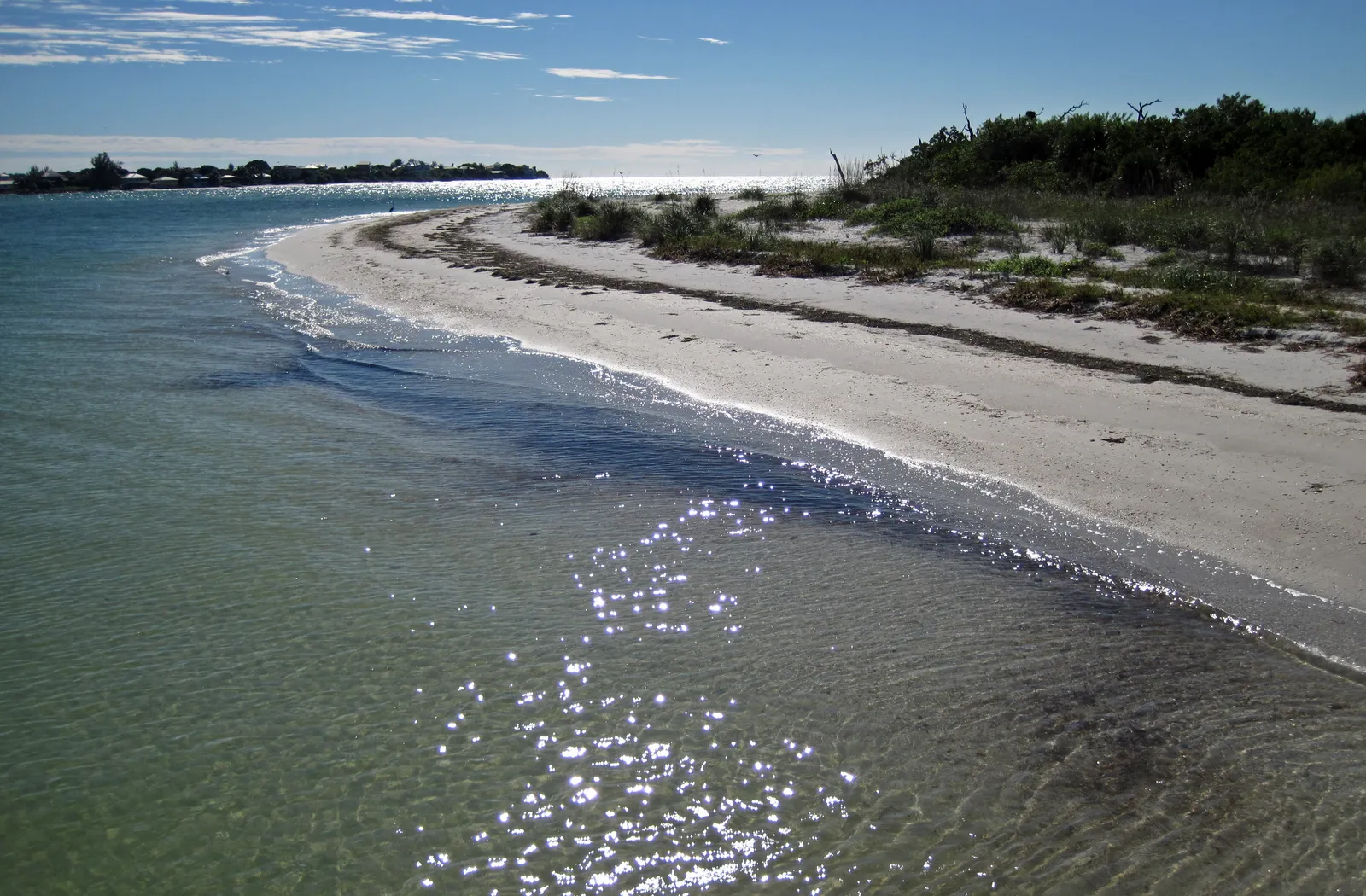
The good news for anyone learning here: Southwest Florida is one long protected backwater with the Gulf on the other side of it. From Bonita Springs you can be on shallow, mangrove-lined bay water in minutes, or out a pass into open Gulf on a flat morning, and the whole system runs north to Boca Grande and south to the Ten Thousand Islands without a single stretch you have to trailer around.
The catch is that almost all of it is posted. Manatee protection zones, idle-speed sections, and no-wake corridors sit between every ramp and every stretch of open water, and the fines for treating them as suggestions are the least of what can go wrong. In 2025, speed-restricted zones were the scene of 188 of Florida’s 694 reportable boating accidents.
Here is the water, area by area — what it is like, who it suits, which personal watercraft (PWC) matches it, and what to know before you point at it.
How this coast is laid out
Picture a barrier-island chain with a shallow bay behind it, cut every few miles by a pass to the Gulf. Behind the islands you get protected water, mangroves, oyster bars, and wildlife. Through a pass you get open Gulf, current, and boat traffic. Feeding the bays are rivers and canal systems.
Nearly every good ride here is a combination of those three: a slow crawl out through the backwater, a fast open stretch, and a decision about whether the Gulf looks like it wants you today.
Launch access is the one thing to research fresh every time. Ramp hours, parking, and fees change, and county pages are the only place worth trusting for them. Lee County’s parks department lists its public motorized ramps — including the Imperial River Boat Ramp in Bonita Springs, the Punta Rassa Boat Ramp on San Carlos Bay, and the Matlacha Boat Ramp on Pine Island Sound — with free admission and parking at ten dollars or less per day (Lee County Parks & Recreation, Boat Ramps, accessed September 2026). Check the county page for the ramp you plan to use rather than an old listicle, and if you are new to launching a PWC alone, start with our trailering and launching guide.
The rides, area by area
Estero Bay and the Imperial River
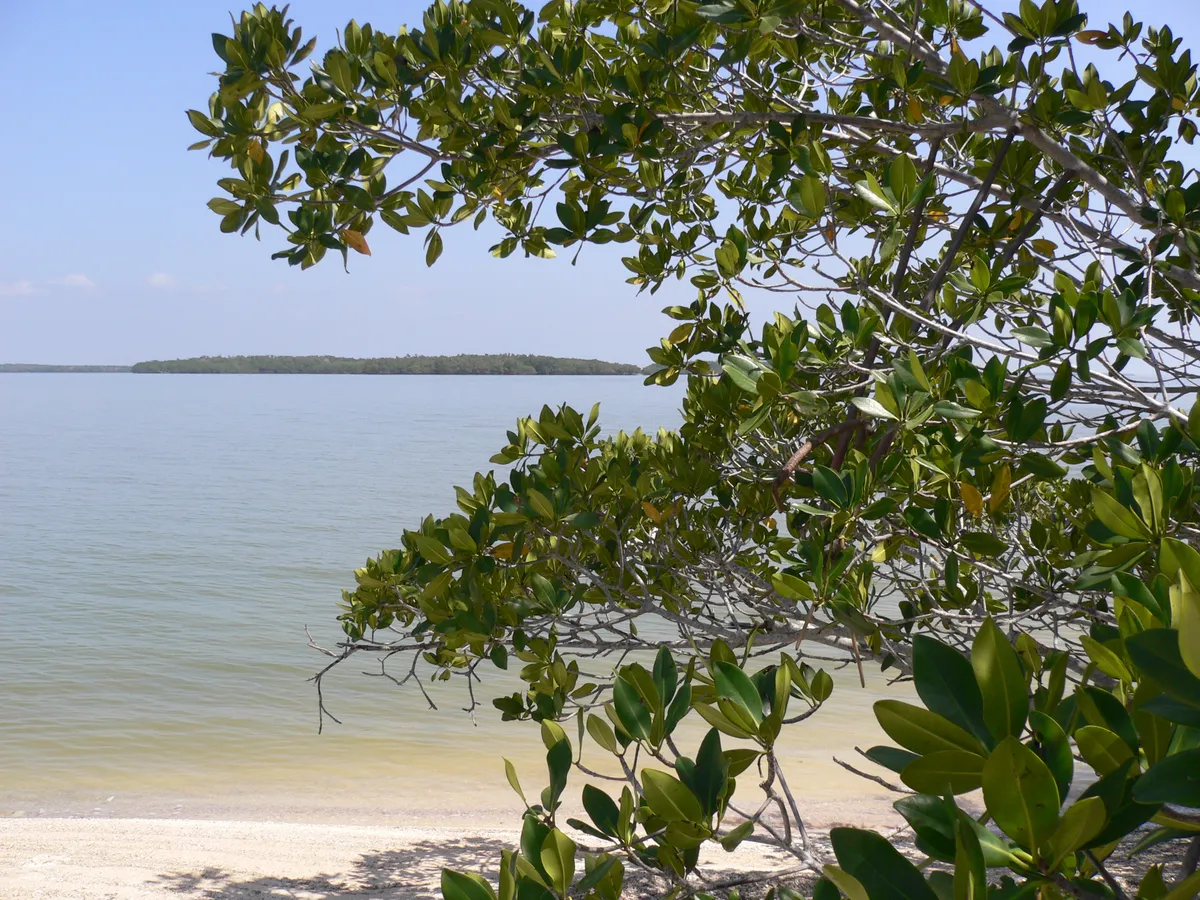
The home water. The Imperial River runs out of Bonita Springs into the top of Estero Bay, and the bay itself is shallow, protected, and lined with mangroves behind Estero Island. It is the most forgiving place on this coast to build skill: no ocean swell, plenty of room, and something alive in the water most mornings.
It is also heavily posted, which is the trade. The river section is a crawl, and the bay carries manatee zone coverage that you need to read on the county map rather than guess at. Treat it as a place to ride slowly and look at things, with the fast water waiting on the other side of the pass.
Suits: first-time owners, families, anyone with an hour after work.
Big Carlos Pass and the Gulf beachfront
Where Estero Bay meets the Gulf, between Estero Island and the Lovers Key stretch of shoreline. The pass moves water hard on a running tide, and the confluence of current, boat wakes, and a shallow bar makes it the first genuinely technical thing most local riders encounter.
Out the other side is the beachfront: on a calm early morning it is glass, and running the shoreline south toward Bonita Beach is the ride people picture when they buy a machine. By late morning on a breezy day the Gulf here builds a short, steep chop that punishes small hulls and light riders.
Suits: intermediate riders with a three-seat hull, early in the day.
San Carlos Bay, Sanibel, and Pine Island Sound
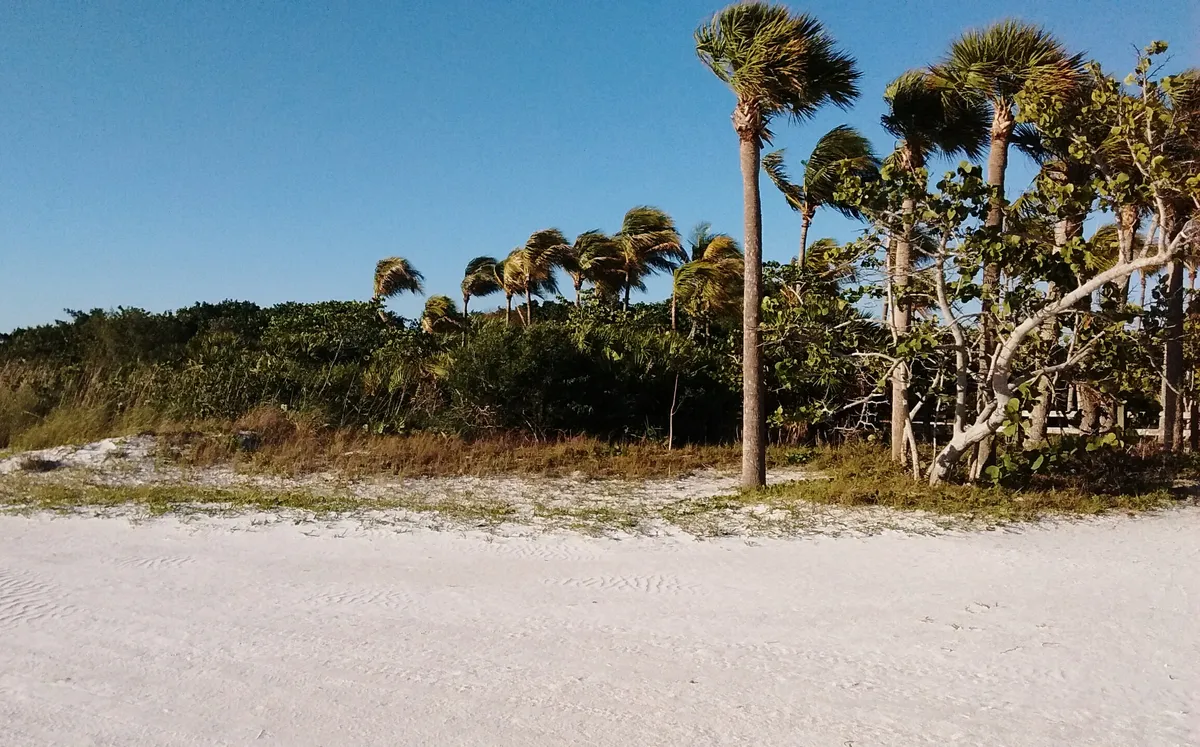
North of Estero Bay, the water opens up. San Carlos Bay sits at the mouth of the Caloosahatchee under the Sanibel Causeway, and beyond it Pine Island Sound runs north between Pine Island and the barrier islands.
This is big, open, shallow water with real fetch — when the wind has been up for a day it stacks a chop across the Sound that will beat you up on a small machine. It is also the most scenic riding in the county and the gateway to the island runs. Parts of these islands are still rebuilding from past storms; ride respectfully near shore, and expect posted zones near the causeway, marinas, and channels.
Suits: touring machines, riders with range and a plan.
The Caloosahatchee and the Cape Coral canals
The river runs east from San Carlos Bay past Fort Myers, wide and flat, with a canal system behind Cape Coral that fans out into thousands of waterfront back yards. If you live on one of those canals, this is a machine you can start from your own dock, which changes the ownership math completely.
The canals are a permanent idle-speed environment: seawalls, docked boats, kayakers, and blind corners. The river opens up between bridges but carries traffic and its own posted sections. Read the county map before you assume any stretch is open.
Suits: canal-home owners, anyone who wants river miles instead of salt.
Wiggins Pass and Naples Bay
South into Collier County, Wiggins Pass connects the backwater at the north end of Naples to the Gulf, and Naples Bay runs behind the city out to Gordon Pass. This is the busiest, most developed water on the list — marinas, restaurant docks, and heavy weekend traffic.
Ride it for the scenery and the beachfront run, not for the throttle. Expect idle and slow-speed zones through most of the developed sections, and use the Collier County manatee map rather than assuming Lee County habits carry south.
Suits: sightseeing rides, machines with comfortable seats and a quiet cruising speed.
Boca Grande Pass
The long tow north, and the most serious water in this guide. Boca Grande Pass is deep, tidal, and famous among tarpon anglers, which means it is often crowded with fishing boats holding position in a strong current.
We do not recommend it as a destination for a new rider or a two-seat machine. If you go, go on a slack tide, on a big hull, with somebody who knows the pass, and stay well clear of anchored and drifting boats.
Suits: experienced riders, large touring hulls, calm days only.
Marco Island and the Ten Thousand Islands
The adventure run. South of Marco the coast dissolves into mangrove islands and creeks that go on for miles, with almost no services once you leave the developed shoreline.
This is a fuel-planning ride, not a wander. Go with a second machine, tell somebody your route, carry water, and turn for home on a third of a tank. Navigation is genuinely difficult back there — the islands look identical, and the phone signal is not reliable. Done properly it is the best day out on this coast; done casually it is how people end up on the evening news.
Suits: three-seat touring machines, pairs or groups, experienced riders.
Matching the machine to the water
| Where you ride most | What suits it |
|---|---|
| Canals, the Imperial River, protected bay | Rec-lite and recreation machines — a Yamaha JetBlaster or a VX-class hull is plenty |
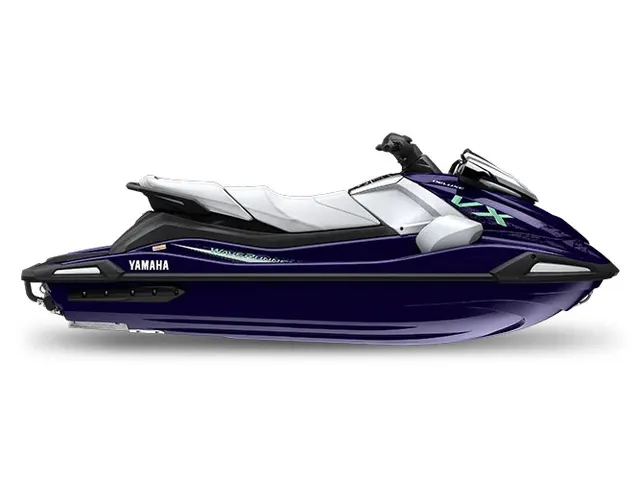
| Estero Bay plus occasional Gulf mornings | A three-seat recreation hull: Yamaha VX Deluxe, Sea-Doo GTI SE class |
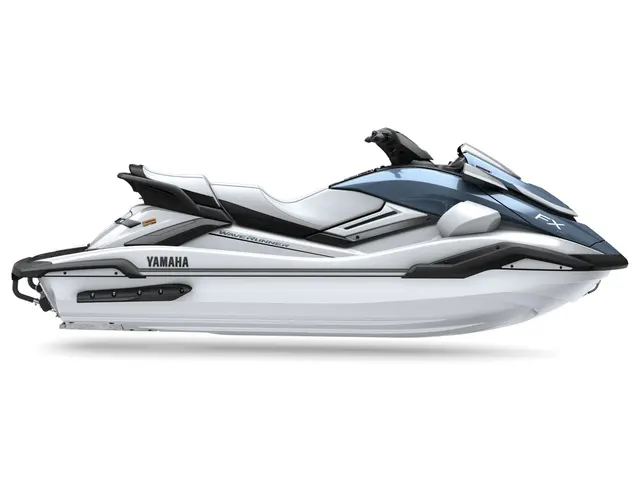
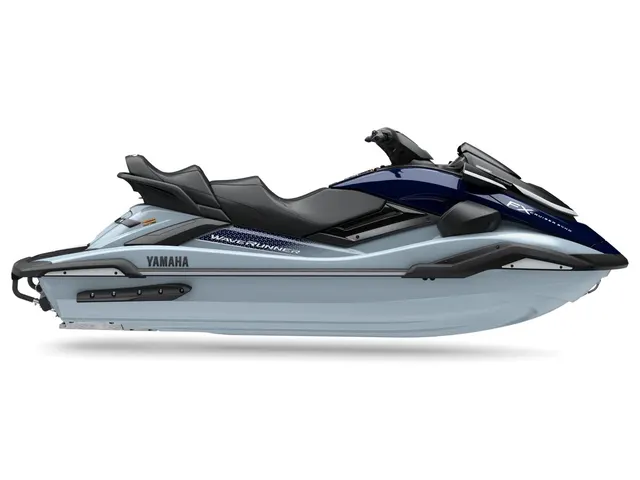
| Passes, Pine Island Sound, longer runs | Touring hulls with fuel and storage: Sea-Doo GTX class, Yamaha FX class |
| Distance runs, groups, the Ten Thousand Islands | The biggest touring or supercharged hulls, including the Kawasaki Jet Ski Ultra 310X, with range planned around the slowest machine in the group |
The single biggest mistake we see is the mismatch at both ends: a light rec-lite machine bought for open Gulf water, or 300 horsepower bought by somebody whose real riding is a no-wake canal. Buy for the water you will actually ride 40 weekends a year, not the one you will ride twice. That is the whole argument of buying your first jet ski in Southwest Florida.
Before you go
- Registration aboard, numbers and decal displayed. The paperwork side is in our registration guide.
- Operator card if you were born on or after January 1, 1988, plus photo ID — see the license explainer.
- Worn, non-inflatable life jacket for every person, lanyard clipped, whistle, and signals. The full list is in what you must carry.
- County manatee map traced for the route you are riding.
- Weather checked twice — in summer the storms build inland in the early afternoon and come west fast.
- Fuel plan: turn around on a third of a tank.
- A hard stop before dark. PWC operation is illegal from a half hour after sunset to a half hour before sunrise — § 327.39, Fla. Stat. (2026).
The crew’s take
Ride early. The water is flattest before the sea breeze fills in, the ramps are empty, the wildlife is up, and you are home before the afternoon storm builds. Everything about this coast is better at seven in the morning than at two in the afternoon, and the machines do not care either way.
Then work outward. Estero Bay until the zones and the boat traffic feel automatic, the beachfront on calm mornings, the Sound when you have the range, and the long southern run when you have a partner and a plan. That is a couple of seasons of riding, and it is more water than most owners anywhere in the country will ever have on their doorstep. More of it, machine by machine, is in The Boathouse.
Laws current as of September 2026; verify with FWC/FLHSMV before you ride or launch. General information, not legal advice.
Power Lodge Florida, 28470 S Tamiami Trail — live inventory and today's price.
Quick answers
- Where can you ride a jet ski near Fort Myers and Naples?
- The core water runs from Estero Bay behind Fort Myers Beach north through San Carlos Bay and Pine Island Sound, up the Caloosahatchee and the Cape Coral canals, and south through Wiggins Pass, Naples Bay, and Marco Island to the Ten Thousand Islands. All of it carries posted speed zones.
- Is Estero Bay good for jet skiing?
- It is the most forgiving water on this coast for a new rider: shallow, protected, and mangrove-lined, with the Gulf a short run away through the passes. It also carries heavy manatee and no-wake zone coverage, so check the Lee County map before you launch.
- Can you take a jet ski in the Gulf of Mexico?
- Yes, and locals do it constantly on calm mornings. The Gulf here builds a short, hard chop by late morning on a breezy day. Ride the beachfront early, stay within sight of shore on a two-seater, and turn back when the whitecaps start.
- Do you need a permit to ride a jet ski in Southwest Florida?
- No riding permit. You need the vessel registered, the operator carded if born on or after January 1, 1988, a worn non-inflatable life jacket for everyone aboard, and compliance with posted speed zones. Launch ramps may charge a parking or launch fee.
- When is the best time of day to ride a jet ski in Southwest Florida?
- Early morning. The water is flattest before the sea breeze fills in, wildlife is moving, and you avoid the afternoon thunderstorms that build inland and roll west in summer. Remember PWC riding is illegal from a half hour after sunset to a half hour before sunrise.
- How far can you ride a jet ski on a tank of gas?
- Far enough to get in trouble if you do not plan. Range depends on the machine, the load, the chop, and your throttle hand, and all of those get worse on the way home. Turn for the ramp on a third of a tank rather than half.
_1_(24301579326).jpg)

_(39569421580).jpg)

.jpg)