Florida Rules · The Stable
Scooter, Moped, and 50cc Rules in Florida: License, Registration, Helmets, and Where You Can Ride
Almost every scooter sold new in Florida is legally a motorcycle. That one sentence answers most of the questions people arrive with.
By The Outpost CrewUpdated 6 min read
Florida does not care what your scooter looks like. It cares what the engine displaces and how fast the thing goes. Get those two numbers and every other question — license, tag, helmet, where you can ride — answers itself.
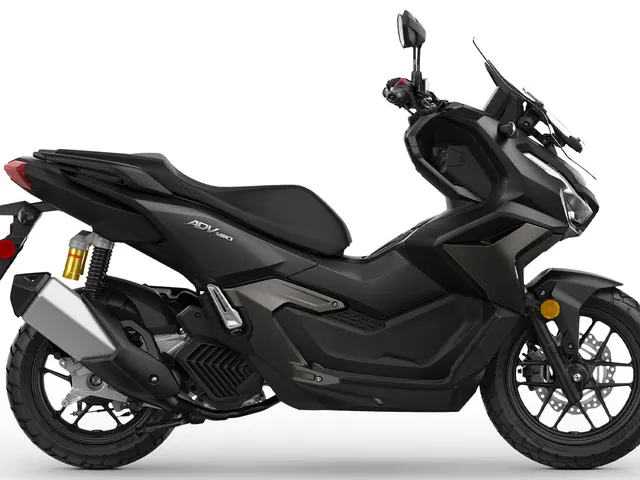
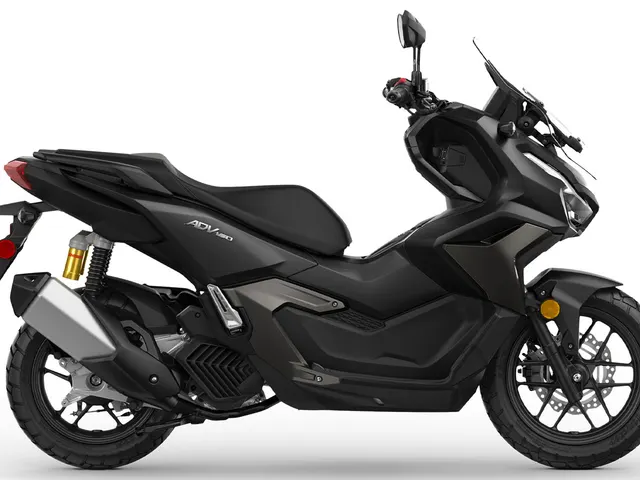
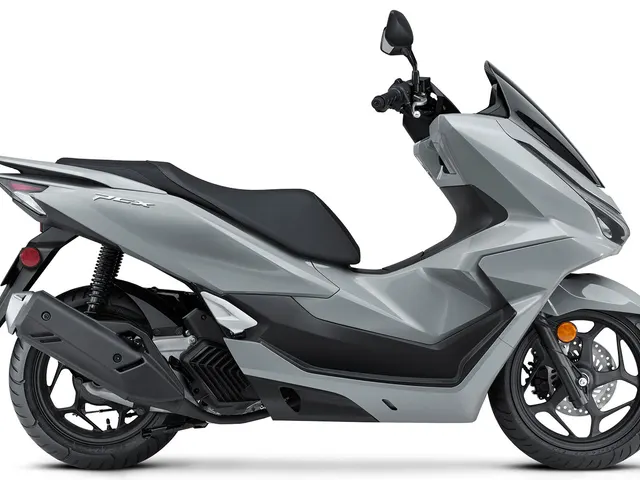
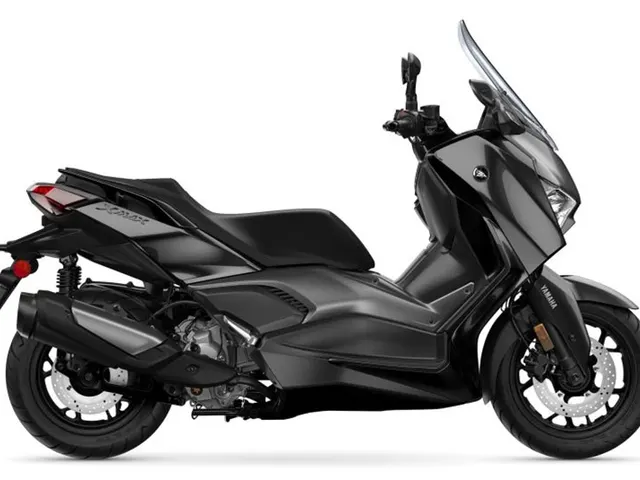
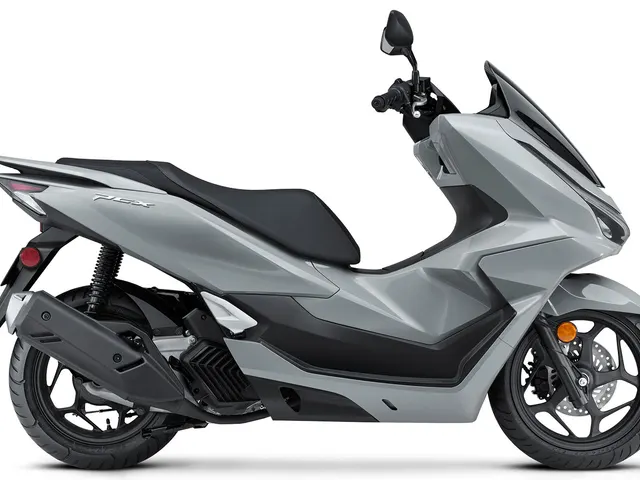
The short version: a moped is a small, pedal-equipped, 50cc-or-less machine that cannot exceed 30 mph. Almost nothing sold new fits that. Everything above it — including a 125cc Zuma, a 157cc PCX or ADV160, and a 292cc XMAX — is legally a motorcycle in Florida, with the endorsement, registration, and helmet rules that come with the word.
That surprises people, and it is the single most useful thing on this page.
The three categories, and which one you are in
Florida has three buckets for small powered two-wheelers, and they do not line up with how anyone shops.
Moped. Pedals, no more than 2 brake horsepower, no more than 30 mph on level ground, 50cc or less if it burns fuel, and an automatic drive system. All of those, not any of them. The pedal requirement alone rules out most machines people call mopeds.
Motorized scooter. A distinct category under § 316.003(48), Fla. Stat. (2026): a motor-powered device “with or without a seat or saddle,” on not more than three wheels, “not capable of propelling the vehicle at a speed greater than 20 miles per hour on level ground.” This is the stand-up micromobility category — the things rented by the hour on a sidewalk. It is neither a moped nor a motorcycle, and it is not registered like one. Its street-use rules are the thinnest-documented corner of this subject, and FLHSMV’s consumer page on the topic has been offline, so the definitional statute above is the reliable reference and local ordinances fill the rest.
Motorcycle. Everything else with a saddle and three or fewer wheels. Displacement is irrelevant to the definition — a 109cc machine with no pedals is as much a motorcycle in Florida as a 1,000cc one.
Where the scooters on our floor land
Every scooter and mini-bike Power Lodge stocks is in the motorcycle bucket. Not one of them is a moped.
| Model | Model year | Displacement | Florida category | Listed at |
|---|---|---|---|---|
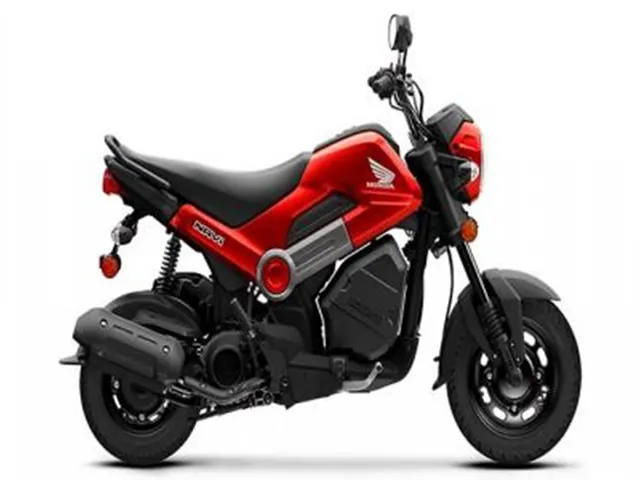
| Honda Navi | 2025 | 109cc | Motorcycle | $2,099 (MSRP $2,099) |
| Yamaha Zuma 125 | 2025 | 125cc | Motorcycle | $3,799 (MSRP $3,799) |
| Honda PCX | 2026 | 157cc | Motorcycle | $4,349 (MSRP $4,349) |
| Honda ADV160 | 2027 | 157cc | Motorcycle | $4,499 (MSRP $4,499) |
| Yamaha XMAX | 2026 | 292cc | Motorcycle | $6,399 (MSRP $6,399) |
Prices are as listed in September 2026, before freight, prep, tax, and tag.
The Navi is the one that catches people. It is small, it is inexpensive, it has a twist-and-go CVT and mini-bike proportions, and none of that matters: 109cc and no pedals means motorcycle, which means you need the endorsement before you ride it home.
What license you need
Florida requires a licensed operator on all of it. Beyond that:
Over 50cc — motorcycle endorsement required. FLHSMV states it directly: “If you wish to operate any two or three wheel motorcycle, whose engine size is more than 50 cc, you are required to have a motorcycle endorsement.” That means every machine in the table above. Getting the endorsement means passing a Basic RiderCourse first — the whole path, including the one-year deadline that catches people, is in our Florida motorcycle endorsement guide.
True moped — license yes, endorsement no. A rider on a genuine 50cc moped needs a driver license, since § 322.03, Fla. Stat. (2026) requires one for operating a motor vehicle on the highways, but FLHSMV’s guidance is that no motorcycle endorsement is needed and the practical baseline is a Class E license at 16 or older. FLHSMV’s dedicated moped consumer page has been unavailable, so treat the agency guidance as guidance and the statute as the authority.
Registration and tags
There is no unregistered street-legal category. FLHSMV’s fee schedule lists motorcycles at $10.00 annually and mopeds at $5.00 annually. Both get a tag.
Two useful details. Motorcycles are not subject to Florida’s $225 initial registration fee, which applies to cars, trucks, and motor homes — so the first-year cost of putting a scooter on the road is far lower than putting a car on it. And a tax collector office may add a service fee of up to $6.25 to a credential issued there.
Helmets and eye protection
Same statute as any motorcycle, with two size-and-age carve-outs. The full treatment is in our Florida helmet law guide; the scooter-relevant version:
- Over 50cc: helmet required unless you are over 21 and covered by an insurance policy providing at least $10,000 in medical benefits for motorcycle-crash injuries — § 316.211, Fla. Stat. (2026). Every scooter on our floor is in this group.
- Under 16 on a moped: helmet required, no exception.
- 16 or older on a 50cc-or-smaller motorcycle: the section “does not apply.”
- Eye protection: required for every motorcycle operator, at every age, with no insurance exception. On a step-through scooter with no fairing to hide behind, this is the rule you will be glad of on US-41.
Where you can and cannot ride
The interstate question is the one scooter buyers ask most, and Florida answers it by capability rather than by displacement.
Under § 316.091(2), Fla. Stat. (2026), “no person shall operate upon a limited access facility any bicycle, motor-driven cycle, animal-drawn vehicle, or any other vehicle which by its design or condition is incompatible with the safe and expedient movement of traffic.” I-75 and Alligator Alley are limited access facilities. A machine that cannot comfortably hold the flow of traffic is the vehicle that clause is describing.
Practically, that sorts our floor into two groups. The Navi, the Zuma 125, the PCX, and the ADV160 are surface-street machines — press testing puts the 157cc Hondas near a 65 to 70 mph ceiling, which is not margin, it is the limit. The Yamaha XMAX, at 292cc, is the one built for sustained highway speed — maxi-scooter tests credit it with 75-plus mph capability, which is what real margin over a posted 70 looks like. We compare the three commuter options in XMAX versus PCX versus ADV160.
A moped is even more restricted by its own definition — a 30 mph ceiling puts it on neighborhood streets and nothing faster. Local ordinances can add restrictions on top, particularly on beach and downtown corridors in Lee and Collier counties, so check the city you actually ride in.
What changed in 2025 and 2026
Nothing in this area. The moped and motorcycle definitions, the helmet rule, and the endorsement requirement all stand as written. Section 316.211 was last amended in 2006, and the two recent session laws touching driver licensing — ch. 2025-125 and ch. 2026-3 — covered exam integrity and commercial license matters, not motorcycle or moped rules.
The crew’s take
The mistake we watch people make in Bonita Springs is buying a 157cc scooter for a commute that includes I-75, because a scooter feels like a bicycle-adjacent decision and it is not. Sit down with the route first. If your commute is Bonita to Naples on Tamiami Trail, a PCX or ADV160 is close to perfect and will return fuel economy that makes a car look silly. If it includes even four miles of interstate, the XMAX is the machine and the extra money is not optional.
And get the endorsement before you buy, not after. A scooter on a tag with an unlicensed rider is a stop, and the machine does not care that it has a step-through frame. If the commute math has you eyeing a real motorcycle instead, the beginner buyer’s guide is the next page to read.
Laws current as of September 2026; verify with FWC/FLHSMV before you ride or launch. General information, not legal advice.
28470 S Tamiami Trail, Bonita Springs — (239) 799-2229.
Quick answers
- Do you need a license for a scooter in Florida?
- Yes. Every powered two-wheeler needs a licensed operator. If the engine is larger than 50cc — which covers almost every new scooter, including a 125cc or 157cc model — FLHSMV requires a motorcycle endorsement. A true 50cc moped needs a driver license but not an endorsement.
- Is a 150cc scooter a moped in Florida?
- No. Florida defines a moped as having pedals, a motor of no more than 2 brake horsepower, a top speed of no more than 30 mph on level ground, and — if it burns fuel — no more than 50cc. A 150cc scooter fails that test and is legally a motorcycle: title, registration, endorsement, and helmet rules all apply.
- Do you have to register a scooter in Florida?
- Yes. Anything that meets Florida's motorcycle definition is titled and registered like a motorcycle, listed at $10.00 a year on FLHSMV's fee schedule. A true moped is registered too, listed at $5.00 a year. There is no unregistered street-legal category here.
- Do you need a helmet on a scooter in Florida?
- On anything over 50cc, yes — unless you are over 21 and carry at least $10,000 in motorcycle medical-benefits coverage, the same rule as any motorcycle. Riders under 16 must wear a helmet on a moped. Eye protection is required for every motorcycle operator regardless.
- Can you ride a scooter on the interstate in Florida?
- Not if it cannot keep up. Florida bars bicycles, motor-driven cycles, and any vehicle "incompatible with the safe and expedient movement of traffic" from limited access facilities like I-75. A 157cc scooter topping out near 65 to 70 mph is a bad candidate; a 292cc maxi-scooter is a different conversation.
- Is a Honda Navi a moped in Florida?
- No. The Navi runs a 109cc engine and has no pedals, so it fails Florida's moped definition on two counts and is treated as a motorcycle — endorsement, tag, and helmet rules all apply, even though it is smaller than most motorcycles on the road.