Buyer's Guide · The Stable
Best Beginner Motorcycles in 2026: What We Would Put a New Rider On in Florida
The Ninja 500 is the safe answer. It is not the only answer, and for about a third of new riders it is the wrong one.
By The Outpost CrewUpdated 9 min read
Kawasaki at Power Lodge →Yamaha at Power Lodge →Honda at Power Lodge →CFMOTO at Power Lodge →
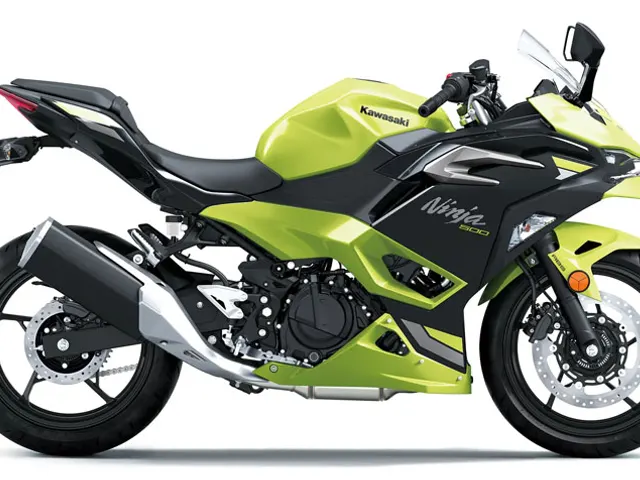
If you want the short answer: the 2026 Kawasaki Ninja 500 ABS. It is the bike we point most new riders at, it is the deepest single model in the building, and almost nothing about it will punish a rider who is still learning. Kawasaki publishes 51 horsepower, a 30.9-inch seat, and a 377-pound curb weight, and the MSRP starts at $5,799.
But “best beginner motorcycle” is a question with six right answers, and the wrong one is whichever bike you cannot flat-foot, cannot afford to insure, or do not want to look at. A person who wanted a cruiser and bought a sportbike because a forum told them to is a person who stops riding by March.
So here is the honest version: what actually makes a bike beginner-friendly, then the six machines on the Power Lodge floor in September 2026 that clear that bar, sorted by the kind of rider you already know you are.
What makes a motorcycle good for beginners?
Five things, roughly in order of how much they matter.
Can you put your feet down? Seat height is the first filter and the one people skip. A rider who touches with one toe will drop the bike in a gas station, and the drop is what ends the hobby. Everything below is between 27.2 and 31.1 inches, and the spread inside that range is enormous in practice.
How much does it weigh, and where? Curb weight matters less than where the mass sits. A 388-pound cruiser with a 28.9-inch seat feels lighter at a stop than a 377-pound sportbike with a 30.9-inch seat, because the cruiser’s weight is under you rather than above you.
How does the power arrive? This is where displacement misleads people. A 451cc parallel twin making 51 horsepower at 10,000 rpm is gentler at 3,000 rpm than a peaky 400cc four. Smooth is what you want; the number on the side panel is not the number that matters.
ABS and a slipper clutch. ABS is not optional on a first bike — panic braking on wet Florida asphalt in front of a Publix is the exact scenario it exists for. An assist and slipper clutch does two useful things: it lightens the lever, and it keeps the rear wheel from hopping when you downshift too aggressively, which every new rider does.
What it costs to own, not to buy. Insurance on a supersport can run double a naked or cruiser for the same rider. Tires, chain, and first service are real. Ask us to price the whole first year, not the sticker.
The sportbikes: Kawasaki Ninja 500 and Yamaha YZF-R3
These are the two bikes 80 percent of new sport riders cross-shop, and both are on the floor.
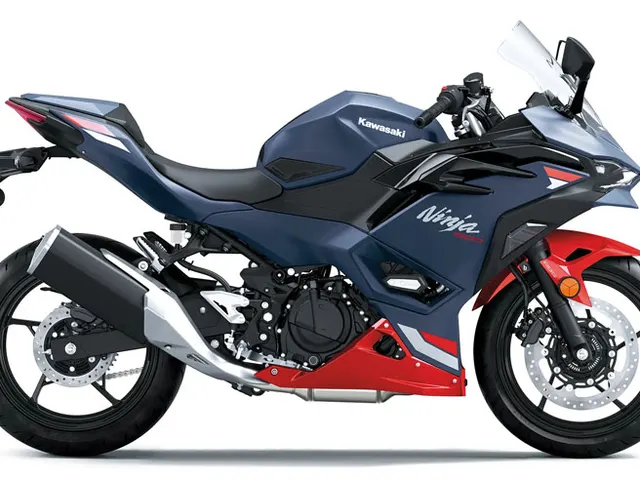
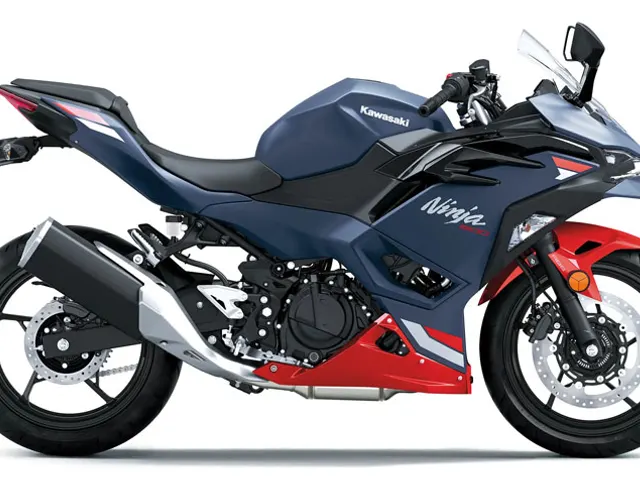
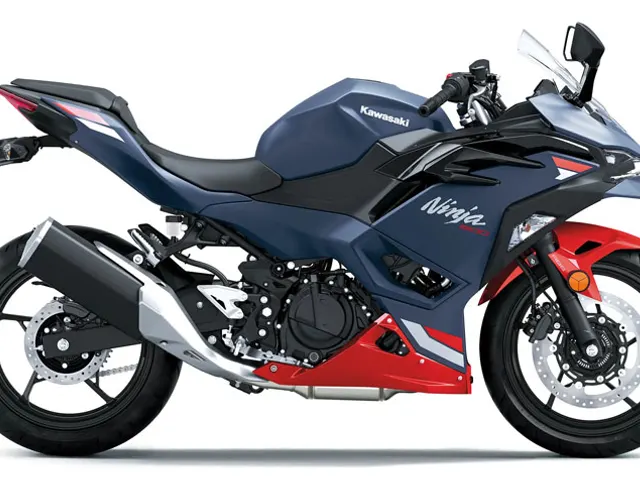
The 2026 Kawasaki Ninja 500 ABS is the default. Its 451cc parallel twin makes 51.0 horsepower at 10,000 rpm and 31.7 lb-ft at 7,500 per Kawasaki’s own spec page — Kawasaki skipped Europe’s beginner-license power cap on purpose, which is where the extra mid-range comes from. RideApart’s review of the platform rated the rear suspension well above the price point. Six 2026 ABS units are on the floor listed at $5,799 to $5,999, plus two Ninja 500 SE ABS at $6,199 to $6,499 as listed. The SE’s headline addition is a 4.3-inch color TFT dash with smartphone connectivity, on top of cosmetic and convenience trim; if the dash does not move you, the base ABS bike is mechanically the same motorcycle. Full details in our Kawasaki Ninja 500 review.
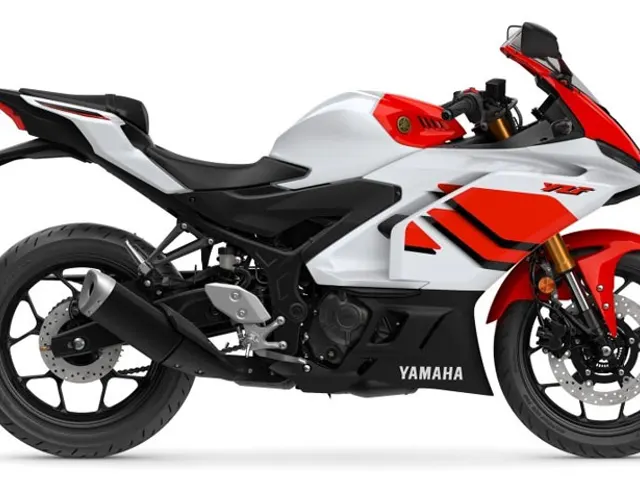
The 2026 Yamaha YZF-R3 is the sharper, lighter-feeling one. Its 321cc twin gives up real torque to the Kawasaki, but it is a genuinely small motorcycle — 373 pounds wet and a 30.7-inch seat per Yamaha — and it rewards being revved instead of lugged. The 2026 bike adds Y-Connect smartphone connectivity and a USB-A socket, and this year’s 70th Anniversary White/Red speed-block livery is the one people photograph. Three units are on the floor listed at $5,099 to $5,499, against a $5,499 MSRP for the 2026 model. Yamaha lists a $650 destination charge on top. See the Yamaha YZF-R3 review, or go straight to the Ninja 500 versus R3 head-to-head, which is the decision most of these shoppers are actually making.
The cruisers: Kawasaki Eliminator and Honda Rebel 300
If you already know you want feet-forward and a low seat, do not let anyone talk you into a sportbike.
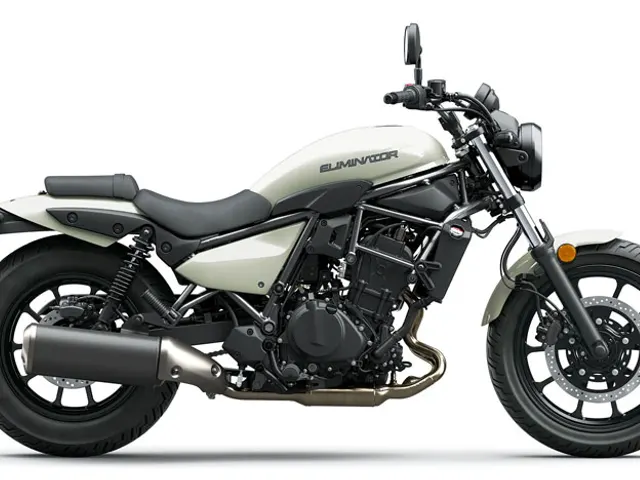
The 2026 Kawasaki Eliminator ABS is the same 451cc twin from the Ninja 500 — 51 horsepower, 31.7 lb-ft — dropped into a cruiser chassis with a 28.9-inch seat and a 388.1-pound curb weight. That pairing is still rare: a cruiser most shorter riders can flat-foot that stays comfortable at the Alley’s posted 70 with throttle to spare. Three are on the floor at $6,799, which matches the 2026 MSRP. The tank is 3.4 gallons, so plan fuel stops on longer days.
The 2025 Honda Rebel 300 is the shortest-inseam option we sell: a 286cc single, 27.2-inch seat, 364 pounds. It is stall-proof easy and it has been the standard answer for a decade. Owners are consistent about the trade — it buzzes at 70 mph and the rear shocks are soft. One 2025 unit is on the floor listed at $3,999 against a $4,849 MSRP for that model year. Worth knowing before you sign: for 2026 Honda made E-Clutch standard on the Rebel 300 at a $5,395 MSRP, which removes the clutch lever entirely. RideApart’s verdict on the 2026 bike was blunt — “This isn’t the Rebel I started riding on, it’s better.” If clutch coordination is the thing you are worried about, that is a real reason to wait for a 2026; if it is not, the 2025 on the floor is the cheapest way onto a real motorcycle here.
The naked bike: CFMOTO 450NK
The 2025 CFMOTO 450NK is the value play, and there are five of them — the deepest CFMOTO stock in the building. It runs a 449cc 270-degree parallel twin making roughly 47 horsepower in tests, weighs about 364 pounds, and comes with a full TFT dash and ABS at a price that undercuts everything above it. RideApart’s first ride called it “small and approachable” and noted it “does like to pop its front wheel up,” with budget suspension as the main compromise.
The caveat is the one CFMOTO owners raise themselves on forums: the engines have a good reputation, the dealer and parts network is younger than Honda’s or Kawasaki’s, and resale is less predictable. Buying one from a dealer that stocks five of them and services them is most of the answer to that. The price on these is not published in our feed, so get today’s price at Power Lodge — and if the brand question is what is holding you up, we wrote a longer answer in is CFMOTO a good brand.
The scrambler: Honda SCL500
The 2024 Honda SCL500 exists for the rider who wants none of the above to look like what it is. It is the CB500 platform — a 471cc parallel twin, about 46 horsepower — with wide bars, a high pipe, a 31.1-inch seat, and a 419-pound curb weight. RideApart’s first ride called it “reasonably accessible to both newer and shorter riders” and wished for adjustable levers.
It is the tallest and heaviest bike on this list, so it is the one to sit on before you commit. One 2024 unit is on the floor listed at $5,499 against a $6,799 MSRP for that model year, which makes it the most bike-per-dollar here if the styling is what you wanted anyway.
There is one more oddity worth naming: a single 2024 Kawasaki Z e-1, Kawasaki’s small electric naked, listed at $6,449 against a $7,599 MSRP. No clutch, no shifting, about 298 pounds, and a 30.9-inch seat. It removes two of the three things beginners find hard. Treat it as a surface-street machine and ask us for its range and charging figures before you plan anything around it — those are the numbers that decide whether an electric bike fits your week, and they are the ones nobody checks until after.
Should your first motorcycle be a 300 or a 500?
The internet will tell you to start on a 300 and step up in a year. That advice is a decade old and it was written for bikes that no longer exist.
Here is the actual trade. The R3’s 321cc twin is lighter and more forgiving of a clumsy right hand, and it is more fun at legal speeds because you can use most of it. The Ninja 500 and Eliminator’s 451cc twin has enough torque that you are not downshifting twice to pass a truck on Corkscrew Road, and it is the bike you will still want in two years.
Neither is dangerous. Both have ABS and a slipper clutch. The 500 will not get away from you unless you ask it to, and asking it to is a decision, not an accident.
Our tiebreaker is honest and boring: if you are under about five foot six, or the bike is your first vehicle of any kind, the 300-class bike is the better first year. If you are average height, will ride I-75 or the Alley, or will ever carry a passenger, buy the 451 and skip a trade-in.
What it costs, September 2026
| Bike | Model year | Listed on our floor | MSRP |
|---|---|---|---|
| Honda Rebel 300 | 2025 | $3,999 | $4,849 |
| Yamaha YZF-R3 | 2026 | $5,099–$5,499 | $5,499 |
| Honda SCL500 | 2024 | $5,499 | $6,799 |
| Kawasaki Ninja 500 ABS | 2026 | $5,799–$5,999 | from $5,799 |
| Kawasaki Ninja 500 SE ABS | 2026 | $6,199–$6,499 | $6,499 |
| Kawasaki Eliminator ABS | 2026 | $6,799 | $6,799 |
| CFMOTO 450NK | 2025 | see today’s price | — |
Those are unit prices as listed in September 2026. Freight, prep, tax, and tag are separate and real — ask for an out-the-door number before you compare anything to a number you saw online. Florida charges $7 to add the motorcycle endorsement and $10 a year to register a motorcycle, which is the cheapest part of this whole exercise.
Mistakes people make
Buying on displacement. A 400cc inline-four that peaks at 16,000 rpm is not a beginner bike, and a 451cc twin is. Ask how the power arrives.
Skipping the sit-down. Twenty minutes in the showroom on all six of these settles more than a month of reading. Seat height on a spec sheet does not tell you how wide the seat is where your legs go over it, and that is what decides whether you flat-foot.
Buying a bike you have to grow into. The bike you can ride today teaches you faster than the bike you are scared of.
Under-buying on gear and over-buying on farkles. Nobody’s first year was improved by a tail tidy.
Forgetting Florida. Every bike here is air-cooled by movement. In stop-and-go on US-41 in August, an engine between your knees is a space heater, and full mesh gear is not a luxury. We wrote the summer playbook in riding in Florida heat and rain.
Where to go next
Get the endorsement sorted first — Florida requires a Basic RiderCourse before your first endorsement, and the course puts you on a training bike before you spend a dollar. The whole path is in our Florida motorcycle endorsement guide. Then read the helmet law, because the exception people repeat at bars is not what the statute says.
After that, pick a lane: Ninja 500 versus R3 if you want a sportbike, the Kawasaki Eliminator review if you want a cruiser, the CFMOTO 450NK review if the value story is pulling at you. The rest of the street coverage lives in The Stable, and when you are licensed, the best rides in Southwest Florida is where to point the thing.
Live inventory and today's price on every unit above.
Quick answers
- What is the best beginner motorcycle in 2026?
- For most new riders, the 2026 Kawasaki Ninja 500 ABS. Kawasaki publishes 51 horsepower and a 30.9-inch seat, the assist and slipper clutch is forgiving, and the 451cc twin still has enough left for I-75. MSRP starts at $5,799 for the 2026 ABS model.
- Is a 500cc motorcycle too big for a beginner?
- No. A modern 450–500cc parallel twin like the Ninja 500 or Eliminator makes about 51 horsepower and delivers it gently. The number that matters for a first bike is weight and power delivery, not displacement — both of those bikes weigh under 390 pounds.
- What is the best beginner motorcycle for a short rider?
- The 2025 Honda Rebel 300, at a 27.2-inch seat and 364 pounds. The Kawasaki Eliminator ABS is next at 28.9 inches and gives you nearly twice the power. Both let most riders flat-foot at a stop, which is where new riders lose bikes.
- Do I need a motorcycle endorsement in Florida to ride a beginner bike?
- Yes. Florida requires a motorcycle endorsement or a Motorcycle Only license for anything over 50cc, and every first-time applicant must pass a Basic RiderCourse first. Budget a weekend for the course and $7 for the endorsement itself.
- How much should I spend on my first motorcycle?
- The beginner bikes on our floor in September 2026 are listed between $3,999 and $6,799, before freight, prep, tax, and tag. Leave real room on top of that for a helmet, gloves, jacket, and boots — gear is not the place to economize on a first bike.