Ownership · The Boathouse
Hurricane Season Prep for Boats, PWCs, Motorcycles, and Side-by-Sides in Southwest Florida
The paperwork takes an hour in June. The straps take an afternoon at the 48-hour mark. Doing them in the other order is how people lose machines.
By The Outpost CrewUpdated 6 min read
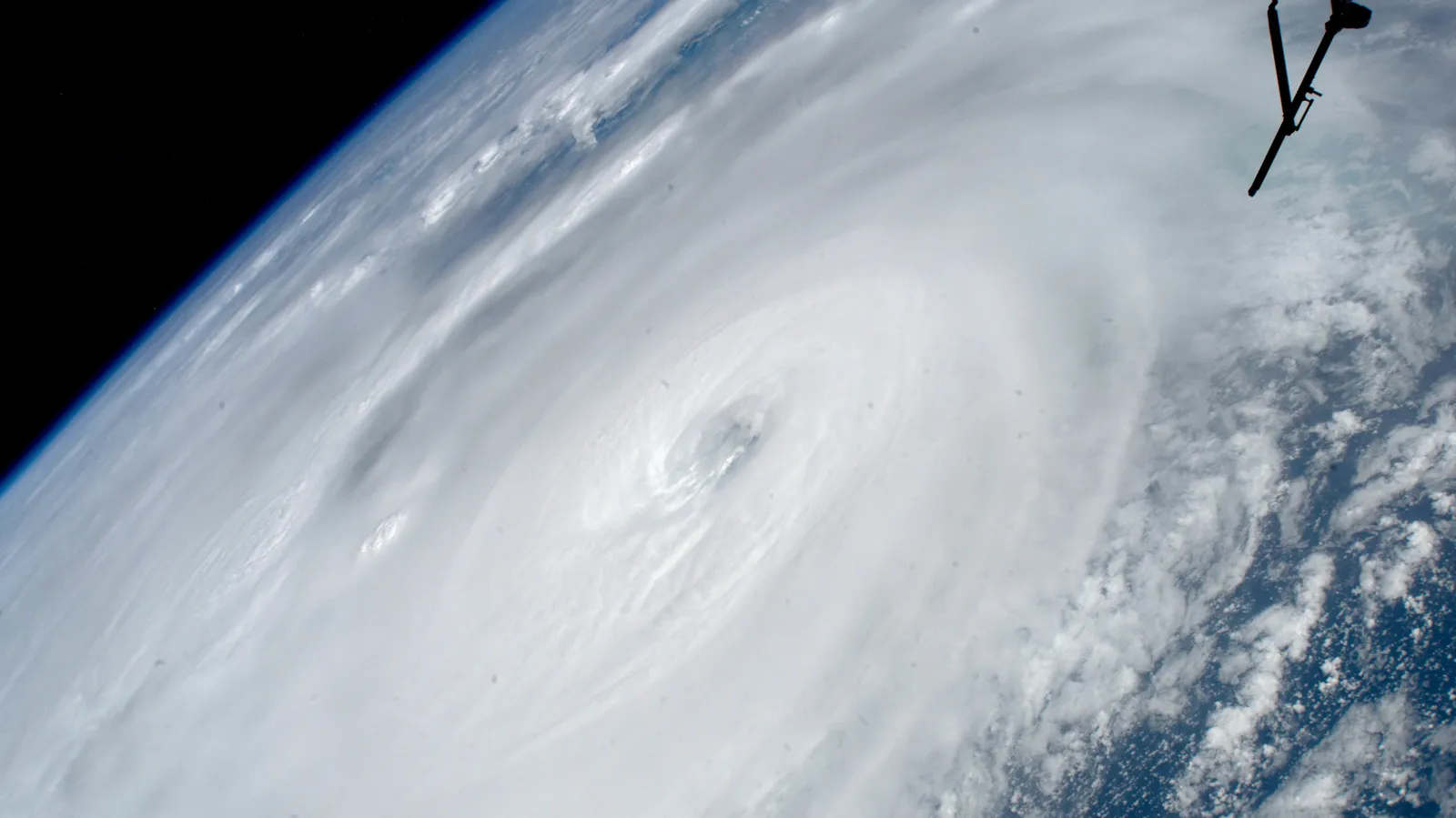
June 1 to November 30, with the statistical peak on September 10. Those are the National Hurricane Center’s dates, and they are the only part of hurricane prep that is knowable in advance. Everything else — which storm, which track, how much time you get — is a coin flip you have to have already prepared for.
The useful way to think about it: there is a June job and there is a 48-hour job. The June job is paperwork, photographs, and buying the straps before the hardware store is empty. The 48-hour job is physical, and it is only manageable if the June job is done. Below is what each side of the building looks like.
The calendar you are working against
The National Hurricane Center’s climatology page (accessed September 2026) puts the average Atlantic season at 14 named storms, seven hurricanes, and three major hurricanes over the 1991–2020 baseline, with “the peak of the Atlantic hurricane season is September 10, with most activity occurring between mid-August and mid-October.”
That window matters for a specific local reason: it lands squarely in the months when boats are used least and thought about least. The machine that has not moved since June is the machine nobody remembers to strap down. Our month-by-month Southwest Florida calendar has the rest of the year mapped the same way.
Boats and personal watercraft
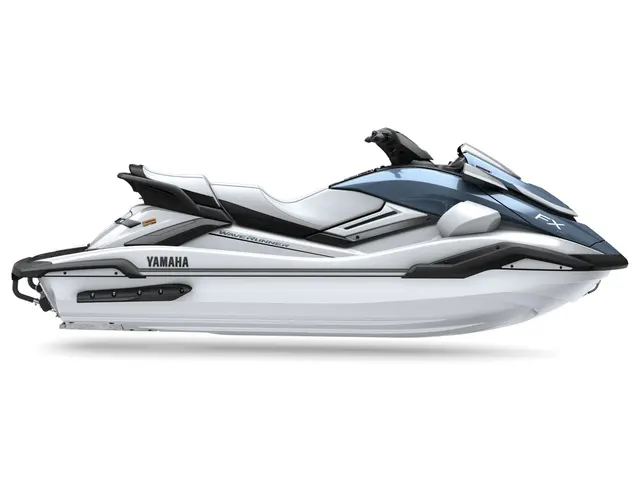
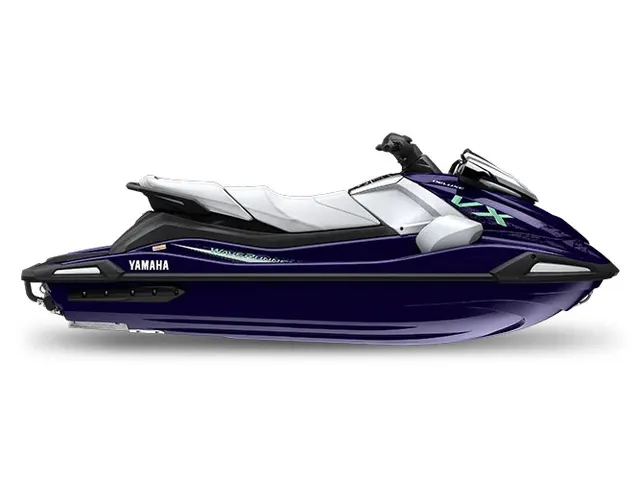
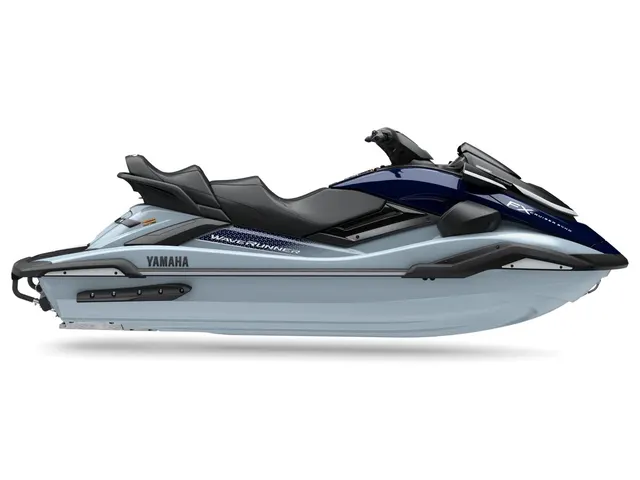
If it fits on a trailer, it comes out of the water. That is the whole strategy for most of what leaves the Bonita Springs and Estero ramps. A trailer boat or a personal watercraft that is inland, on its trailer, with the tongue chained to something immovable, survives storms that destroy the same hull left on a lift.
The 48-hour list for a trailerable boat or PWC:
- Strip everything that catches wind. Bimini, canvas, covers, cushions, electronics, fenders, the cooler nobody has emptied since April.
- Pull the drain plug and leave it out so the hull cannot fill with rain and overload the trailer axle.
- Disconnect and remove the battery. Take it inside; a wet battery box is a dead battery and a corroded tray.
- Top the fuel tank to limit condensation, and check that the vent is clear.
- Check the trailer tires, including the spare, because storm evacuation is the worst possible time to find a flat.
- Park it inland and low. Against a building on the leeward side beats an open lot. Under a tree beats nothing, right up until you remember what wind does to trees.
For anything staying in a slip or on a lift, the marina contract and the insurance policy generally control the decision, and both were written months before the storm. Doubled lines with real chafe protection at every contact point, all canvas off, and everything below decks secured is the baseline. Read your dock agreement now — many of them impose a removal obligation once a watch is issued.
Vessel paperwork is worth having in the same folder as the photographs. Florida titles and registers vessels used or stored on its waters, with the registration expiring on the owner’s birthday; the details are on our Florida boat registration and titling guide.
Motorcycles and scooters
A motorcycle is the easiest machine on this list to protect and the one most often left where it sits. Get it indoors — a garage, a storage unit, anywhere with a roof and a door. A bike on a side stand on a soft, saturated lawn will lie down; on a hard floor it will not.
Before it goes away: fill the tank and add stabilizer if it will sit more than a month, put the battery on a tender or pull it, cover it with something breathable rather than a plastic tarp that will hold water against the tank, and leave it in gear with the steering locked. Do not chain it to the garage door track; the track loses.
The one thing worth doing that most people skip is photographing the odometer and the VIN plate. Insurers ask; phones forget.
ATVs and side-by-sides
This is the category with two jobs. Before the storm, a quad or side-by-side is cargo to be protected like anything else: fuel stabilized, battery tended or pulled, machine indoors or strapped down, winch line spooled and dry.
After the storm, it becomes the most useful thing you own. A side-by-side with a dump bed and a winch will go down a driveway that a pickup cannot, which is the whole argument for one in this county. Load it with the chainsaw, the fuel can, gloves, eye protection, a real first-aid kit, and more drinking water than you think you need, and keep the winch line and a tow strap where you can reach them without unloading the bed.
After the water goes down
Ready.gov (accessed September 2026) puts the two rules plainly: “Do not wade in flood water, which can contain dangerous pathogens that cause illnesses,” and “Do not touch electrical equipment if it is wet or if you are standing in water.” Both apply to a flooded garage with a battery-equipped machine in it.
For anything that took water, the single most important thing is what you do not do: do not try to start it. Cranking an engine that has water in the cylinders, the airbox, or the crankcase turns a repairable machine into a replaceable one. The same goes for a wet electrical system under load.
Salt water is a different and worse problem than rain water, because it keeps working after it dries. If a personal watercraft or a boat took a surge, the flush and the corrosion inspection are urgent, not next-weekend jobs — the routine is in our PWC saltwater maintenance guide, and the post-flood version of it is more aggressive.
Document before you clean. Photographs of a mud line inside a hull or a water line on a frame rail are evidence; a pressure-washed machine is a story.
When to call the service department
Call before you turn a key if a machine sat in standing water, if it took salt spray and has been sitting since, if the battery was submerged, or if a trailer took a hit and the axle or coupler looks off. Those are all cheaper to diagnose than to repair after a start attempt.
Call after the season, too. The machines that come through the Trailhead and the Boathouse service bays in December are mostly ones that sat untouched from July through November with old fuel and a flat battery, which is a fixable problem and an avoidable one.
Laws current as of September 2026; verify with FWC/FLHSMV before you ride or launch. General information, not legal advice.
Bonita Springs, (239) 799-2229 — storm prep, post-storm inspections, and winter service.
Quick answers
- When is hurricane season in Florida?
- The Atlantic hurricane season runs June 1 to November 30. The National Hurricane Center puts the statistical peak at September 10, with most activity between mid-August and mid-October, so the highest-risk weeks are the ones people are least likely to be thinking about their boat.
- Should I leave my boat in the water or haul it for a hurricane?
- If it fits on a trailer, get it out and inland — a trailer boat is the easiest machine on this list to protect. For anything staying in a slip or on a lift, your marina contract and your insurance policy usually dictate the answer, and both are written well before the storm forms.
- Do I need to take my jet ski off the lift before a hurricane?
- A personal watercraft on a trailer, in a garage, is far safer than one on a lift. Lifts fail in surge and wind, and a PWC that comes off one becomes debris. If you cannot move it inland, at minimum strip the cover, drain it, disconnect the battery, and document its condition.
- Can I drive my side-by-side on the road after a hurricane to clear debris?
- The road rule does not suspend itself after a storm. Florida bars off-highway vehicles from public roads, with a narrow daytime exception that covers ATVs only on unpaved roads posted under 35 mph — side-by-sides are not included. Emergency conditions do not change that.
- What should I photograph before a hurricane?
- Every side of every machine, the hull identification number or VIN, the engine hours, the trailer, and the storage location, all with the date visible. Add the registration and insurance documents. Ready.gov advises documenting property damage photographically; having the before pictures is what makes the after pictures worth something.