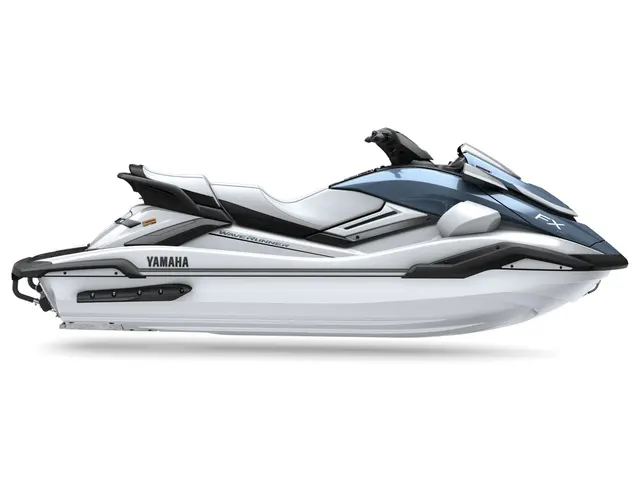
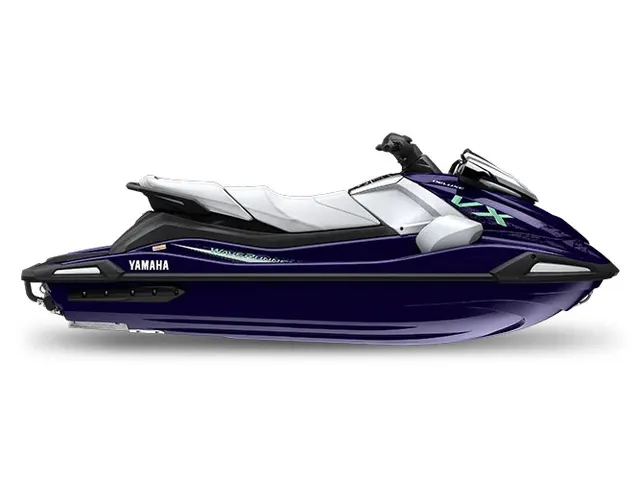
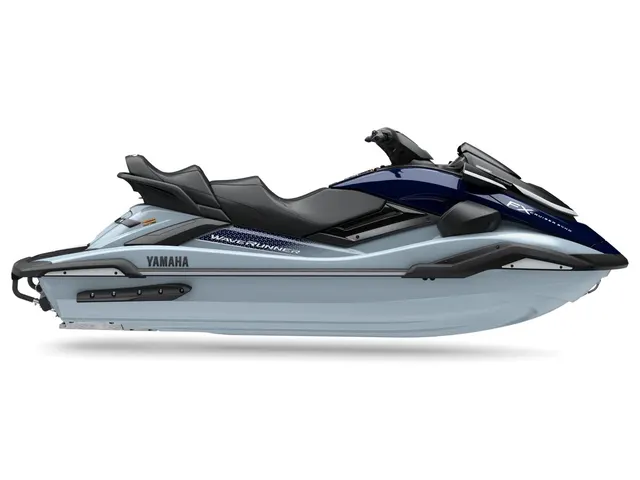
Florida Rules · The Boathouse
How to Register and Title a Boat or PWC in Florida (Lee and Collier County Edition)
Thirty days, one counter, and a decal that has to sit on the port side within six inches of your numbers. The paperwork is simple after somebody explains it once.
By The Outpost CrewUpdated 7 min read
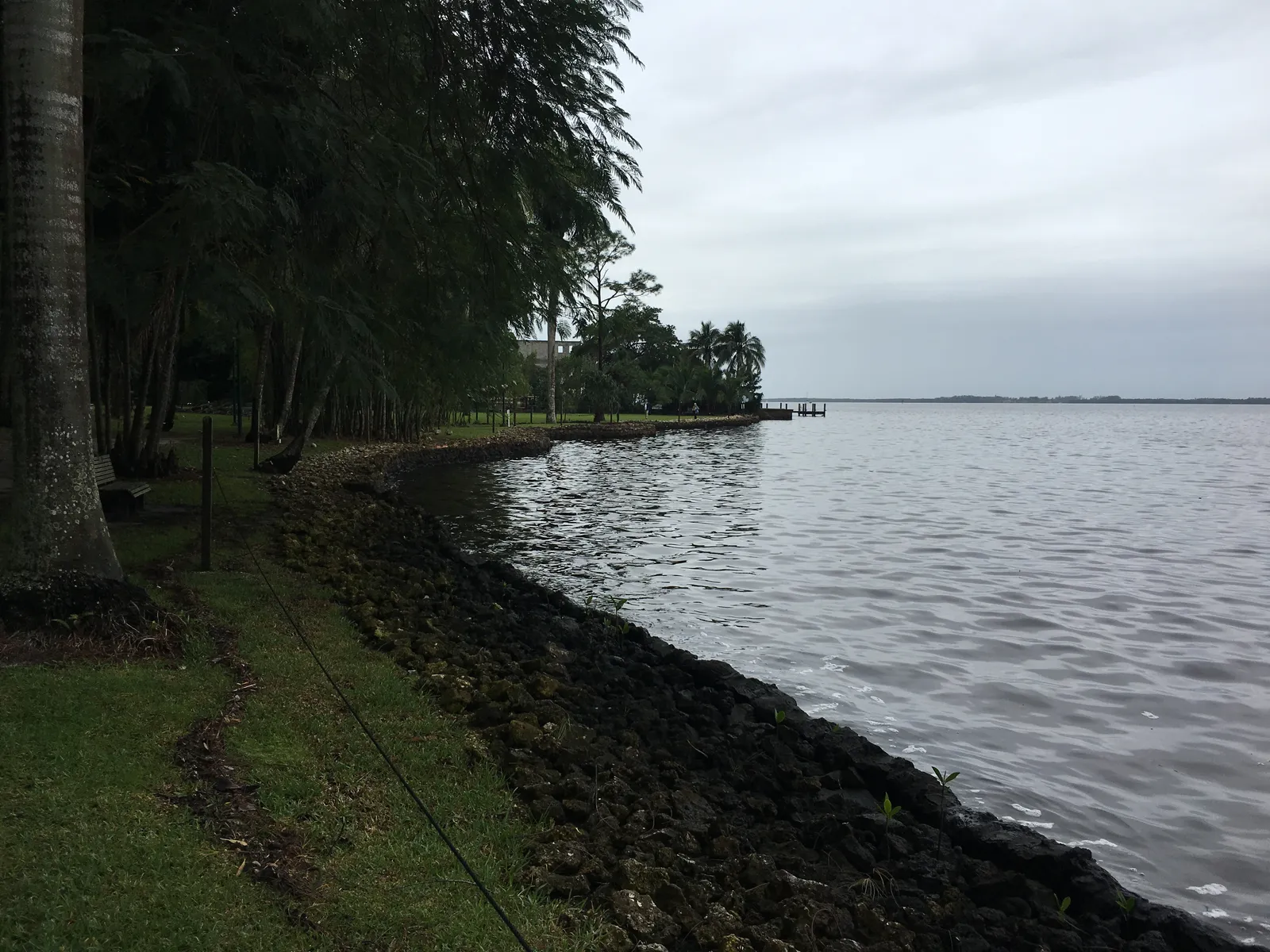
Florida gives you 30 days. A vessel used or stored on Florida waters must be titled and registered, and the application goes in not later than 30 days — § 328.03, Fla. Stat. (2026). You do it at your county tax collector, not at a state office and not online at FWC. Your registration then runs on your birth month for as long as you own the boat.
That is the whole shape of it. A personal watercraft (PWC) is a vessel under this rule exactly like a 24-foot pontoon is, and it gets the same numbers, the same decal, and the same deadline.
If you bought new from a Florida dealer, most of this already happened without you. The rest of this page is for everyone else: private-party buyers, out-of-state arrivals, and anyone who has been carrying a renewal notice around in the truck since June.
Who this applies to
Anybody whose vessel is used or stored on Florida water. Not just Florida residents — the snowbird who leaves a boat on a lift in Bonita Springs from November to April is storing it here.
It applies to motorized vessels of every size, from a rec-lite PWC to a tritoon, and it applies to some things people assume are exempt. The clearest example: a kayak is exempt right up until you bolt a trolling motor to it, at which point § 328.72, Fla. Stat. (2026) reaches “all canoes to which propulsion motors have been attached” and it becomes a registered Class A-1 vessel.
What you need at the counter
Bring more than you think you need and you will only make the trip once:
- Proof of ownership. The manufacturer’s statement of origin for a new vessel, or the properly assigned Florida title for a used one. An out-of-state title comes with the vessel for verification.
- A bill of sale showing the purchase price and the date. The date is what starts your 30 days, and the price is what the sales tax is calculated from.
- Photo identification.
- Proof of sales tax paid, or be ready to pay it at transfer. Private sales of titled vessels are still taxable — the tax is collected when the title changes hands, not waived because no dealer was involved. The county-by-county math is in our Florida sales tax guide.
- Hull identification number. Have it written down. It is usually on the transom or the starboard side of the hull.
For a vessel documented with the U.S. Coast Guard, the Lee County Tax Collector asks for the Certificate of Documentation, or proof of application if it is still pending, and issues a Florida registration only — no state title.
Where you go
The county tax collector. Vessel registrations are handled at Lee County Tax Collector service centers or its partner tag agency, with appointments available. Collier County residents use the Collier County Tax Collector.
If you bought the boat or PWC new from a Florida dealer, the Lee County Tax Collector’s own guidance is that “the dealer usually processes the certificate of title.” That is what happens at Power Lodge: the paperwork leaves with the machine and the title work goes through the dealership. The part you still own is the renewal, every year, on your birthday.
What does boat registration cost in Florida?
State registration fees are set by vessel class, which is set by length. These are the state fees under § 328.72, Fla. Stat. (2026), before county fees and service charges:
| Class | Vessel length | State fee |
|---|---|---|
| A-1 | Under 12 feet, and all canoes with motors attached | $5.50 |
| A-2 | 12 feet to under 16 feet | $16.25 |
| 1 | 16 feet to under 26 feet | $28.75 |
| 2 | 26 feet to under 40 feet | $78.25 |
| 3 | 40 feet to under 65 feet | $127.75 |
| 4 | 65 feet to under 110 feet | $152.75 |
| 5 | 110 feet and over | $189.75 |
A three-seat PWC sits in Class A-1 or Class A-2 depending on hull length — most recreation hulls run just under 12 feet, while the stretched fishing models clear it — which is why two machines in the same garage can carry different fees.
Those are not your totals. County fees and service charges are added on top, and title fees are separate again. Rather than print a number that will be wrong by the time you read it, use the Lee County Tax Collector fee page (accessed September 2026) to estimate before you go.
Numbers and decals
Florida is specific about how the registration is displayed, and it is the most commonly failed part of the whole process — § 328.48, Fla. Stat. (2026):
- The Florida registration number goes on both sides of the forward half of the vessel.
- Characters are plain block letters and numerals at least three inches high, in a color that contrasts with the hull.
- The validation decal goes on the port side, within six inches of the registration number.
On a PWC the forward half is a curved, badged, sponsor-stickered mess, which is why so many machines around here carry their numbers crooked or too small. Lay them out before the adhesive touches the hull, and keep them off the graphics if you care about resale.
The registration certificate itself stays aboard. A dry bag in the front hatch is the only sensible place for it on a PWC.
Renewal and your birth month
Your registration expires on the birthday of the first owner listed on it. Vessels owned by a company expire June 30 instead — § 328.72, Fla. Stat. (2026).
The Lee County Tax Collector mails a courtesy renewal notice about three weeks before the owner’s birth month. Courtesy is the operative word: the notice not arriving is not a defense, and mail forwarding for a seasonal address is exactly how people end up riding on an expired decal in March.
Trailers
The trailer is a separate registration with its own rules, and it is where Florida is friendlier than people expect.
| Trailer | Requirement | State annual fee |
|---|---|---|
| Private trailer, net weight under 500 lbs | Register annually, no title | $6.75 |
| Private trailer, net weight 500 lbs and over | Register annually, no title unless 2,000 lbs or more | $3.50 plus a per-hundredweight charge |
| Trailer with net weight 2,000 lbs or more | Title required in addition to registration | Per FLHSMV fees |
The 2,000-pound line comes from § 319.20, Fla. Stat. (2026), which says chapter 319 does not apply to a trailer having a net weight of less than 2,000 pounds. Single and double PWC trailers sit well under that, so they register and never get a title. A big tandem-axle boat trailer can cross it. Once the plate is on it, the hitch-and-ramp side of ownership is in our trailering and launching guide.
One tax note worth money: when a boat and its trailer are sold to the same buyer at the same time, Florida taxes them as a single item — § 212.054, Fla. Stat. (2026). That matters because the county discretionary surtax reaches only the first five thousand dollars of any single item. The county-by-county math is in the sales tax guide.
What changed in 2025 and 2026
The Boater Freedom Act (ch. 2025-35, Laws of Fla. — SB 1388), effective July 1, 2025, added something new to the registration counter: the Florida Freedom Boater decal, issued at registration or renewal when you show that your safety equipment complies, and displayed within six inches of the vessel registration decal — § 327.70, Fla. Stat. (2026). The same act ended vessel stops made solely to conduct a safety inspection without probable cause.
Ask for the decal when you renew. It costs you a conversation about equipment you should be carrying anyway — the full list is in what you must carry on a PWC.
The crew’s take
Do the whole errand in one morning: title and registration at the tax collector, then the boating safety card if you were born on or after January 1, 1988, because that one has its own rules and its own 90-day clock after purchase.
Then take a photo of the registration certificate and the decal placement before the boat leaves the driveway. Every spring somebody stands at our counter trying to remember whether the decal is port or starboard. It is port, six inches from the numbers, and now you never have to ask. If you are still shopping, The Boathouse has the machines and buying your first jet ski here has the rest of the decision.
Laws current as of September 2026; verify with FWC/FLHSMV before you ride or launch. General information, not legal advice.
Power Lodge Florida handles new-vessel title work in house.
Quick answers
- Do you have to register a jet ski in Florida?
- Yes. A personal watercraft is a vessel. If it is used or stored on Florida waters it must be titled and registered, and the application goes in not later than 30 days at your county tax collector.
- How long do you have to register a boat in Florida?
- Thirty days. Section 328.03 requires the title and registration application not later than 30 days after you take ownership. Buy from a Florida dealer and the dealer usually processes the certificate of title for you.
- When does a Florida boat registration expire?
- On the birthday of the first owner listed on the registration. Companies expire June 30. The Lee County Tax Collector mails a courtesy renewal notice roughly three weeks before the owner birth month.
- Do kayaks and canoes have to be registered in Florida?
- Not if they are human powered. Non-motor-powered vessels under 16 feet are exempt, and canoes, kayaks, racing shells, and sculls of any length are exempt. Bolt on a trolling motor and it must be registered as a Class A-1 vessel.
- Does a boat trailer need a title in Florida?
- Only at 2,000 pounds net weight or more. Chapter 319 does not apply to a trailer with a net weight of less than 2,000 pounds, so most single PWC trailers register annually without a title.
- Where do you register a boat in Lee County?
- At a Lee County Tax Collector service center or its partner tag agency, by appointment. Collier County residents use the Collier County Tax Collector. Registration fees are based on the length or use of the vessel, with county and service fees on top.