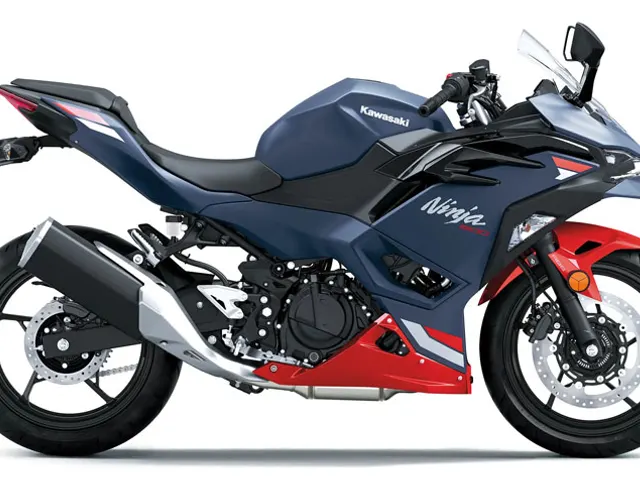
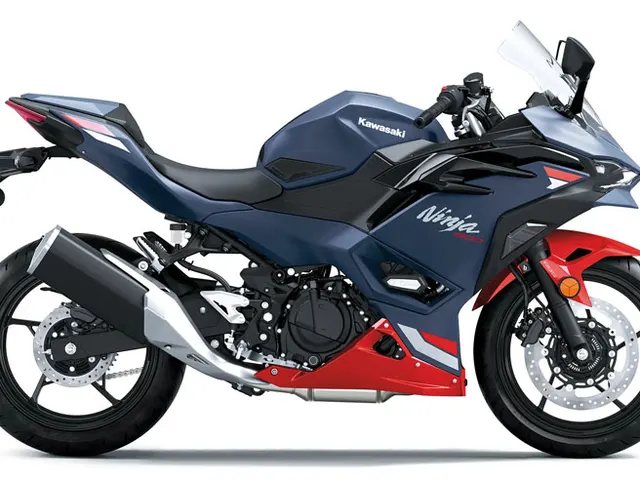
Head-to-Head · The Stable
Kawasaki Ninja 500 vs Yamaha YZF-R3: Which First Sportbike Should You Buy?
Both are on the same floor, a few hundred dollars apart. The deciding factor is not the badge — it is your inseam and your commute.
By The Outpost CrewUpdated 7 min read
How this review was built: from Kawasaki's published specs, professional road tests, owner reports, and what the Power Lodge crew sees on the showroom floor and in the service bay — not a first-hand test ride. Prices are MSRP unless the live listing below says otherwise.How we review →
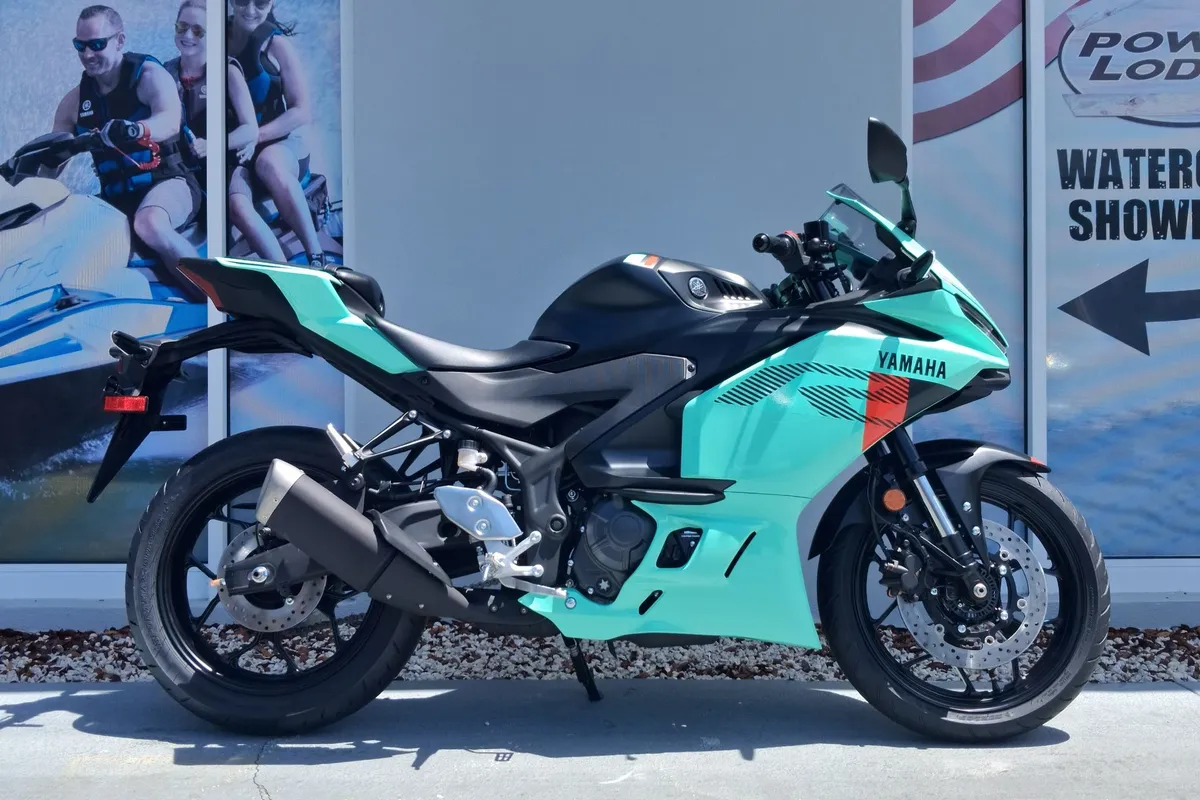
Buy the Kawasaki Ninja 500 if you will spend real time at 70 mph, if you are average height or taller, or if you want one bike for the next three years. Buy the Yamaha YZF-R3 if you are shorter or lighter, if your riding is city and back roads, or if you want the sharper, more finely finished small motorcycle for less money.
That is the whole comparison, and it is not close for any individual rider — it just splits the field almost evenly. These two have been the beginner-sportbike answer on every rider forum for two years running, they are separated by $300 at MSRP — up to $700 between the cheapest units as listed — and both are on the Power Lodge floor in September 2026: six 2026 Ninja 500 ABS units plus two SEs, and three 2026 YZF-R3s.
What follows is where the money and the millimeters actually go.
The short version
- Power: Kawasaki publishes 51.0 hp and 31.7 lb-ft for the 451cc twin. Yamaha publishes nothing for the 321cc twin; press tests report roughly 42 hp. The gap is real and it lives in the mid-range.
- Weight and reach: R3 is 373 lb wet with a 30.7-inch seat. Ninja 500 ABS is 377.1 lb curb with a 30.9-inch seat. Close on paper, and the R3 feels lighter than four pounds’ worth.
- Tech: Both get ABS and an assist and slipper clutch. Neither gets traction control. The R3 has Y-Connect and a USB-A socket; the Ninja 500 SE has a 4.3-inch color TFT.
- Price: R3 lists at $5,499 MSRP; the Ninja 500 ABS starts at $5,799 MSRP. Both brands add a $650 destination charge on top. On our floor, R3s are listed from $5,099 and Ninja 500 ABS units from $5,799.
- Verdict: highway margin versus lightness. Pick the one that matches your route.
| Spec | 2026 Kawasaki Ninja 500 ABS | 2026 Yamaha YZF-R3 |
|---|---|---|
| Engine | 451cc liquid-cooled parallel twin | 321cc liquid-cooled parallel twin |
| Horsepower | 51.0 hp @ 10,000 rpm (Kawasaki published) | Not published by Yamaha; roughly 42 hp in press tests |
| Torque | 31.7 lb-ft @ 7,500 rpm (Kawasaki published) | Not published by Yamaha |
| Transmission | Six-speed, assist and slipper clutch | Six-speed, assist and slipper clutch |
| Seat height | 30.9 in | 30.7 in |
| Weight | 377.1 lb curb (ABS); 382 lb (SE ABS) | 373 lb wet |
| Fuel capacity | 3.7 gal | Not published on the Yamaha model page |
| ABS | Standard on ABS and SE ABS | Standard |
| Traction control | Not fitted | Not fitted |
| Display | LCD; 4.3-in color TFT on SE ABS | LCD with Y-Connect smartphone display |
| MSRP (2026) | From $5,799 (ABS); $6,499 (SE ABS); plus $650 destination | $5,499 plus $650 destination |
| On our floor, September 2026 | Six ABS listed $5,799–$5,999; two SE listed $6,199–$6,499 | Three listed $5,099–$5,499 |
Source: kawasaki.com. Specs and pricing are the manufacturer's published figures and can change by model year.
Engine: 130cc is more than it sounds
This is the difference that decides the comparison, and it is bigger in practice than the displacement gap suggests.
The Kawasaki Ninja 500’s 451cc twin makes a published 31.7 lb-ft at 7,500 rpm, and — this is the part that matters — most of that is available a long way below the peak. You can leave it in fourth at 45 mph on Bonita Beach Road and roll on. Kawasaki deliberately built past Europe’s 47-horsepower A2 licensing ceiling for the US market, which is why the bike has mid-range that its class normally does not.
The Yamaha YZF-R3’s 321cc twin works differently. It makes its power up high, so short-shifting it feels flat and revving it feels terrific. There is a real top-end rush the Kawasaki does not quite deliver, and there is real work required to get to it. On a back road with a gearbox you enjoy using, that is a feature. Merging onto I-75 behind a semi, it is not.
Yamaha does not publish a horsepower figure for its US street bikes, so every number you will see for the R3 comes from press testing. Kawasaki does publish, with footnotes. That asymmetry is worth knowing when you compare spec sheets from anywhere.
Advantage: Ninja 500, decisively, for anyone whose riding includes sustained speed. Advantage: R3 for a rider who wants to use all of a motorcycle at legal speeds, which is a genuinely underrated pleasure.
Ride and handling
On paper they are the same bike: four pounds and two-tenths of an inch apart. On the showroom floor they feel different.
The R3 is narrower where it counts and steers with less effort — the quality reviewers have credited since the 2019 chassis revision, and the reason new riders describe learning faster on one. The trade is a more committed riding position: more weight through the wrists, more forward lean.
The Ninja 500 is roomier. Raised clip-ons, a seat you can shift around on, pegs that do not fold a taller rider up. RideApart’s review of the platform called the rear suspension unusually planted for the money — worth something over Florida expansion joints, which expose cheap suspension quickly.
Suspension is where owners split. The R3’s fork is soft and is the first thing experienced riders change. The Ninja 500’s rear end is the class benchmark. Neither is adjustable in any way that matters, and neither needs to be for a first year.
Advantage: R3 on steering effort and low-speed manageability. Advantage: Ninja 500 on ride quality and room.
Comfort, wind, and tech
Both are small sportbikes with small fairings, so neither is a touring machine. But there is a clear order.
At sustained highway speed the R3 buzzes. Owners are consistent about it: at interstate pace the twin is working near the top of its useful range, and you feel it in the bars and pegs. The Ninja 500, with 130 more cubic centimeters doing the same job at lower revs, is calmer. Wind protection is limited on both and better on neither in any way you would notice.
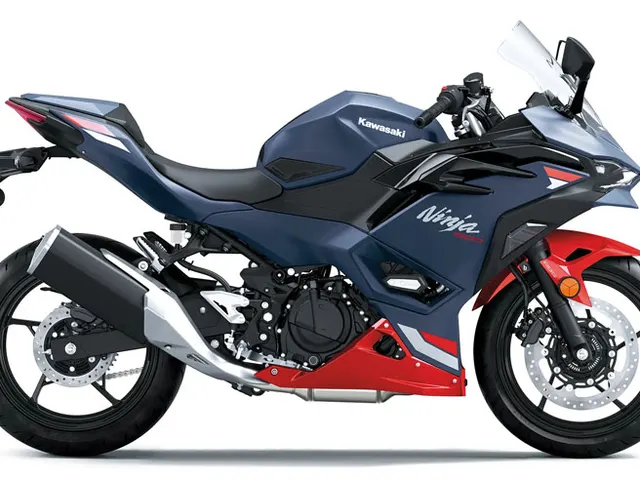
Tech is close to a wash. Both get ABS and an assist and slipper clutch, and neither gets traction control — the most common owner complaint about the Ninja 500, and a fair one at this price. The R3 adds Y-Connect smartphone connectivity, a phone-information display, and a USB-A socket as standard. The Ninja 500 base model runs an LCD; the Ninja 500 SE ABS upgrades to a 4.3-inch color TFT with smartphone connectivity plus cosmetic and convenience trim for $700 more at MSRP, and adds about five pounds.
If dash technology is what you care about, the R3 gives it to you at the lower price and the Ninja 500 charges for it. That is the one place where the value argument flips.
Price and ownership
Yamaha lists the 2026 YZF-R3 at $5,499 MSRP plus $650 destination. Kawasaki lists the 2026 Ninja 500 family from $5,399, with the ABS models from $5,799 and the SE ABS at $6,499 — plus Kawasaki’s own $650 destination charge.
On our floor in September 2026: three 2026 R3s listed at $5,099 to $5,499, six 2026 Ninja 500 ABS listed at $5,799 to $5,999, and two 2026 Ninja 500 SE ABS listed at $6,199 to $6,499. Freight, prep, tax, and tag are separate on all of them, so compare out-the-door numbers rather than these.
Ownership costs run close. Both take the same consumables on roughly the same schedule, both are cheap to insure relative to a supersport, and both hold value well because there is a permanent queue of new riders shopping this exact pair. Kawasaki owners report the original-equipment tires wear quickly; R3 owners report the fork is the first upgrade. Neither is expensive.
On recalls: for the 2026 model year, none found in the NHTSA database as of September 2026 for either bike. There is one campaign of note on the Kawasaki side — NHTSA 25V146000, an improperly welded clutch release shaft on 2024 Ninja 500 units that can cause the clutch lever to break apart, which does not affect the 2026 bikes. Older R3 model years carry their own history. Run the specific VIN at nhtsa.gov/recalls before you buy anything.
What decides it in the showroom
Spec sheets flatten the two things that actually separate these bikes, and both are settled in about ten minutes with your feet on the floor.
The first is seat width. Two-tenths of an inch of seat height is nothing; how wide the seat is at the point your legs go over it is everything, and the R3 is the narrower motorcycle there. A rider who is borderline on inseam will often flat-foot the Yamaha and tiptoe the Kawasaki, despite the numbers suggesting they are the same.
The second is where the bars put your wrists. The Ninja 500 is the more upright of the two by a useful margin, and after 40 minutes on the Tamiami Trail that margin is the difference between a good afternoon and a sore one. The R3 asks for a little more commitment, which some riders enjoy and others resent by month three.
Neither is a flaw. They are two different answers to the same question, and your body already has an opinion about which is right. Sit on both before the spec sheet gets a vote.
Which one for which rider
Buy the Ninja 500 if: you are five foot seven or taller, your week includes I-75 or Alligator Alley, you will carry a passenger occasionally, or you want to buy once and not trade up. Also buy it if you tend to lug engines rather than rev them, because it forgives that and the R3 does not.
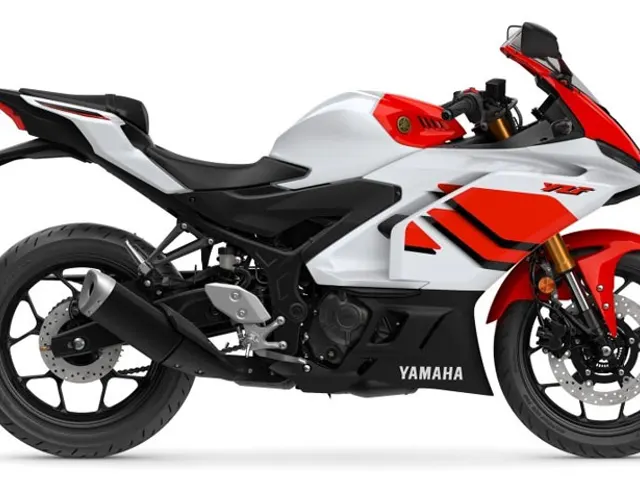
Buy the R3 if: you are shorter or lighter, your riding is Bonita Springs to Naples on surface streets, you want the lowest price on our floor for a new sportbike with ABS, or you like a motorcycle that asks you to work for it. Also buy it if the 70th Anniversary White and Red livery is the reason you are here, which is a better reason than people admit.
Buy the Ninja 500 SE only if you want the color TFT specifically. It is the same motorcycle otherwise.
Buy neither if you cannot flat-foot at roughly 30.7 inches. That is not a defeat — the Kawasaki Eliminator ABS runs the exact same 451cc engine as the Ninja 500 with a 28.9-inch seat, and the Honda Rebel 300 sits at 27.2. Both are on the floor and both are covered in the beginner buyer’s guide.
Detail on each bike is in the Kawasaki Ninja 500 review and the Yamaha YZF-R3 review. If the endorsement is still ahead of you, the Florida motorcycle endorsement guide is the first step, and our full method is on how we review.
Eleven of these two bikes in the building as of September 2026.
Quick answers
- Is the Ninja 500 or the R3 better for a beginner?
- Both are excellent first bikes. The Yamaha YZF-R3 is lighter at 373 pounds with a slightly lower 30.7-inch seat and lists for less. The Kawasaki Ninja 500 has more torque and more highway margin. Shorter or lighter riders lean R3; riders with a highway commute lean Ninja 500.
- Is the Ninja 500 faster than the R3?
- Yes. Kawasaki publishes 51.0 horsepower and 31.7 lb-ft for the 451cc Ninja 500. Yamaha publishes no figure for the 321cc R3, but press tests put it near 42 horsepower. The Kawasaki has more of everything, especially in the middle of the rev range.
- Which is cheaper, the Ninja 500 or the Yamaha R3?
- The R3. Yamaha lists $5,499 MSRP for 2026 against $5,799 for the Ninja 500 ABS, and both brands add a $650 destination charge. On the Power Lodge floor in September 2026, R3s are listed from $5,099 and Ninja 500 ABS units from $5,799.
- Which has better seat height for a short rider?
- The Yamaha YZF-R3, at 30.7 inches versus 30.9 for the Ninja 500 ABS. That two-tenths of an inch matters less than the R3 being four pounds lighter and narrower where your legs go over the seat. Riders needing under 29 inches should look at a cruiser instead.
- Do either of them have traction control?
- Neither. ABS is standard on both the 2026 Ninja 500 ABS and the 2026 YZF-R3, and neither fits traction control at any trim. The Ninja 500 SE adds a color TFT dash with smartphone connectivity, but no additional rider aids.