Review · The Stable
Kawasaki Ninja 500 Review: The Beginner Sportbike That Does Not Feel Like One
Kawasaki built past Europe's beginner-power cap on purpose. That decision is why this is the first bike most new riders should look at — and why plenty of them never sell it.
By The Outpost CrewUpdated 7 min read
How this review was built: from Kawasaki's published specs, professional road tests, owner reports, and what the Power Lodge crew sees on the showroom floor and in the service bay — not a first-hand test ride. Prices are MSRP unless the live listing below says otherwise.How we review →
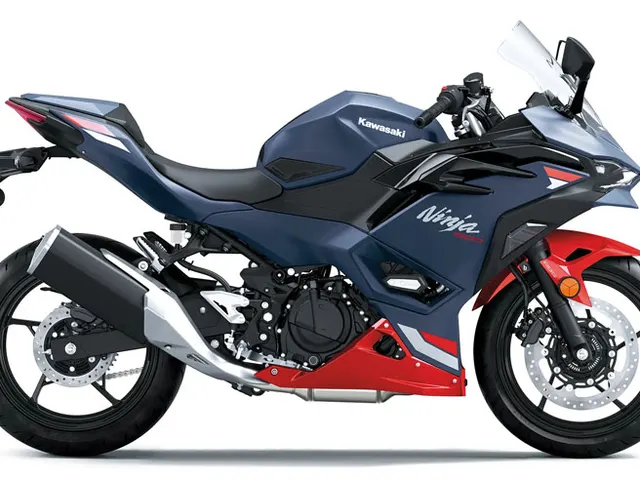
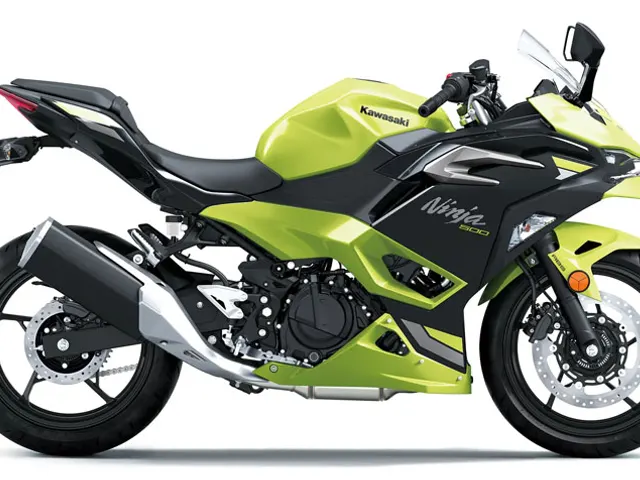
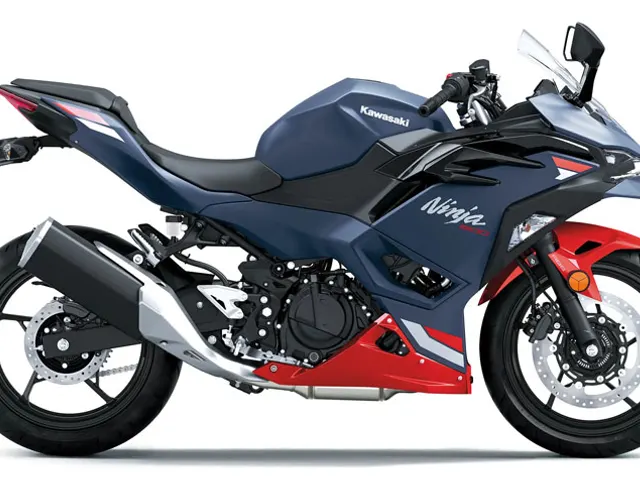
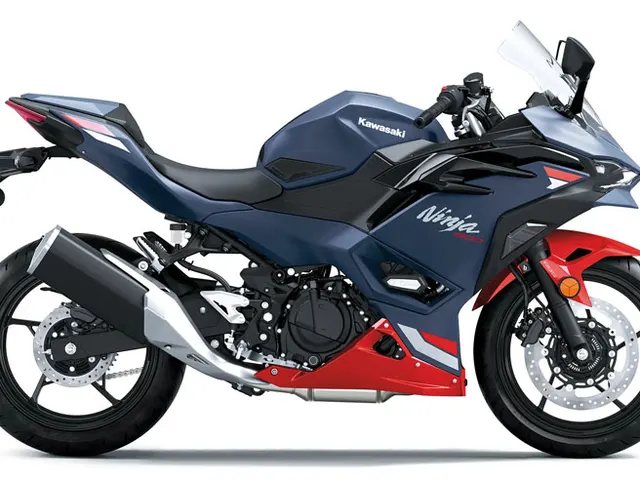
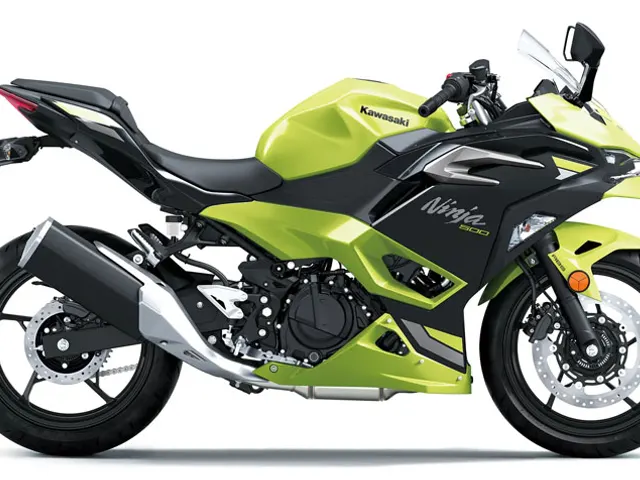
The 2026 Kawasaki Ninja 500 is the small sportbike that stopped feeling small. It is a 451cc parallel twin making a published 51.0 horsepower in a 377-pound motorcycle with a 30.9-inch seat, and it is the single deepest model on the Power Lodge floor — six ABS bikes and two SEs as of September 2026.
Who it is for: a first-time rider who wants a sportbike and does not want to replace it in eighteen months. Who it is not for: a rider under about five foot four who cannot flat-foot 30.9 inches, and anyone who genuinely needs traction control, which this bike does not have at any trim.
The one thing to know is a licensing quirk. Europe’s A2 category caps beginner-legal bikes at 47 horsepower. Kawasaki published 51 for the US Ninja 500 anyway, which means American buyers get a beginner bike that was not detuned to satisfy someone else’s rulebook. You feel it in the mid-range, and the mid-range is where you actually ride.
What the Kawasaki Ninja 500 is
The Ninja 500 replaced the Ninja 400 in 2024, stretched in stroke from 399cc to 451cc on the same basic architecture: a liquid-cooled parallel twin in a steel trellis frame with full sportbike bodywork and clip-ons that are not actually punishing. It sits at the bottom of Kawasaki’s Ninja ladder, below the Ninja 650 and well below the four-cylinder ZX bikes.
Two trims are on the floor. Ninja 500 ABS is the volume bike. Ninja 500 SE ABS adds a 4.3-inch color TFT dash with smartphone connectivity plus cosmetic and convenience trim, and carries a few extra pounds for it. Mechanically they are the same motorcycle — same engine, same frame, same brakes, same suspension. The SE is a dash-and-appearance package, not a performance one, and it is worth saying plainly because the trim names imply otherwise.
The Eliminator shares this engine in cruiser form, which makes the two bikes a genuinely useful pair to sit on back to back.
| Engine | 451cc liquid-cooled DOHC parallel twin, four-stroke |
|---|---|
| Horsepower (Kawasaki published) | 51.0 hp @ 10,000 rpm |
| Torque (Kawasaki published) | 31.7 lb-ft @ 7,500 rpm |
| Transmission | Six-speed with assist and slipper clutch |
| Seat height | 30.9 in |
| Curb weight | 377.1 lb (ABS); 382 lb (SE ABS) |
| Fuel capacity | 3.7 gal |
| Brakes | Front and rear disc; ABS standard, not adjustable |
| Traction control | Not fitted |
| Display | LCD (ABS); 4.3-in color TFT with smartphone connectivity (SE ABS) |
| MSRP, 2026 family | From $5,399; ABS from $5,799; SE ABS $6,499 |
Source: kawasaki.com. Specs and pricing are the manufacturer's published figures and can change by model year.
Engine and performance: what 51 horsepower actually buys
The number that matters on the Kawasaki Ninja 500 is not the 51 horsepower at 10,000 rpm. It is the 31.7 lb-ft at 7,500, and the fact that most of that torque is available well below it.
In practice that means the bike does not demand gear selection from you. Roll on in fourth at 45 mph and it goes. A new rider who has not yet learned to keep a small engine on the boil will never notice they are riding it wrong, because it does not really have a wrong. That forgiveness is the whole design brief of a modern 450–500 twin, and Kawasaki executed it about as well as anyone.
Against the 400 it replaced, the extra 52cc reads as more shove everywhere rather than a higher ceiling. Against the four-cylinder ZX-4R that sits two rungs up — 399cc, a published 56 horsepower, and a redline that lives near 16,000 rpm — the Ninja 500 is the opposite philosophy. The ZX-4R wants to be wrung out. The Ninja 500 does not care.
The assist and slipper clutch deserves a line of its own. It cuts lever effort, which matters in stop-and-go on US-41, and it stops the rear wheel chattering when a nervous rider grabs two downshifts into a light. That is not a spec-sheet feature. It is the thing that keeps a bad moment from becoming a dropped motorcycle.
On the road
The riding position is the reason this bike converts commuters. Clip-ons, but raised ones; a seat you can move around on; pegs that do not fold you up. Riders coming off nothing at all find it neutral rather than aggressive, and riders coming down from a bigger sportbike find it roomier than the bodywork suggests.
The suspension is the surprise. RideApart’s review of the platform put it directly:
that confidence comes down to the bike’s 51 horsepower and 31.7 lb-ft… Kawasaki has broken away from the European A2 restrictions
The same review described the rear suspension as “far more planted than a bike at this price has any right to.” That reads as marketing until you consider what most sub-$6,000 motorcycles ride like over expansion joints, which is the surface Southwest Florida offers in quantity.
The 3.7-gallon tank is generous for the class and gives real range between fuel stops, which matters more here than it does in a city — the ride from Bonita Springs east on the Tamiami Trail does not have many gas stations, and the ones it has are far apart.
What reviewers and owners say
Three things come up consistently, and only one of them is a complaint about the motorcycle.
The consensus pick. On r/motorcycles and r/SuggestAMotorcycle, the Ninja 500 is the perennial answer to “what should my first bike be,” alongside the Yamaha R3. That is worth something: a bike does not hold that position for two years by accident.
No traction control. The most common owner gripe, and a fair one. Competitors at this price increasingly fit it. Kawasaki’s answer is that ABS covers the failure mode new riders actually hit, and that is largely true, but the omission is real.
Consumables. Owners report the original-equipment tires wear quickly and are the first thing worth upgrading, and that the mirrors blur at higher revs. Neither is expensive to fix.
The praise, from RideApart and the enthusiast press generally, lands on the same place: this is the friendliest full-size-feeling small twin sold, and it does not feel like a compromise bike. The criticism lands on equipment, not behavior.
Living with a Ninja 500 in Southwest Florida
Three local realities.
Heat. A liquid-cooled twin between your knees in August stop-and-go on US-41 is a heat source, and there is no trick that fixes it — only mesh gear, hydration, and route choice. The bike is fine; the rider is the constraint. Our heat and rain playbook covers what actually works.
Salt. If you park within a few miles of the Gulf, the chain and the fasteners are on the clock. Rinse and lube the chain more often than the manual’s mileage interval suggests, because the manual was not written for coastal Florida. Follow Kawasaki’s published service intervals for oil and valves; do not stretch them because the bike is small.
Storms. Afternoon rain from June through September is a scheduling problem, not a riding problem, provided you have ABS and tires with tread. Both are on this bike from the factory, which is one more argument for the ABS model over a used bike without it.
Hurricane season runs June 1 to November 30. If a storm is coming, the bike goes inside, on a stand, with a full tank and a battery tender. That is a two-hour job you will be glad you did.
Recalls and known issues
For the 2026 Kawasaki Ninja 500, none found in the NHTSA database as of September 2026. There is one campaign on the record for the model family: NHTSA 25V146000, covering an improperly welded clutch release shaft on 2024 Ninja 500 units that can cause the clutch lever to break apart. It does not apply to the 2026 bikes on our floor.
Run your own VIN before you buy anything, new or used, at nhtsa.gov/recalls. It takes thirty seconds and it is the only way to be certain about a specific machine.
Price and what is on the floor
Kawasaki’s 2026 Ninja 500 family starts at $5,399 MSRP; the ABS models start at $5,799 and the SE ABS lists at $6,499.
As of September 2026 the Power Lodge floor holds six 2026 Ninja 500 ABS units listed at $5,799 to $5,999 and two 2026 Ninja 500 SE ABS units listed at $6,199 to $6,499. Freight, prep, tax, and tag are additional — ask for an out-the-door figure, because that is the number you are actually comparing.
On the SE question: you are paying $700 at MSRP for the color TFT and trim, though the gap between specific units on our floor runs narrower. If you want the connected dash and phone pairing, decide what that is worth to you. If you do not, put the money into gear or tires.
How it compares
Yamaha YZF-R3 is the direct cross-shop and both are here. The R3 is 321cc, lighter-feeling, revvier, and cheaper; the Ninja 500 has meaningfully more torque and more highway margin. We settled it by rider type in the Ninja 500 versus R3 comparison.
Kawasaki Eliminator ABS is this exact engine in a cruiser, with a 28.9-inch seat. If the sport riding position is the only thing giving you pause, ride the Eliminator before you decide you do not want a 451.
Kawasaki Ninja 650 is the step up: 649cc, 67 published horsepower, and about 425 pounds. Worth it only if you already know you want a bigger bike.
Value shoppers will also look at the CFMOTO 450NK, which undercuts the Ninja on price and adds a TFT as standard. Kawasaki’s counterargument is 51 published horsepower, a service network that has been here for fifty years, and resale you can predict. Both bikes sit on this floor, so it is a comparison you can make with your hands.
Highs
- 51 published hp and 31.7 lb-ft — real highway margin for a beginner bike
- Assist and slipper clutch takes the sting out of clumsy downshifts
- Rear suspension well above the class norm
- 30.9-inch seat and 377 lb curb weight are manageable for most adults
- 3.7-gallon tank gives genuine range
Lows
- No traction control at any trim
- Original-equipment tires wear quickly
- Mirrors blur at higher revs
- Too tall for riders who need to flat-foot under about 29 inches
- SE premium buys a dash, not performance
Everything on this page comes from Kawasaki’s published specifications, professional road tests, owner reports, and what the crew sees on the floor and in the service bay. Our standard is on how we review. If you are not licensed yet, start with the Florida motorcycle endorsement guide — the Basic RiderCourse comes before the bike.
Live inventory and today's price on all eight units.
Quick answers
- Is the Kawasaki Ninja 500 good for beginners?
- Yes, and it is the bike we recommend most often. Kawasaki publishes 51 horsepower and 31.7 lb-ft from the 451cc twin, with a 30.9-inch seat, a 377-pound curb weight, ABS, and an assist and slipper clutch. The power arrives gently and there is enough of it left for highway speeds.
- How fast is the Kawasaki Ninja 500?
- Kawasaki does not publish a top speed. What it does publish is 51.0 horsepower at 10,000 rpm and 31.7 lb-ft at 7,500 rpm, which is comfortably enough to hold the posted 70 on I-75 with throttle in reserve for passing.
- What is the difference between the Ninja 500 and the Ninja 500 SE?
- The SE adds a 4.3-inch color TFT display with smartphone connectivity plus cosmetic and convenience trim, at $700 more at MSRP — listed prices on the floor narrow that gap. The engine, chassis, brakes, and suspension are the same, and the SE is a few pounds heavier.
- Is the Ninja 500 better than the Ninja 400?
- For most riders, yes. The 500 adds 52cc, more torque everywhere in the rev range, and a modernized dash, and the 400 has left the US lineup. If you already own a 400 in good shape, the upgrade case is thinner.
- Does the Kawasaki Ninja 500 have traction control?
- No. ABS is standard on the ABS and SE ABS models sold here, but Kawasaki does not fit traction control at this price. It is the most common complaint owners raise about an otherwise well-equipped bike.