Field Guide · The Boathouse
Trailering and Launching a PWC in Southwest Florida Without the Ramp Drama
Nobody remembers a smooth launch. Everybody remembers the rigging done on the ramp with eleven trailers waiting.
By The Outpost CrewUpdated 6 min read
Yamaha at Power Lodge →Sea-Doo at Power Lodge →Kawasaki at Power Lodge →
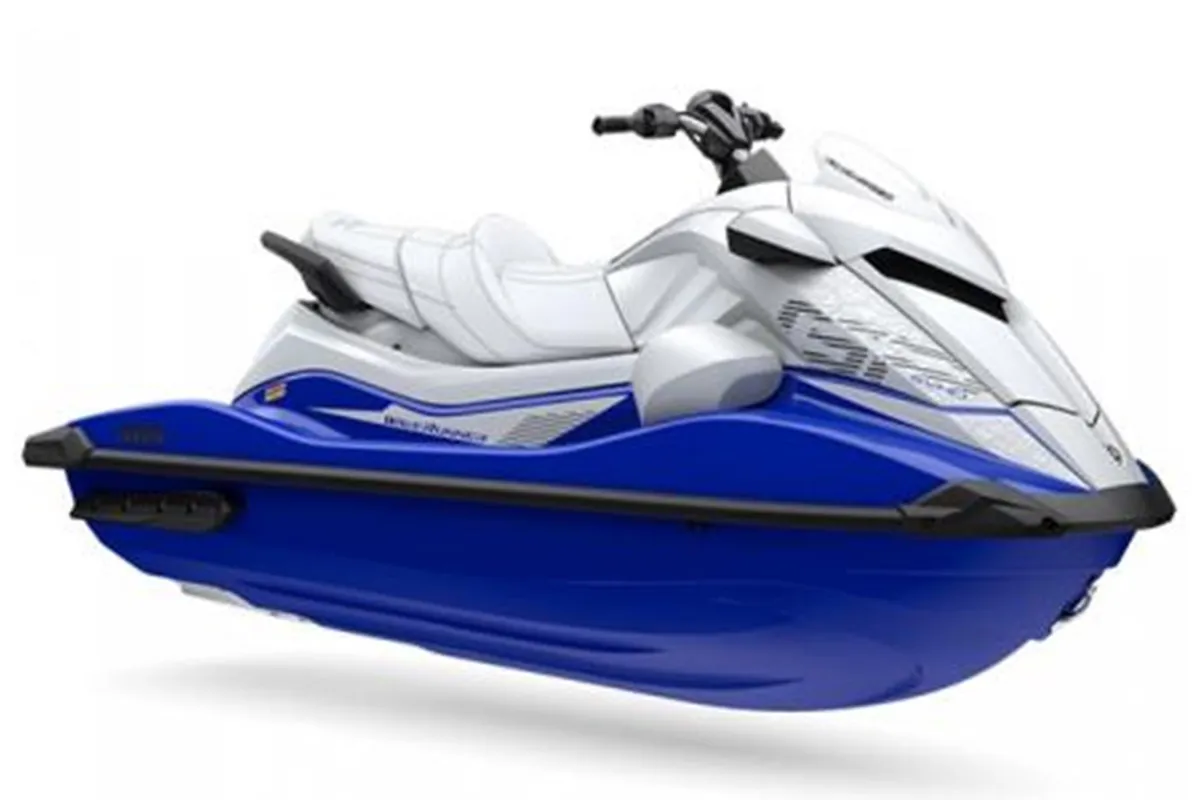
Launching a personal watercraft (PWC) is genuinely easy. What makes ramps stressful is that everything which should have happened in the parking lot happens on the concrete instead, in front of an audience, in February, with eleven trailers waiting.
So the whole skill is sequencing. Prepare in the staging area, use the ramp for 90 seconds, and clear it. Do that and you will look like you have done it a thousand times on your third trip.
Here is the routine, in order, plus the paperwork Florida wants on the trailer and the etiquette that keeps a Lee County ramp moving in season.
The five-minute check before you leave the driveway
Yamaha publishes a pre-launch list for exactly this, and it is the right list regardless of what badge is on your machine:
- Hitch and safety chains secure and properly connected.
- Trailer wires and connections inspected, with the lights actually tested — brake, turn, and running, with somebody standing behind the trailer.
- Tires: tread, pressure, and lug-nut tightness. Trailer tires fail from age and heat here far more than from mileage.
- Winch and winch cable inspected. Yamaha’s guidance is to watch the cable or strap for “cuts, abrasion or chafing” and replace it when it shows any.
- Bunks inspected for damage, and anything sagging or rotted replaced.
- Spare tire mounted to the frame, with the tools to use it in the tow vehicle.
Two more from the same list that belong to the machine rather than the trailer: check the hull for damage, soft spots, or cracks, and — the one that ruins days — “ensure footwells are clear, the bilge is clean and the drain plugs are installed.”
Trailers themselves are a salt-water decision. Both single-PWC trailers on the Power Lodge floor are aluminum, listed at $1,599 and $1,999 as of September 2026. Aluminum and galvanized steel both survive here; painted steel does not, and a cheap trailer is the most expensive thing in this entire guide.
The ramp routine, in order
In the staging area, before you go anywhere near the water. Cover off and stowed. Tie-downs off, winch strap still attached. Drain plugs in. Lanyard clipped where you will not forget it. Life jackets aboard — worn, not stored. Registration in a dry bag in the hatch. Dock line tied to the bow cleat, long enough to hold from shore. Fuel checked. This is also the moment for the cooler, the phone, and the conversation about where you are going.
Back down. Straight, slow, and only as far as you need. The machine should float free; the tow vehicle’s rear tires do not need to be in the water.
Float it off. Release the winch strap with a hand already on the bow line. The machine comes off the bunks with almost no effort, which is exactly why people lose one — hold the line before you release anything.
Get the trailer out. Walk the machine to the courtesy dock or hold it in the shallows, park the truck properly in the trailer spaces, and then come back. Do not leave the trailer on the ramp while you do anything else.
Start it in the water. A PWC engine needs water to cool it. Yamaha’s own warning is not to run the engine more than 15 seconds without a water supply, or it could overheat — which is why the flush is done on a hose fitting and never as a dry test on the trailer.
Launching alone
Solo is normal here and it is not hard. The bow line does all the work: long enough to reach from the machine to where you can stand while the truck is parked, and tied on before you back down.
The order changes only slightly. Back down, hold the line, release the winch strap, let the machine float off, then walk it to the dock and cleat it — or, at a ramp with no courtesy dock, walk it up onto the sand or shallow shoulder beside the ramp and leave it where the wind will push it toward land rather than away from it. Then park, walk back, and go.
The one thing worth practicing before you need it is holding the machine against a crosswind on the line. Every PWC is a sail. Ten pounds of wind on the hood is more force than most people expect the first time.
Retrieving without an audience
Retrieval is the launch backwards, and the same rule governs: nothing but retrieval happens on the ramp.
Wait your turn out of the way rather than idling in the lane. Back the trailer in, drive the machine on gently under its own power or winch it on, hook the strap, and pull it straight up the ramp and out of the way. Everything after that — straps, cover, draining, rinsing off the worst of the salt if the ramp has a hose — happens in the parking lot.
Ramp etiquette in season
From December through February the seasonal crowd arrives in force and the ramps show it. Lee County’s public ramps are free to enter with parking at ten dollars or less per day (Lee County Parks & Recreation, Boat Ramps, accessed September 2026), which is not the constraint — trailer parking and daylight are.
Three habits cover almost all of it. Arrive ready, because the person who prepares on the ramp costs 20 people ten minutes each. Take one lane, not two. And be generous with the boat behind you: holding a line for somebody launching alone takes 30 seconds and is how this works.
For where to actually put in, our where to ride guide names the Lee County public ramps at the Imperial River in Bonita Springs, Punta Rassa on San Carlos Bay, and Matlacha on Pine Island Sound, with the county page as the source for hours and fees. Check the county listing before you drive rather than an old blog post — ramp hours and fees change, and closures happen.
The paperwork: your trailer needs its own plate
The full errand — vessel title, registration, decal placement, and the trailer — is in our registration and titling guide. One detail from it worth knowing at purchase: when a vessel and its trailer are sold together to the same buyer at the same time, Florida taxes them as a single item, which matters for the county surtax.
Keep the trailer registration where you keep the vessel registration. A traffic stop on Bonita Beach Road is a poor time to discover that the plate expired on somebody’s birthday in June.
After the ramp: the trailer gets rinsed too
Salt water reaches the trailer more thoroughly than it reaches the machine, and the trailer has bearings. Yamaha’s instruction is to “rinse your wheels and brakes thoroughly with fresh, clean water after every dunking,” check the wheel bearings for signs of water intrusion, and grease them periodically with a corrosion- and water-resistant marine grease.
The machine’s half of that job — the flush, the rinse, and the corrosion protection — is in our salt-water maintenance guide, and the two are one habit rather than two.
When to call the service department
Call when a bearing runs hot or a hub weeps grease, when trailer lights work intermittently rather than not at all, when the winch strap or cable shows wear, when a bunk carpet has worn through to the board, or when the machine takes on water in the footwells faster than the drains handle it. All of those are cheap to fix now and expensive to fix on the shoulder of I-75.
If you are still assembling the package rather than using it, buying your first jet ski in Southwest Florida covers what to budget alongside the machine, and The Boathouse has the rest of the water content.
Laws current as of September 2026; verify with FWC/FLHSMV before you ride or launch. General information, not legal advice.
Power Lodge Florida, 28470 S Tamiami Trail, Bonita Springs — (239) 799-2229.
Quick answers
- How do you launch a jet ski by yourself?
- Do everything in the staging area first — cover off, tie-downs off, drain plugs in, lanyard on. Tie a long line to the bow cleat. Back down, release the winch strap, float the machine off, walk it to the courtesy dock or hold the line while you park the truck, then start the engine in the water.
- Does a PWC trailer need a title in Florida?
- Only at 2,000 pounds net weight or more. Chapter 319 does not apply to a trailer under that weight, so single and double PWC trailers register annually and never receive a title. The registration itself is still required.
- Can you start a PWC on the trailer?
- Only with a hose connected to the flush fitting, and only briefly. Yamaha warns not to run the engine more than 15 seconds without a water supply or it could overheat. Start it in the water, not on the concrete.
- How much does a PWC trailer cost?
- Single-PWC aluminum trailers are listed at $1,599 and $1,999 on the Power Lodge floor as of September 2026. Budget it as part of the purchase rather than as an afterthought, along with tie-downs, a cover, and life jackets.
- What do you need to launch a PWC in Southwest Florida?
- The registration aboard, a worn non-inflatable life jacket for everyone, the cutoff lanyard, drain plugs installed, a bow line, and the ramp's parking fee. Lee County lists free admission at its public ramps with parking at ten dollars or less per day.
- What is the biggest mistake people make at the boat ramp?
- Doing preparation on the ramp itself. Straps, covers, coolers, and conversations belong in the staging area. The ramp is for backing down, floating off, and getting clear — everything else is why the line is 20 minutes long in February.