Buyer's Guide · The Boathouse
Buying Your First Jet Ski in Southwest Florida: The Honest Guide
By The Outpost CrewUpdated 6 min read
Yamaha at Power Lodge →Sea-Doo at Power Lodge →Kawasaki at Power Lodge →
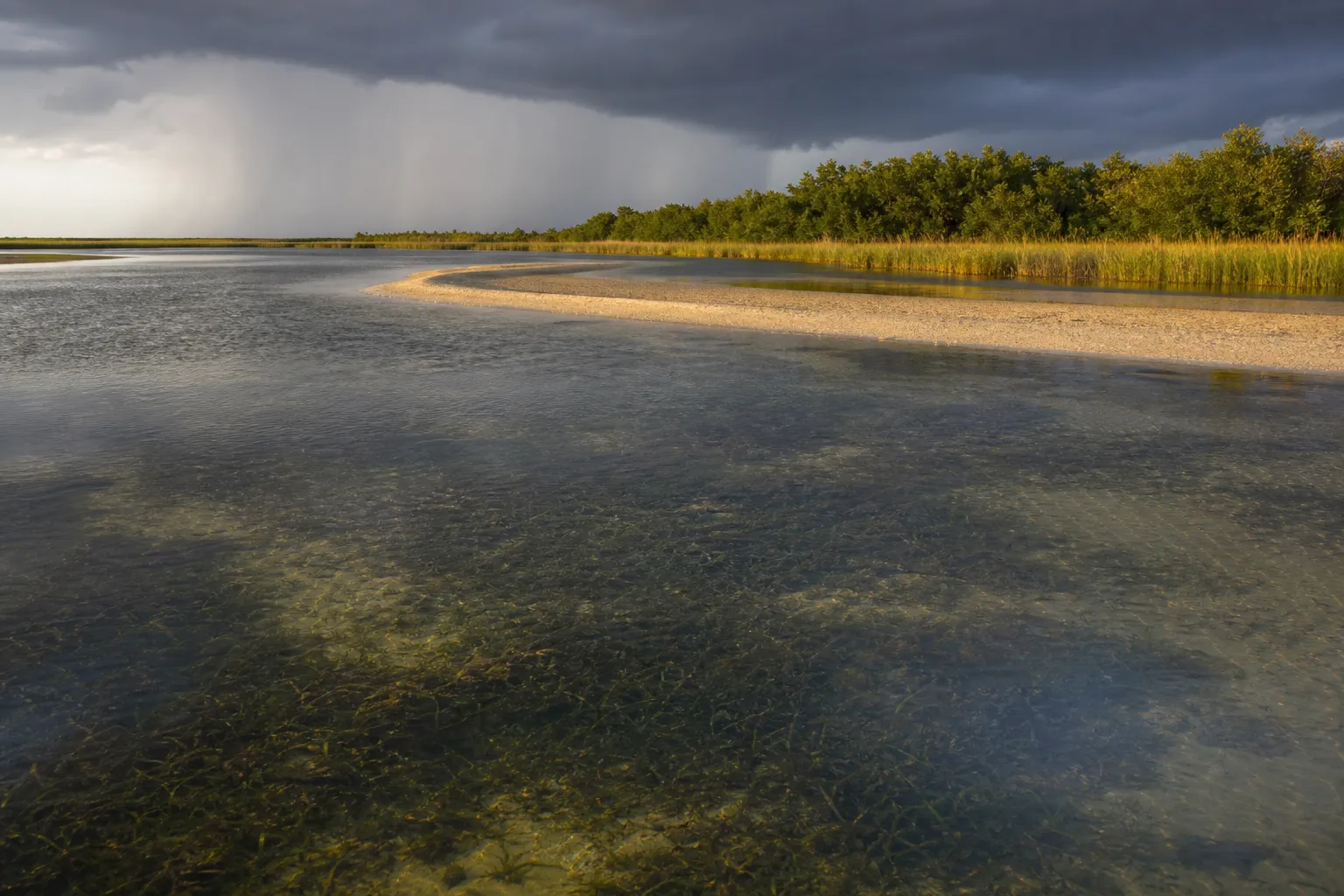
Start with the water, not the spec sheet. In Southwest Florida your first jet ski — a personal watercraft, or PWC, whatever the badge says — will live in one of three worlds: the calm canals and bays (Cape Coral, Bonita, the Imperial River), the open Gulf on good days, or the backcountry of Estero Bay and the mangrove country south. Calm-water riders can buy almost anything and be thrilled. Gulf riders want hull length and dry storage. Backcountry explorers want stability and range. Decide which rider you are and half the lineup eliminates itself.
This guide is the process: what it really costs, new versus used, the showroom visit, and the first week. The machine-by-machine detail — segments, engines, braking systems, who makes what — lives in the PWC buyer’s guide, and there is no sense in reading it twice.
The three tiers, honestly
| Tier | What it is | Who it’s for |
|---|---|---|
| Rec-Lite (Sea-Doo Spark class) | Light, playful, most affordable | First-timers, families adding a second machine, canal riders |
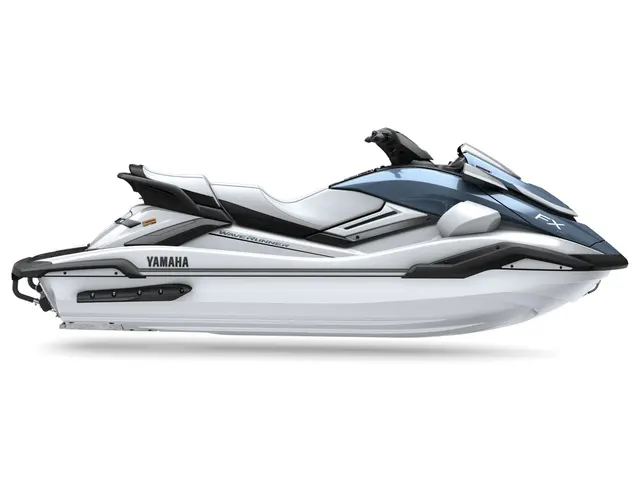
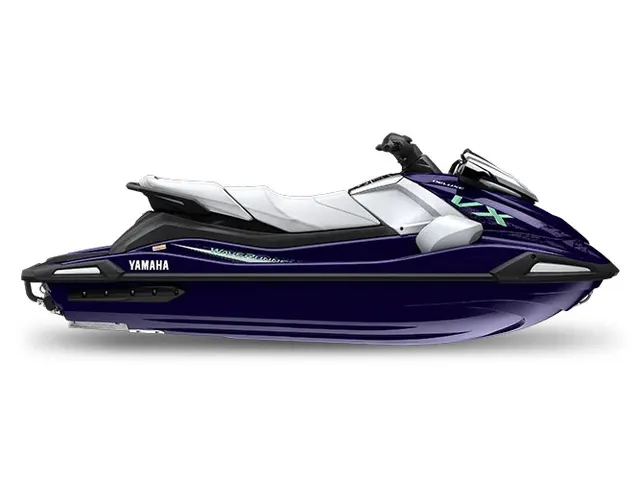
| Recreation (GTI / VX class) | The do-everything middle — stable, comfortable, room for two | Most first buyers in SWFL land here |
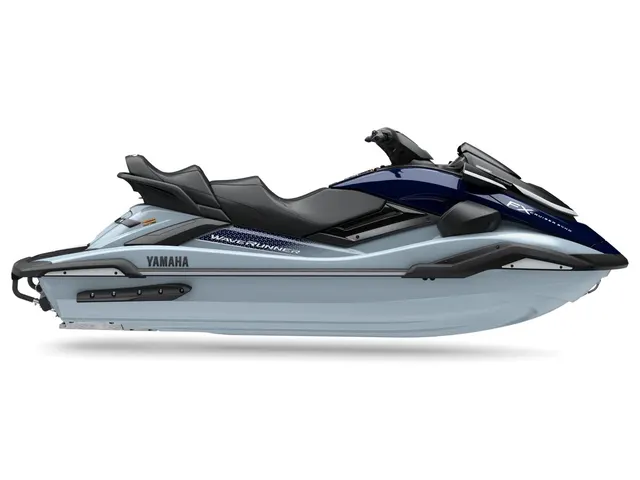
| Touring / Performance (GTX / GP class) | Bigger hulls, more power, real storage, tech packages | Gulf days, long rides, riders who know they’ll upgrade anyway |
The classic first-buyer mistake is buying the lightest machine for open water — the second-classic is buying 300 horsepower to idle through no-wake zones. Match the tier to the water; the trim options are details after that.
If you want the specific machines inside each tier, with prices and the case for each, that is the best personal watercraft for beginners.
What does a first jet ski actually cost?
The number on the hang tag is the biggest line in the budget, not the only one. As of September 2026, new machines on our floor are listed from $11,799 for a Rec-Lite hull to $22,949 for a loaded touring flagship, and most first buyers land in the $12,899 to $15,199 recreation band. Freight and prep are additional, and so is Florida tax, title, and registration.
Then the package around it:
- Trailer. If it is not going on a lift, it needs one. Single-PWC aluminum trailers list at $1,599 to $1,999 here.
- Life jackets for every rider, plus the rest of the state-required kit — the list is in our required safety equipment guide.
- A cover. Not optional in this sun — by mid-afternoon in August, an uncovered seat will cancel the ride for you.
- A flush kit and a hose fitting, which is the cheapest thing on this list and the one that decides how the machine ages.
- Registration and title through the county tax collector — fees are set by the state and county, and the process is in our registration and titling guide.
- Sales tax, which has its own rules for vessels in Florida; those are in the sales tax guide.
Plan on the extras adding meaningfully to the machine price. People who budget only for the sticker end up making the trailer decision badly, in a hurry, on a Saturday.
Should your first jet ski be new or used?
New wins more often here than it does in other parts of the country, and the reason is salt.
A used PWC’s history is mostly one question — was it flushed after every ride? — and that question is close to unanswerable from the outside. A machine that lived in Naples and got rinsed religiously can be a genuinely good buy. The identical machine, same hours, same year, that did not, is a corrosion project wearing a clean hull. You cannot tell by looking.
If you buy used anyway: buy one whose history you can trace, get a dealer to inspect it before money moves, and have the specific hull checked for open recall campaigns. A PWC carries a HIN rather than a VIN, and no recall campaigns were found for the current models we stock in the U.S. Coast Guard database as of September 2026 — but an older used machine is exactly the case where that check is worth doing properly.
If you buy new, the trade is money for a warranty, a known history, and a service record that starts with you.
Where you will ride, and what that means
Be honest about the answer, because it is the whole decision.
Canals, the Imperial River no-wake crawl, and protected water suit any tier. Estero Bay is fine on a calm morning on anything and gets genuinely tiring on a small hull by 2 p.m. Outside the passes, on a two-foot day, a Rec-Lite machine stops being fun in about twenty minutes. Length and weight are what buy a dry, composed ride, which is why the touring hulls exist and cost what they do.
Our guide to where to ride covers the areas, and the manatee zone and no-wake rules cover the parts of the map where the throttle is not the point.
The salt-water contract
Every machine sold within ten miles of the Gulf should come with this sentence taped to the seat: flush it after every salt or brackish ride. Two minutes on a hose fitting, engine running per your manual, then rinse the hull and trailer. Add a quarterly once-over of anodes and you’ve eliminated the majority of what our service bay sees. Salt isn’t a reason to avoid PWC ownership here — it’s just a habit that comes with it.
The full routine, including what to rinse around the pump and the brake gate, is in our salt-water maintenance guide.
Paperwork, quickly
A PWC is a vessel in Florida: it gets titled and registered at the county tax collector (Lee or Collier for most of our riders), and every rider wears a life jacket. There are also operator rules — a minimum age, and a boating-safety education card requirement that depends on the operator’s birth year — and they follow whoever is holding the bars, not the person who owns the machine. All of it is laid out in our license guide. Read that before you shop, not after.
The showroom visit
Come sit on them. Fifteen minutes of sitting on three tiers back to back settles more than a week of reading, for one specific reason: stability at rest is the thing that decides how a beginner feels about a machine, and it is invisible on a spec sheet.
Bring the people who will actually ride. A three-seat rating is a capacity, not a promise. Load a recreation hull with three adults and everyone starts voting for shore, and the showroom floor is a cheaper place to learn that than open water.
Ask three questions while you are there. What is the model year of this specific unit, and how does it differ from the current one? What is included on it — audio, tech package, debris clearing — since bundles vary by hull. And what does the out-the-door number look like with freight, prep, tax, title, and registration, which is the only number that matters.
If financing is part of the plan, work it out before you fall for a color; the basics are in powersports financing 101.
Rent first? Sometimes.
If you’ve never ridden, one rental hour answers the “do I actually like this?” question cheaply. But if you already know — most people do by the second time — rental money stops teaching you anything. Come sit on the tiers back to back at the showroom, ask what’s on promo, and do the math on the machine you’ll still want next spring. The live floor is below; each unit links straight to the store.
Your first week
Prices, promotions, and inventory change daily — every unit shown links to its live listing.
Live inventory and today's price across all three brands.
Quick answers
- What does a new jet ski cost in Southwest Florida?
- On the Power Lodge floor as of September 2026, new personal watercraft are listed from $11,799 for a Rec-Lite machine to $22,949 for a loaded touring flagship, before freight, prep, tax, title, and registration. Most first buyers land between $12,899 and $15,199.
- Is salt water bad for a jet ski?
- Salt is manageable with one habit: a freshwater engine flush and rinse after every brackish or salt ride. Skip it repeatedly and corrosion will find the cooling system, electrics, and finish.
- Do jet skis need to be registered in Florida?
- Yes — a PWC is a vessel. It must be titled and registered through your county tax collector, and it carries the same operator rules as any powered vessel.
- What else do I need to buy besides the jet ski?
- A trailer if you are not keeping it on a lift — single-PWC aluminum trailers list at $1,599 to $1,999 here — plus life jackets for every rider, the state-required safety equipment, a cover, and a flush kit. Budget the package rather than the sticker.
- Should I buy a new or used jet ski for my first one?
- New is the safer first purchase in salt water, because a used machine's flush history is unknowable and it is the thing that determines how the machine aged. If you buy used, buy one you can trace, and have a dealer inspect it before money changes hands.