Field Guide · The Boathouse
The Snowbird's Guide to Toys in Florida: Registering, Insuring, Storing, and Riding Part-Time
The state line is not what triggers Florida paperwork. Time on the water and the day you stop being a nonresident are.
By The Outpost CrewUpdated 6 min read
For most seasonal residents, the answer is: bring it, and change nothing. Florida gives an out-of-state boat a 90-day reciprocity window and exempts a properly registered nonresident’s vehicle from its registration requirement outright. What trips people up is not the drive down — it is the calendar and the word nonresident.
Two things move you from one column to the other. Time, in the case of a vessel that stays on the water past the reciprocity window. And residency, the day you take a Florida driver license or homestead the condo. Here is what each machine actually requires.
The boat: count the days, not the visits
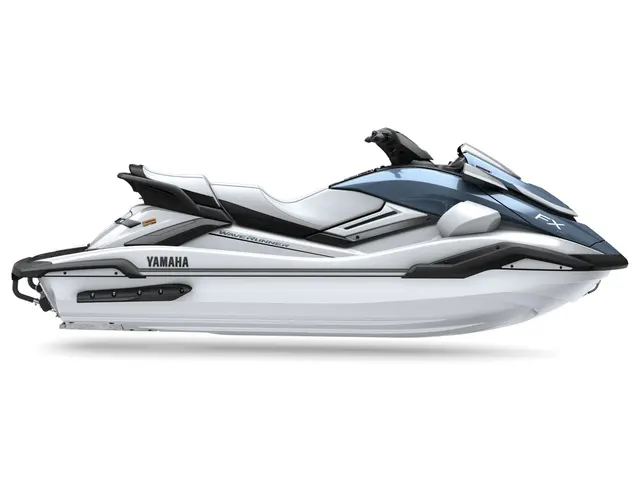
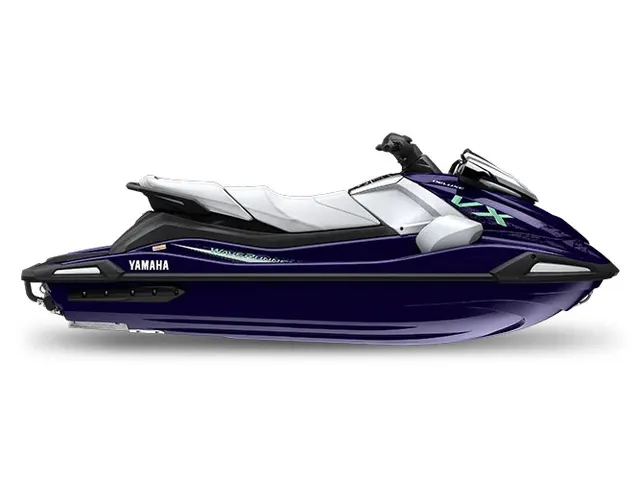
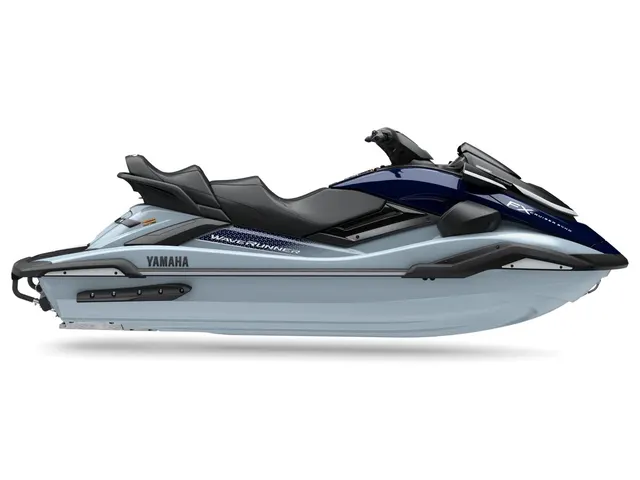
Ninety days is the number, and it is about the vessel being here rather than about how many times you used it. A boat that arrives in November and sits on a lift in Estero Bay until April has been “stored on the waters of this state” for far longer than the reciprocity period, whether or not the engine ever turned over.
Once the window closes, the paperwork runs through your county tax collector — Lee County for the Bonita Springs and Estero corridor, Collier for Naples and Marco. Florida separately requires vessels used or stored on its waters to be titled and registered, with an application deadline of 30 days under § 328.03, Fla. Stat. (2026). The mechanics, the fee classes, and the birth-month renewal cycle are on our Florida boat registration and titling guide.
The dry-storage question is separate from the water question, and the statute’s language covers storage as well as operation. If the plan is to keep the hull here year-round, assume you are registering it here and budget accordingly.
The bike, the truck, and the trailer
Section 320.37 is the friendliest statute a snowbird will meet. Keep your home-state registration current, keep the plate visible, and Florida’s registration chapter does not reach your motorcycle at all.
Four categories are carved out of that exemption, and one of them catches people:
- Vehicles operated for hire, including agricultural haulers.
- Vehicles owned by foreign corporations doing business in Florida.
- Commercial vehicles as defined in chapter 316.
- Recreational vehicles or mobile homes kept in Florida six or more consecutive months.
That last one is aimed at the motorhome in the driveway, not at the bike in the garage — but if your rig and your bike travel together, know which of the two the statute is looking at.
Your license is a separate question from your registration. Florida requires a motorcycle endorsement or a motorcycle-only license to operate a motorcycle here; an out-of-state license that authorizes motorcycle operation is what you are relying on, so make sure yours actually carries the endorsement before you ride to Marco.
The four-wheeler and the side-by-side
Off-highway vehicles run on their own chapter, and they are titled rather than plated. § 317.0006, Fla. Stat. (2026) reaches machines purchased by a Florida resident after July 1, 2002 and resident-owned machines operated on the state’s public lands — both prongs of the statute speak in terms of a vehicle “owned by a resident.”
The practical version: if you are still a nonresident and the machine only ever runs on your own property or a private club, the chapter’s trigger is not obvious on its face. The moment you want to ride it at Big Cypress, Croom, or an Ocala trail system, you are on public land and you need Florida paperwork. Our OHV title and registration guide walks the counter visit, and your county tax collector is the right place to take the edge case rather than a forum.
Your boating safety card probably travels
§ 327.395, Fla. Stat. (2026) applies to operators born on or after January 1, 1988 running a vessel of 10 horsepower or more. Its exemptions include a nonresident carrying proof of completing another state’s approved course, and a 90-day grace period after purchase with the bill of sale aboard.
So the Ohio card in your wallet is very likely enough. Bring the physical card, not a memory of the class — the requirement is to have it aboard. What the card is and how Florida’s version works is on our Florida boating safety card guide.
The day you become a resident
Every exemption above is written for a nonresident. When you take a Florida driver license, register to vote here, or claim a homestead exemption, you have changed which column you are in, and the vehicle registration, the vessel registration, and the OHV title all follow within the deadlines Florida sets for new residents.
This is the single most common way a seasonal owner ends up out of compliance: nothing about the machines changed, and the person changed. If you are making the move permanent, treat the registration errands as part of the move rather than as something to sort out next season.
Buying here and taking it home
Florida provides exemptions for certain nonresident purchasers who remove a vessel from the state within a defined window, with parallel rules on the vehicle side. The conditions and the day counts are specific enough that we are not printing them from memory — get them confirmed by the Department of Revenue or your tax professional before the sale, because the paperwork usually has to be done at the point of sale rather than afterwards. What you would otherwise pay is laid out in our Florida sales tax guide.
Storage: April to November is the hard part
Southwest Florida summers are worse on unused machines than northern winters are. Heat, humidity, and daily rain do things a cold garage does not: fuel goes off faster, batteries self-discharge harder, mildew finds every cushion, and hurricane season runs June 1 to November 30 across the exact months you are not here.
The workable version is indoor or covered dry storage, stabilized fuel, batteries on a tender or removed, a cover that breathes, and somebody local with a key. Add current photographs and your documents in the cloud before you fly north — the full routine is in our hurricane season prep guide.
Insurance, and what we can do
Ask your carrier one specific question rather than a general one: does this policy cover the machine while it is garaged and operated in Florida, and does it cover named-storm damage. Northern policies vary widely on both, and the answer is not something a dealership should be guessing at for you.
What the counter in Bonita Springs can genuinely take off your hands: title and registration work through the tax collector, seasonal storage and pre-season service scheduling, and having the machine ready the week you land rather than the week after. That is most of what part-time ownership actually costs you in time.
Laws current as of September 2026; verify with FWC/FLHSMV before you ride or launch. General information, not legal advice.
Service, storage prep, and paperwork in Bonita Springs — (239) 799-2229.
Quick answers
- How long can I keep an out-of-state boat in Florida without registering it?
- Section 328.58 provides a 90-day reciprocity period for a vessel validly numbered in another state. Past that, the owner must record the number with FLHSMV before continuing to operate, use, or store the vessel on Florida waters.
- Do I have to register my motorcycle in Florida if I live here part of the year?
- Not while you remain a nonresident. Section 320.37 exempts a motor vehicle owned by a nonresident who has complied with the registration law of their home state and displays that registration number. The exemption is written for nonresidents, so it stops applying when you become a Florida resident.
- Do I need a Florida boating safety card as a seasonal resident?
- Often not. Section 327.395(6) exempts a nonresident who carries proof of completing another state's approved boating safety course. Florida's own requirement reaches operators born on or after January 1, 1988, on vessels of 10 horsepower or more.
- Should I leave my boat in Florida over the summer?
- Only with a plan for it. June 1 through November 30 is hurricane season, and an unattended boat is the one nobody strips and straps. Dry storage inland, a local eye on it, and current photographs in the cloud are the minimum.
- Do I have to title my ATV in Florida if I only bring it down for the winter?
- Chapter 317 reaches an off-highway vehicle owned by a Florida resident that is operated on the state's public lands. If you remain a nonresident and ride only on private property, the trigger is not obvious — ask your county tax collector rather than guessing.