Head-to-Head · The Boathouse
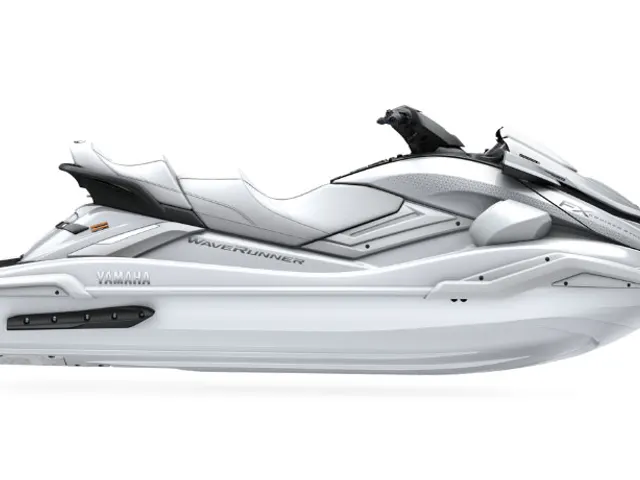
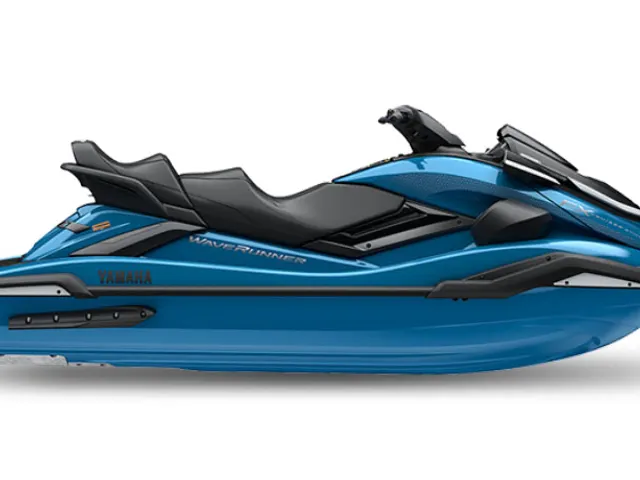
Sea-Doo GTX 230 vs Yamaha FX Cruiser SVHO: Which Touring Machine for the Gulf?
They arrive at the same top speed from opposite directions and $3,450 apart. Almost nobody should decide this on horsepower.
By The Outpost CrewUpdated 8 min read
How this review was built: from Sea-Doo's published specs, professional road tests, owner reports, and what the Power Lodge crew sees on the showroom floor and in the service bay — not a first-hand test ride. Prices are MSRP unless the live listing below says otherwise.How we review →
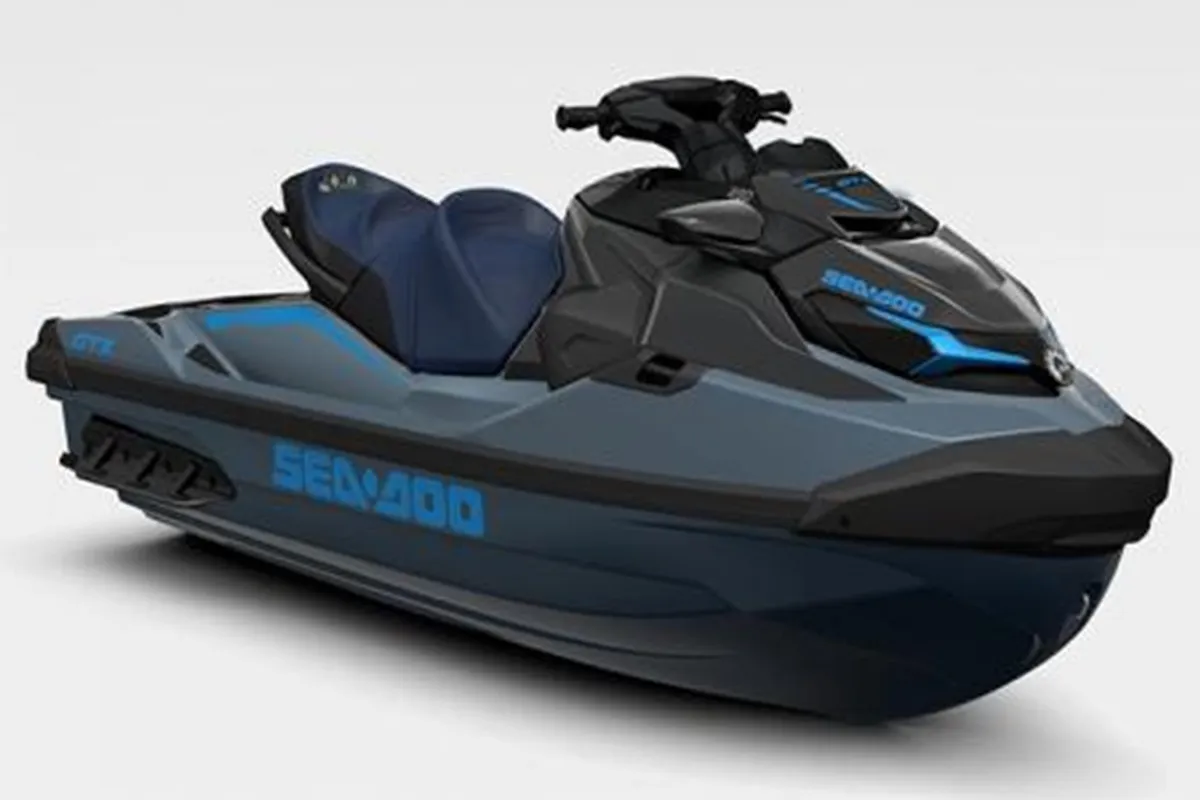
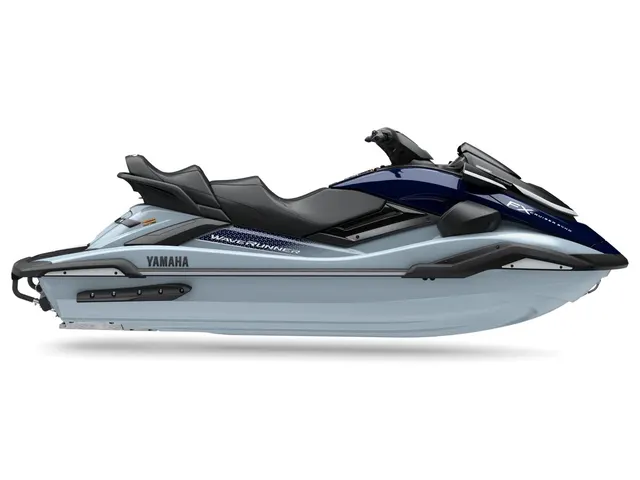
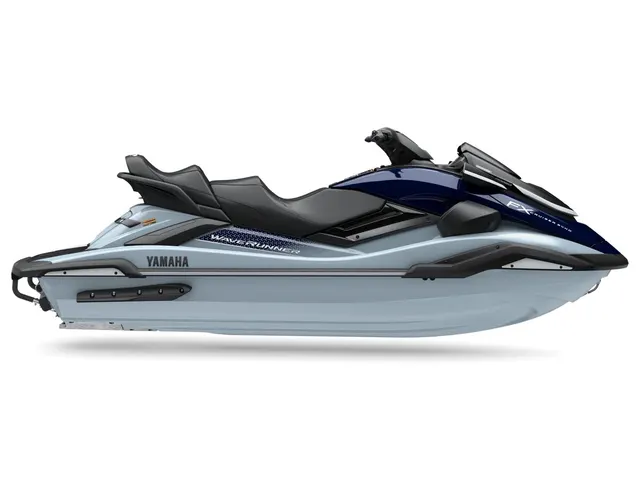
Two supercharged touring machines, both stocked in Bonita Springs, both limited to about 67 mph, $3,450 apart as listed. The 2026 Sea-Doo® GTX 230 is the better buy for most people who ask this question. The 2026 Yamaha FX Cruiser SVHO is the better machine for a specific and real kind of Southwest Florida owner: the one whose Saturday runs four hours, carries three people and a cooler, and spends time outside the passes.
The reason the decision is not about speed is that speed is not on offer. Sea-Doo publishes 230 horsepower; Yamaha publishes nothing and jetdrift estimates about 250. Both machines arrive at the same industry-standard 67-mph ceiling, and Boating recorded 68 mph testing the mechanically identical Yamaha FX Limited SVHO. What separates them is 18.4 gallons of storage, about 118 pounds of dry weight, five inches of hull, two very different screens, and the money.
Both are covered in full on their own: the Sea-Doo GTX 230 review and the Yamaha FX Cruiser SVHO review. This page is the decision.
The short version
- Same top speed. About 67 mph each. Nobody wins this and nobody should shop on it.
- Storage is the real gap. 44.5 gallons on the Yamaha against 26.1 on the Sea-Doo — an 18.4-gallon spread that amounts to most of what you would pack for a full day.
- Weight and length favor the Yamaha in chop. 948 pounds dry and 11 feet 9 inches against about 830 pounds dry and 135.8 inches. Both figures are manufacturer dry weights.
- Money favors the Sea-Doo. $18,149 against $21,599 as listed in September 2026.
- Tech splits. Sea-Doo brings the bigger screen at 10.25 inches, plus iBR braking and iDF debris clearing. Yamaha brings a 7-inch Connext screen with GPS mapping, tilt steering, and automatic electric trim.
| 2026 Sea-Doo GTX 230 | 2026 Yamaha FX Cruiser SVHO | |
|---|---|---|
| Engine | Rotax 1630 ACE, three-cylinder, supercharged | 1,812cc SVHO, four-cylinder, supercharged and intercooled |
| Horsepower | 230 hp, published by Sea-Doo | Not published by Yamaha; about 250 hp estimated by jetdrift |
| Hull | ST3, fiberglass | FX luxury platform |
| Length × width | 135.8 in × 49.2 in | 11 ft 9 in × 4 ft 1 in |
| Dry weight (manufacturer figure) | About 830 lb | 948 lb |
| Seating | 3 riders | 3 riders |
| Fuel capacity | 18.5 gal | 18.5 gal |
| Storage | 26.1 gal | 44.5 gal |
| Reverse and braking | iBR braking and reverse | RiDE dual-throttle reverse and deceleration |
| Pump protection | iDF debris-clearing system | Not offered |
| Display | 10.25-inch touchscreen | Connext 7-inch touchscreen with GPS mapping |
| Steering | Fixed | Tilt-adjustable |
| Trim | Variable trim | Electric trim with automatic modes |
| Top speed | About 67 mph, limited (jetdrift 2024 chart) | About 67 mph, limited; Boating clocked 68 on the FX Limited SVHO |
| Listed at Power Lodge, September 2026 | $18,149 (12 units, 2026 model year) | $21,599 (5 units, 2026 model year) |
| MSRP, 2027 model year (OEM sites, September 2026) | From $19,149 | From $22,399 |
Source: Sea-Doo GTX and Yamaha FX Cruiser SVHO spec pages (2027 listings; the in-stock 2026 units are the same hulls and engines). Specs and pricing are the manufacturer's published figures and can change by model year.
Both dry weights above come from the manufacturers and exclude fuel, battery, and anything you put in the hatch. Neither is a ready-to-ride figure, and the two are only comparable to each other because they are measured the same way.
Engine: two roads to the same ceiling
Sea-Doo’s supercharged 1,630cc Rotax ACE at 230 horsepower and Yamaha’s supercharged, intercooled 1,812cc SVHO are not built to the same brief. The Rotax is the middle rung of a three-step ladder — 170 naturally aspirated, 230 boosted, 325 boosted harder — and 230 is the setting where the GTX stops asking the engine for favors. The SVHO is the top of Yamaha’s range with nothing above it, tuned for a heavier hull.
That difference shows up in one number: 118 pounds of dry weight, which the Yamaha has to move with an engine it does not put a horsepower figure on. Both machines get on plane loaded without drama. The Sea-Doo feels quicker to respond because it is lighter and shorter; the Yamaha feels stronger because it has more displacement pushing more boat.
Neither one is cheap to feed. jetdrift’s testing of Yamaha’s supercharged engine measured over 20 gallons per hour at wide-open throttle, and both machines carry the same 18.5-gallon tank. On a supercharged PWC, range is a throttle decision rather than a spec. Both also add a supercharger to the list of things that get serviced, on the schedule in the owner’s manual for the specific hull — and on both brands, higher-octane fuel is the usual practice rather than a claim we will make for you.
Ride and handling: five inches and 118 pounds
The Yamaha FX Cruiser SVHO is the better rough-water machine, and the reason is boring: it is longer and heavier. At 11 feet 9 inches it bridges chop the shorter hull drops into, and 948 pounds dry settles rather than skips. On an afternoon when Estero Bay has been building since lunch, that is a different quality of ride, not a marginally better one.
The Sea-Doo GTX 230 is not the compromise that makes it sound like. The ST3 hull is 135.8 inches of fiberglass built for exactly this water, and at about 830 pounds dry it is only heavy next to the FX. What you gain in exchange is a machine that turns more willingly and is easier to handle everywhere the water is not trying to hurt you — the Imperial River crawl, a crowded sandbar, the last 30 feet to the trailer.
That last point deserves its own sentence, because it is the one people discover after purchase rather than before. One hundred and eighteen pounds is the difference between a machine two adults can shove around a launch and a machine that decides where it is going. Neither of these is a solo-launch PWC on a bad ramp, but the Yamaha is more emphatically not one. The trailering and launching guide covers the setup that makes either of them manageable.
Control systems split by philosophy. Sea-Doo’s iBR is a genuine brake on its own lever, and iDF backs seagrass out of the pump while you stay in the seat — which, on this coast, is not a gimmick. Yamaha’s RiDE puts reverse and deceleration on the left lever — the control that earns its keep at every courtesy dock a 948-pound hull visits. The Yamaha counters iDF with nothing, and there is no polite way to write around it: in the grass flats behind Estero Island, a fouled intake on the Yamaha means shutting down and getting in the water.
Comfort, storage, and tech: where the money went
Storage is the headline and it is not close. The Yamaha holds 44.5 gallons; the Sea-Doo holds 26.1. That is the gap between packing a soft cooler, an anchor, a tow rope, dry bags, and lunch, and packing most of that and strapping the rest to the deck. Anyone stepping up from a recreation machine should also know the GTX’s number is lower than the cheaper Sea-Doo GTI line’s 40.3 gallons, which is the most counterintuitive spec in this segment.
Screens go the other way, sort of. Sea-Doo’s 10.25-inch touchscreen is the largest in the class and is what the GTX cabin is built around. Yamaha’s 7-inch Connext display is smaller but adds GPS mapping, which is a different feature rather than a lesser one — useful on a run south you have not made before. Boating’s test of the FX Limited SVHO flagged screen brightness in direct sun and the way the speakers are integrated, and both complaints are worth taking to the floor on a bright day rather than resolving on a spec sheet.
Two Yamaha features do not appear on the Sea-Doo at all and should not be skipped past. Tilt steering lets a tall rider stand upright and a shorter one sit without reaching, which over four hours stops being a preference. Electric trim with automatic modes holds the bow where it belongs as the load and the chop change, instead of asking you to manage it.
Boating’s test of the mechanically identical FX Limited SVHO praised how easily the big hull moves through hard maneuvers for its size — the quote and the full test context are in our FX Cruiser SVHO review.
Seating is three on both, and on both that is a real rating rather than a technicality. The Yamaha’s tiered Cruiser seat is the more comfortable place to spend the afternoon; the Sea-Doo’s flat swim platform with LinQ attachment points is the better place to put a cooler and get back aboard.
Price and ownership: the comparison nobody makes
Here is the part that usually goes unsaid. These two are not price rivals. On the Power Lodge floor in September 2026, the Sea-Doo GTX 230 is $18,149 as listed and the Yamaha FX Cruiser SVHO is $21,599 as listed — a $3,450 spread, both 2026 model year. Each machine has a closer opponent than the other one.
The Sea-Doo GTX 230’s true price rival is the Yamaha FX HO with Audio at $17,799 as listed: the same 44.5-gallon FX hull with the naturally aspirated 1,898cc engine and no supercharger to feed. That is the actual $18,000 question — supercharged Sea-Doo or naturally aspirated Yamaha with 18 more gallons of storage.
The Yamaha FX Cruiser SVHO’s true price rival is the Sea-Doo GTX Limited 325 at $22,549 to $22,949 as listed, which answers with 325 published horsepower and the 10.25-inch screen while giving up the same 18.4 gallons of storage.
Read across those four machines and the shape of the market is clear: Sea-Doo sells output and screen for the money, Yamaha sells hull and volume. Depth on the floor tells a similar story — 12 GTX 230s against five FX Cruiser SVHOs, which is leverage on color and delivery rather than a verdict on either machine.
Running costs are close to identical. Same 18.5-gallon tank, same supercharger service item, same non-negotiable Southwest Florida habit: flush after every salt or brackish ride, rinse everything, per our salt-water maintenance guide. Neither model turned up in the U.S. Coast Guard recall database as of September 2026, based on a spot-check of uscgboating.org’s recall listing; that database’s manufacturer filter is unreliable, so have the dealer run the specific hull’s HIN before delivery. Freight, prep, and Florida tax, title, and registration are additional on both.
Which one for which rider?
| You ride… | Buy |
|---|---|
| Two-up, bays and passes, home by noon | Sea-Doo GTX 230 |
| Long days, three people, cooler and gear aboard | Yamaha FX Cruiser SVHO |
| Grass flats and mangrove backwater | Sea-Doo GTX 230, for iDF |
| Outside the passes when it is honestly rough | Yamaha FX Cruiser SVHO |
| And you are tall, or share the machine with someone who is not | Yamaha FX Cruiser SVHO, for tilt steering |
| Tubing and towing with kids | Either; the Sea-Doo saves $3,450 for the same job |
| And you are counting every dollar of the purchase | Sea-Doo GTX 230 |
The honest summary for the biggest group of buyers: if you are cross-shopping these two, you are probably choosing between more storage and more money, and the number of Saturdays you actually pack for is the tiebreaker. Most people overestimate it. If the answer is “a few times a season,” take the Sea-Doo and put the difference in fuel.
Still narrowing the class down? The PWC buyer’s guide works through all six segments, and where to ride in Southwest Florida is the water both of these machines were bought for.
Power Lodge Florida stocks 12 GTX 230s and five FX Cruiser SVHOs — live inventory and today's price.
Quick answers
- Sea-Doo GTX 230 or Yamaha FX Cruiser SVHO?
- Take the GTX 230 if the money matters and your riding is bays, passes, and two-up Saturdays — it is $3,450 less as listed. Take the FX Cruiser SVHO if you ride long, loaded, and outside the passes, where 44.5 gallons of storage and a longer hull change the day.
- Which is faster, the Sea-Doo GTX 230 or the Yamaha FX Cruiser SVHO?
- Neither, in any way you will notice. Both are limited to about 67 mph, per jetdrift's charts. Boating clocked 68 mph on the mechanically identical Yamaha FX Limited SVHO. Above roughly 230 horsepower, extra output buys acceleration under load, not a bigger number.
- How much more is the Yamaha FX Cruiser SVHO than the Sea-Doo GTX 230?
- $3,450 as listed on the Power Lodge floor in September 2026 — $21,599 against $18,149, both 2026 model year. That gap is close to the price of a single-PWC trailer, a cover, and a season of fuel.
- Which has more storage, the Sea-Doo GTX or the Yamaha FX?
- The Yamaha, by a wide margin: 44.5 gallons against 26.1 on the GTX. That is the single largest spec difference between these two machines and the one most buyers underrate on the showroom floor.
- Which one is better in rough water?
- The Yamaha FX Cruiser SVHO, on length and weight — 11 feet 9 inches and 948 pounds dry against 135.8 inches and about 830 pounds dry. The Sea-Doo ST3 hull is genuinely good in chop; the FX is simply longer and heavier, and that is what stays flat.
- Does the Sea-Doo GTX 230 have a brake?
- Yes. Sea-Doo's iBR gives it a true braking and reverse lever. Yamaha's RiDE system uses a dual-throttle layout for reverse and deceleration. Both slow the machine from the seat; the Sea-Doo also adds iDF, which backs seagrass out of the pump without anyone getting in the water.