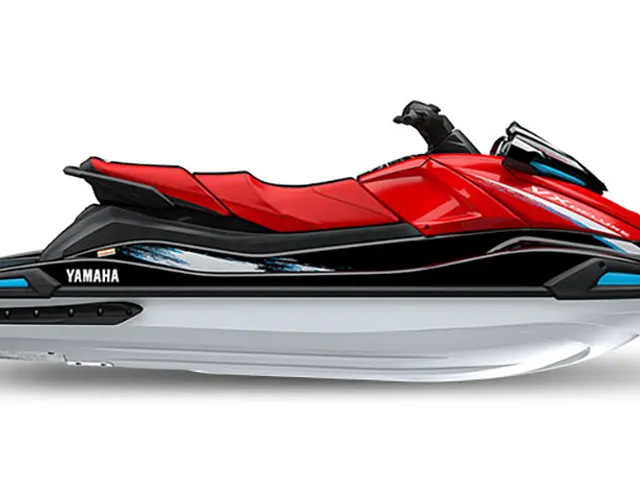
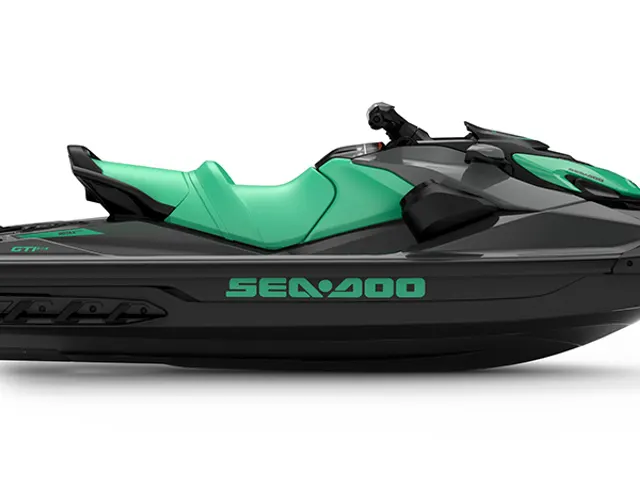
Head-to-Head · The Boathouse
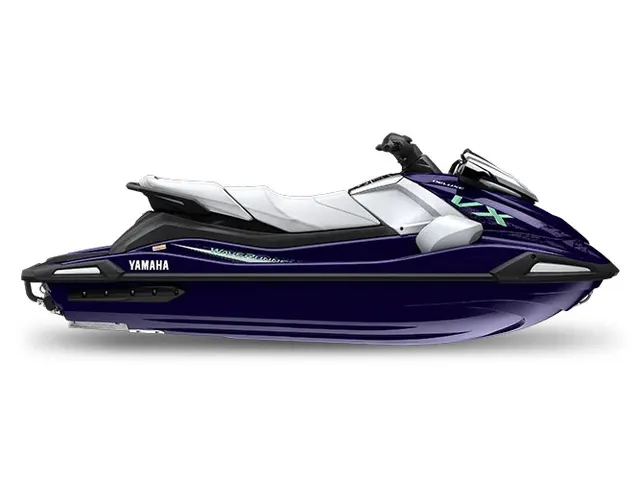
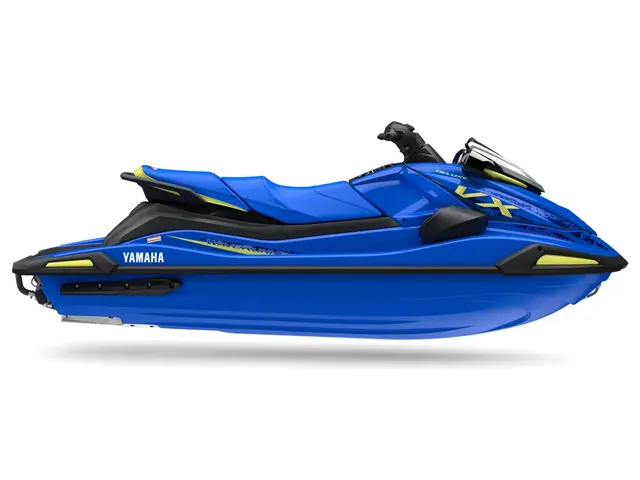
Yamaha VX Deluxe vs Sea-Doo GTI SE 130: The Recreation PWC Showdown
Two three-seat recreation machines, a thousand dollars apart, within a mile an hour of each other. The tiebreakers are storage, debris, and what you plan to spend over five years.
By The Outpost CrewUpdated 7 min read
How this review was built: from Yamaha's published specs, professional road tests, owner reports, and what the Power Lodge crew sees on the showroom floor and in the service bay — not a first-hand test ride. Prices are MSRP unless the live listing below says otherwise.How we review →
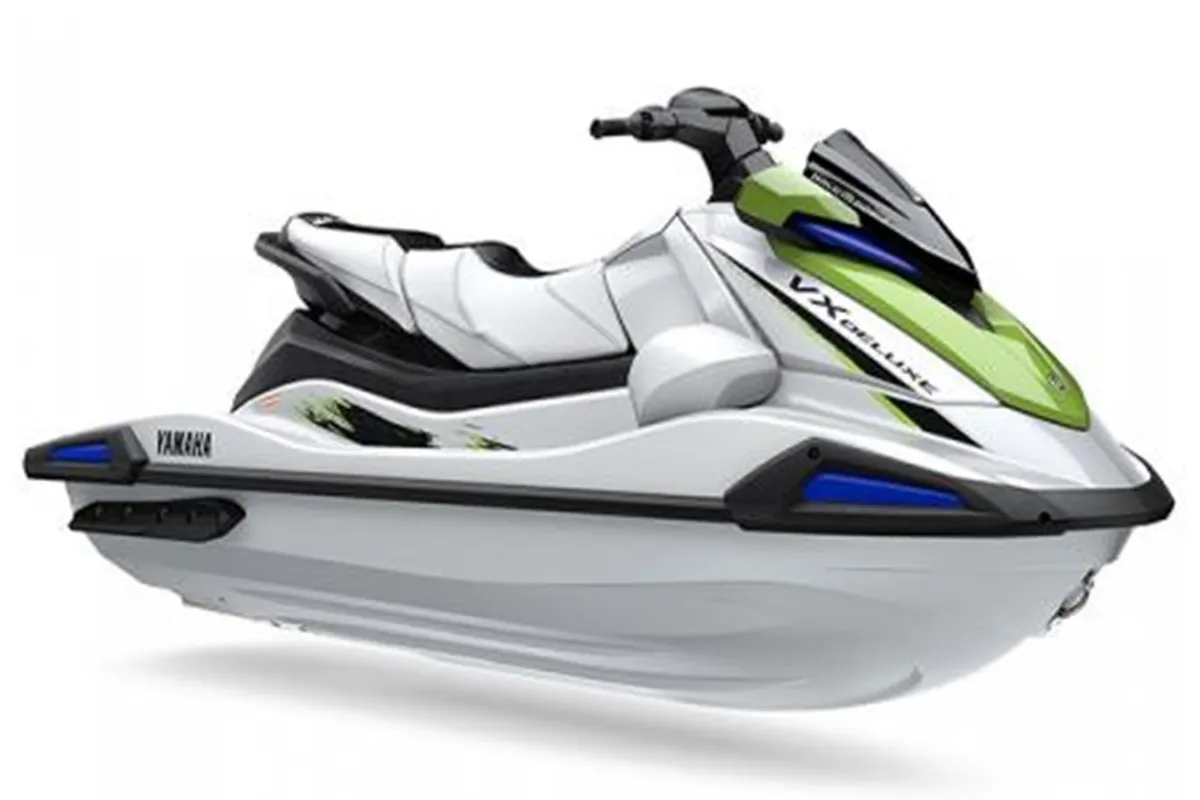
If you are standing on a dealership floor trying to decide between a 2026 Yamaha VX Deluxe and a 2026 Sea-Doo GTI SE 130, here is the answer before the details: buy the Yamaha if price and running cost lead your list, and buy the Sea-Doo if storage, factory audio, and the iDF debris system are worth about a thousand dollars to you. They are the same size, the same seating, and within a mile an hour of each other.
This is the most common cross-shop in our building, and it is not close to a mismatch. Both are three-seat, naturally aspirated recreation personal watercraft (PWC) built for exactly the water most Southwest Florida families ride — bays, canals, rivers, and the Gulf on a good morning.
What follows is where they actually diverge.
The short version
- Price: Yamaha VX Deluxe, $12,899 MSRP for the in-stock 2025–26 model year and $12,899–13,499 as listed. Sea-Doo GTI SE 130, $14,099 as listed with the Tech Package, audio, iDF, and iBR.
- Speed: a wash. About 53 mph for the Yamaha, about 52 for the Sea-Doo, per jetdrift’s charts.
- Storage: Sea-Doo wins big — 40.3 gallons against 30.1.
- Seagrass: Sea-Doo only. iDF clears the pump from the seat; the Yamaha has no equivalent.
- Depth of choice: 19 VX Deluxe units on the floor against six GTI SE 130s as of September 2026.
| Spec | 2026 Yamaha VX Deluxe | 2026 Sea-Doo GTI SE 130 |
|---|---|---|
| Engine | 1,049cc TR-1 HO, three-cylinder, naturally aspirated | Rotax 1630 ACE, three-cylinder, naturally aspirated |
| Horsepower | Not published by Yamaha; about 125 hp estimated by jetdrift | 130 hp, published by Sea-Doo |
| Top speed | About 53 mph (jetdrift chart) | About 52 mph (jetdrift chart) |
| Length × width | 132.0 in × 48.0 in | 130.7 in × 49.2 in |
| Dry weight | 769 lb | 741 lb |
| Seating | 3 riders | 3 riders |
| Fuel capacity | 18.5 gal | 18.5 gal |
| Storage | 30.1 gal | 40.3 gal |
| Braking and reverse | RiDE dual-throttle reverse and deceleration | iBR — Intelligent Brake and Reverse |
| Debris clearing | Not offered | iDF — Intelligent Debris-Free system |
| Display | Connext 4.3-inch touchscreen | 4.5-inch display; Tech Package upgrades it |
| Factory audio | Not at this trim | Included on the units in stock |
| Listed at Power Lodge, September 2026 | $12,899–13,499 (19 units) | $14,099 (6 units) |
| MSRP, 2027 model year | $14,799 (Yamaha site) | From $13,499 plus freight, base — without the in-stock bundle (Sea-Doo site) |
Source: yamahawaverunners.com; Sea-Doo figures from sea-doo.brp.com (see sources). Specs and pricing are the manufacturer's published figures and can change by model year.
Engine: 1,049cc against 1,630cc, and why it does not matter much
On paper this looks lopsided. The Sea-Doo runs a 1,630cc Rotax 1630 ACE making a published 130 horsepower. The Yamaha runs a 1,049cc TR-1 HO triple that Yamaha declines to rate at all, and that jetdrift estimates at about 125.
In the water it is a draw. Roughly 53 mph plays roughly 52. Both are naturally aspirated, so both deliver power in the linear, unintimidating way that makes a recreation machine appropriate for a nervous first-timer — no supercharged shove, no wear item hiding under the seat.
The interesting difference is philosophy. Yamaha reaches its number with a smaller, simpler engine, and the VX family’s reputation has been built for years on low fuel consumption and boring reliability. Sea-Doo reaches a nearly identical number with a bigger engine in a lower state of tune, which is the same block it supercharges to 230 and 325 horsepower elsewhere in the range. Neither approach is wrong. If you are the sort of owner who reads fuel numbers, that argument favors the Yamaha; if you are the sort who likes knowing the engine is loafing, it favors the Sea-Doo.
One practical note: Yamaha’s refusal to publish horsepower makes cross-shopping harder than it should be, and every comparison you read — including this one — is using a third party’s estimate for the Yamaha and the manufacturer’s own figure for the Sea-Doo. Weigh them accordingly.
Ride and handling: nearly the same box, different feel
The dimensions are close enough to be startling. The Yamaha is 132.0 inches long and 48.0 wide; the Sea-Doo is 130.7 by 49.2. The Sea-Doo is 28 pounds lighter dry.
That lighter, slightly wider hull gives the GTI SE 130 a playful character — reviewers covering this platform have consistently described it as light and family-friendly, and jetdrift’s coverage of the GTI line calls the recreation Sea-Doo the most popular model in its class for exactly those reasons. The Yamaha’s extra weight reads as a touch more settled at speed.
Both are recreation-class hulls, which means both have the same honest limit: a real two-foot Gulf chop will beat you up on either one. That is not a knock on either machine, it is the segment. Riders who spend most of their time outside the passes belong on a touring hull like the Sea-Doo GTX 170 or a Yamaha FX, and the PWC buyer’s guide lays out where those lines start.
The braking systems deserve a plain explanation, since they are the feature new riders ask about most. RiDE (Yamaha) and iBR (Sea-Doo) do the same job: a left-hand lever that reverses at the dock and decelerates at speed, so you slow down without letting go of the bars. Neither is a car brake. Sea-Doo brought braking to the category first and iBR is usually judged the more polished of the two, but the meaningful comparison is against a machine with no brake at all — both of these are on the right side of that line.
Comfort, storage, and tech: the Sea-Doo’s section
This is where the money goes.
Storage. 40.3 gallons on the Sea-Doo against 30.1 on the Yamaha. Ten gallons is a cooler, or a second dry bag, or the difference between the anchor living in the bow and living in the footwell. For a family that packs for the day, it is the most useful spec on this page.
Audio. Every GTI SE 130 in stock here is listed with factory audio. The VX Deluxe does not have it at this trim — Yamaha puts speakers on the VX Cruiser with Audio, at $14,599 as listed, which is $500 more than the Sea-Doo rather than less. If music matters to you, the comparison shifts before it starts.
iDF. The Intelligent Debris-Free system reverses the impeller to clear seagrass, weed, or rope out of the pump while you sit there. Southwest Florida is grass-flat country, and every shallow launch on a windy week has weed floating in it. The Yamaha’s answer to a clogged intake is to shut it down and get in the water. This is a small feature that solves a genuinely local problem, and it is the one item on the Sea-Doo’s list we would actually pay for.
Screens. The Yamaha’s Connext 4.3-inch touchscreen against the Sea-Doo’s 4.5-inch display, upgraded by the Tech Package the in-stock units carry. Sea-Doo does not itemize the package contents on the model page, so confirm what is on the specific hull instead of assuming.
The Yamaha’s counter is its watertight glovebox with USB and 12V power — the place your phone survives the day — and a straightforward layout with less to learn.
Seats. Both are rated for three riders, and both ratings deserve the same asterisk: three adults on a 130-inch hull is a short, damp trip rather than an afternoon. Two adults and a child is what either machine does comfortably all day. If three grown people ride together most weekends, neither of these is your machine, and the honest recommendation is to step up to a touring hull rather than to argue about which recreation machine handles it better.
One more spec that decides more days than horsepower does: both hold 18.5 gallons of fuel. With naturally aspirated engines at either end, that tank is good for a genuinely long day on either machine — which is exactly the thing a supercharged machine at the same price point would take away from you.
Price and ownership
The Yamaha VX Deluxe carries an MSRP of $12,899 for the in-stock 2025–26 model year, and Power Lodge lists 19 of them from $12,899 to $13,499 as of September 2026. The Sea-Doo GTI SE 130 lists at $14,099 with its Tech Package, audio, iDF, and iBR bundle, with six on the floor.
Compare those fairly. The Sea-Doo’s number includes equipment the Yamaha does not have at this trim, so the true gap is smaller than $1,200 if audio is on your list, and larger if it is not. Freight, prep, and Florida tax, title, and registration are on top of both.
Model-year context, since both manufacturers have rolled forward: Yamaha’s site lists the 2027 VX Deluxe at $14,799 — with factory audio newly standard, which the in-stock trim does not have — and Sea-Doo’s lists the 2027 GTI SE 130 from $13,499 plus freight in base form. That 2027 Sea-Doo number sitting below the $14,099 on our floor is not a price cut: the 2026 units here carry the Tech Package, audio, iDF, and iBR bundle, and the base 2027 machine does not.
Ownership costs are close to identical. Both are naturally aspirated, both hold 18.5 gallons, and neither has a supercharger to service. Both need the same non-negotiable Southwest Florida habit — flush after every salt or brackish ride, per our salt-water maintenance guide. No recall campaigns were found for either model in the U.S. Coast Guard database as of September 2026; have the dealer check the specific hull’s HIN at purchase.
The tiebreaker nobody lists on a spec sheet: 19 units against six. Depth means color and model-year choice on the Yamaha side, and it is a real advantage when you want a specific combination rather than whatever is left.
Which one for which rider
Take the Yamaha VX Deluxe if you are buying your first machine, the budget is the boundary, and the riding is bays, canals, and the occasional calm Gulf morning. It is the lowest-cost path to a full-size three-seat hull that a family will not outgrow in a season, and the full review explains why 19 of them are sitting here.
Take the Sea-Doo GTI SE 130 if you pack for the whole day, you want music without stepping up a trim, or you ride grass flats where iDF earns its name. Storage and debris-clearing are the two things you cannot add later. And if the Sea-Doo wins but you are eyeing the same machine with more engine, GTI SE 130 vs 170 settles whether the step up is worth it.
Take neither if three adults ride together regularly or you are outside the passes most weekends — you want a touring hull, and the beginner picks guide shows where the sensible step up starts.
Live inventory and today's price on all 25 recreation machines.
Quick answers
- Which is better, a Yamaha VX Deluxe or a Sea-Doo GTI SE 130?
- Neither wins outright. The 2026 Yamaha VX Deluxe is the value and running-cost pick at $12,899 MSRP for the in-stock model year. The 2026 Sea-Doo GTI SE 130 costs about a thousand more as listed and answers with 10 extra gallons of storage, factory audio, and the iDF debris-clearing pump.
- Is the Sea-Doo GTI SE 130 faster than the Yamaha VX Deluxe?
- No, and the difference is inside the margin of error. jetdrift's charts put the VX Deluxe at about 53 mph and the GTI SE 130 at about 52. Nobody will pick a winner from the seat.
- Which has more storage, the VX Deluxe or the GTI SE 130?
- The Sea-Doo, by a wide margin: 40.3 gallons against the Yamaha's 30.1, per each manufacturer's spec page. That is the single largest spec difference between the two machines.
- What is the difference between RiDE and iBR?
- Both put reverse and deceleration on a left-hand lever so you never let go of the bars. RiDE is Yamaha's version, iBR is Sea-Doo's. Sea-Doo has offered braking longer, and iBR is generally considered the more refined system, but a new rider adapts to either in an afternoon.
- Which is cheaper to own, a Yamaha VX Deluxe or a Sea-Doo GTI SE 130?
- Both are naturally aspirated three-seat machines with 18.5-gallon tanks and no supercharger, so running costs are close. The Yamaha starts lower — $12,899 MSRP for the in-stock model year against $14,099 as listed for the loaded Sea-Doo.